How to Transplant Alnus pendula?
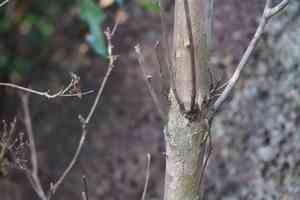
Alnus pendula flourishes when relocated during the intermediate seasons of early to late spring or early winter, since these periods provide ideal soil hydration and warmth. Select a brightly illuminated spot protected from harsh midday sunlight.
What Preparations are Needed Before Transplanting Alnus Pendula?
What is the Ideal Time for Transplanting Alnus Pendula?
For alnus pendula, the best period for relocation is from early to late spring or early winter. Moving alnus pendula during these times allows the plant to establish its root system prior to harsh weather. This timing maximizes root development, boosts overall plant vitality, and improves survival rates, leading to a flourishing garden.
How Much Space Should You Leave Between Alnus Pendula Plants?
When relocating alnus pendula, ensure each plant is spaced 15-20 feet (4.5-6 meters) apart to facilitate optimal development. This spacing will provide sufficient room for roots and branches to spread, guaranteeing the healthiest growth for your plants.
What is the Best Soil Mix for Alnus Pendula Transplanting?
For alnus pendula, prepare a well-draining soil mixture enriched with organic compost. This plant thrives in soil that is moderately acidic to slightly alkaline (pH 5.5-7.0). Before transplanting, incorporate a balanced base fertilizer, such as a 10-10-10 (NPK) ratio, to provide your plant with a nutrient boost.
Where Should You Relocate Your Alnus Pendula?
Select a site for alnus pendula that receives full sun to partial shade, as this plant requires ample sunlight for vigorous growth. Ideally, aim for a location with at least 6 hours of direct sunlight daily to ensure your plant thrives.
What Equipments Should You Prepare Before Transplantation Alnus Pendula?
Gardening Gloves
To safeguard your hands while handling soil and the plant.
Shovel or Spade
For excavating around and lifting the alnus pendula from its initial spot.
Trowel
To assist in loosening soil and maneuvering around the root system.
Watering Can
To hydrate the alnus pendula before and after its relocation.
Wheelbarrow
To move the alnus pendula, especially if it is large or heavy.
Mulch
To aid in retaining moisture around the newly transplanted alnus pendula.
Stakes and Ties
To support the alnus pendula until it settles into its new location.
How Do You Remove Alnus Pendula from the Soil?
How Do You Remove Alnus Pendula from the Soil?
From Ground: First, moisten the alnus pendula's soil. Then, dig a wide trench around the plant with a shovel or spade, keeping the root ball intact. Carefully work the spade beneath the root ball to lift the plant from its original position.From Pot: Gently water the alnus pendula a few hours before moving it to help loosen the roots. Hold the base of the alnus pendula and carefully invert the pot, tapping the bottom to release the plant. If the roots are tightly coiled, gently untangle them with your fingers.From Seedling Tray: Water the seedlings to facilitate removal. Use a trowel or spoon to carefully lift each alnus pendula seedling from the tray, striving to keep as much soil around the roots as possible.
Step-by-Step Guide for Transplanting Alnus Pendula
Site Preparation
Prepare the new planting area by digging a hole twice the width of the alnus pendula's root ball and deep enough so the plant sits at the same level as it did previously.
Amend Soil
Incorporate an appropriate amount of compost or organic matter into the soil removed from the hole.
Planting
Position the alnus pendula in the center of the hole, ensuring it is upright and at the correct depth. Backfill the hole with the amended soil, gently pressing down to remove air pockets.
Watering
After placing the alnus pendula, water thoroughly to settle the soil around the roots and ensure the plant is well-hydrated.
Mulching
Apply a 2-3 inch layer of mulch around the base of the alnus pendula, being careful not to cover the stem. Mulch will help retain moisture and suppress weeds.
Support
If necessary, use stakes and ties to support the alnus pendula until its roots become stable in the new location.
How Do You Care For Alnus Pendula After Transplanting?
Watering
Keep the soil around the alnus pendula consistently damp, but not waterlogged, for the initial weeks after transplanting to aid in establishing strong roots.
Monitoring
Regularly check the alnus pendula for indications of transplant shock, such as wilting foliage. Adjust care as needed to ensure the plant adapts well to its new surroundings.
Protection
If relocating during a particularly hot or windy period, provide some temporary shade or wind protection for the alnus pendula until it becomes well-established.
Fertilizing
After a few weeks, once the alnus pendula shows signs of new growth, you can begin a light fertilizer regimen to encourage robust development. Be careful not to over-fertilize.
Troubleshooting Common Issues with Alnus Pendula Transplantation.
What's the best time to transplant alnus pendula?
Early spring to late spring and early winter are ideal seasons for relocating alnus pendula.
How much space does alnus pendula need when transplanting?
Alnus pendula should be spaced 15-20 feet (4.5-6 meters) apart for optimal growth.
How to prepare the soil for alnus pendula transplanting?
Ensure well-draining soil, enriched with organic compost for better root establishment.
What to do if alnus pendula shows signs of transplant shock?
Water consistently, provide shade, and reduce wind exposure to help alnus pendula recover from transplant shock.
How deep should the hole be for alnus pendula planting?
Dig a hole twice as wide and as deep as the root ball, approximately 24 inches (60 cm) deep.
How to water alnus pendula after transplanting?
Water thoroughly immediately after transplanting and maintain moisture consistently, avoiding waterlogging.
Are there specific temperature conditions for transplanting alnus pendula?
Avoid extreme heat; mild temperatures during early spring or early winter are ideal.
Can mulch benefit alnus pendula after transplanting?
Yes, applying 2-3 inches (5-7.5 cm) of mulch helps retain soil moisture and keeps roots cool.
What should you do if alnus pendula roots are bound?
Gently loosen the root ball with your fingers to encourage outward growth in the new location.
How to protect alnus pendula from pests after transplanting?
Regularly inspect for pests and use organic treatments if necessary to ensure healthy growth.



