How to Prune Alnus pendula?
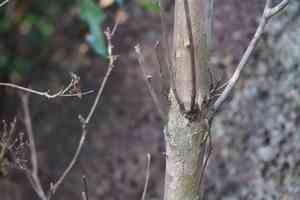
Alnus pendula possesses unique characteristics and necessitates trimming to preserve its form and strength. The most suitable periods for pruning are during late winter or the beginning of spring. Initially, eliminate any deceased or ailing branches, then proceed to thin out dense sections to enhance air movement. This fosters robust development and diminishes problems with pests. Consistent trimming cultivates a more resilient framework and a more attractive look, contributing to the plant's general well-being and vigor.
What Are the Benefits of Pruning Alnus Pendula?
What Are the Benefits of Pruning Alnus Pendula?
Consistent trimming of alnus pendula promotes vigorous development and maintains its form. By eliminating lifeless or crowded limbs, gardeners can foster robust growth and prevent pest infestations. Pruning also guarantees adequate air circulation and enhances overall appearance.
What Is the Best Time for Pruning Alnus Pendula?
What Is the Best Time for Pruning Alnus Pendula?
Trimming during late winter or early spring is optimal for alnus pendula as it is typically dormant, which lowers the chance of disease and pest issues. This timing also allows the plant to recover quickly and direct energy into new growth as the season begins. Pruning at this time helps shape the plant, remove any damaged or diseased branches, and stimulate healthy new growth without disrupting its flowering or fruiting processes.
What Tools Do I Need to Prune Alnus Pendula?
Bypass Pruners
Bypass pruners are perfect for making clean cuts on living branches, which is crucial for preserving the health of alnus pendula.
Loppers
Loppers are essential for cutting through thicker branches that bypass pruners cannot manage. They offer leverage and precision.
Pruning Saw
A pruning saw is advised for larger branches that are too big for loppers. It helps ensure smooth cuts without harming the plant.
Pole Pruner
This implement is vital for safely reaching higher branches without needing a ladder, preventing potential damage to alnus pendula.
Hedge Shears
Hedge shears are useful for shaping and trimming, which helps manage canopy density and encourages healthy growth patterns in alnus pendula.
How to Prune Alnus Pendula
Assessment
Examine alnus pendula thoroughly to identify dead and diseased branches. Look for indications of decay, discoloration, or damage.
Sanitation
Sterilize pruning tools with a solution of one part bleach to nine parts water to prevent disease spread.
Removal dead branches
Using sharp, sterilized pruners, cut dead branches back to the live, healthy wood or the main trunk. Ensure clean cuts to facilitate healing.
Removal diseased branches
Prune diseased branches at least 6-12 inches beyond the visible signs of disease. Dispose of the diseased material properly to prevent contamination.
Inspection
Reassess the plant to ensure all targeted trimming is complete and look for any additional necessary cuts. Monitor for disease resurgence and repeat pruning if needed.
Common Pruning Mistakes with Alnus Pendula
Over-pruning
Removing too many branches or too much foliage at once can stress alnus pendula and inhibit its growth.
Incorrect Cuts
Making improper cuts, such as leaving stubs or cutting too close to the main stem, can lead to infections or poor healing.
Timing
Pruning at the wrong time of year can disrupt the growing cycle and reduce flowering.
Using Dull Tools
Blunt pruning tools can cause ragged cuts, which heal poorly and increase the risk of disease.
Common Pruning Tips for Alnus Pendula
Sharp Tools
Always use sharp, clean tools to make precise cuts and reduce the risk of disease transmission.
Gradual Pruning
Prune in stages rather than all at once, removing no more than 25% of the plant's foliage in a single session to avoid shock.
Proper Cuts
Make clean cuts just above a bud or at the branch collar to promote healthy regrowth.
Inspect for Disease
Regularly inspect alnus pendula for signs of disease or pests and remove any affected branches promptly to maintain overall plant health.
Sanitize Tools
Sanitize pruning tools between cuts to prevent the spread of any pathogens.



