How to Transplant Summergrass?
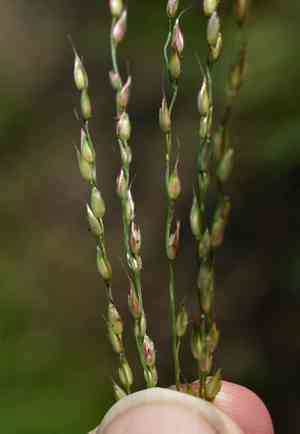
Summergrass flourishes when relocated between early and mid-spring, capitalizing on the prime cultivation environment of this season. To ensure robust development, select a brightly lit spot with soil that drains effectively.
What Preparations are Needed Before Transplanting Summergrass?
What is the Ideal Time for Transplanting Summergrass?
The best time to move summergrass is from the start of mild weather until it reaches its comfortable peak. This timing provides a good mix of warm soil and spring rain, essential for roots to take hold. Transplanting during this phase maximizes growth and reduces stress from harsh weather, ensuring strong development and readiness for summer's prime growth.
How Much Space Should You Leave Between Summergrass Plants?
For summergrass, aim to position plants roughly 12-18 inches (30-45 cm) apart. This provides ample room for growth without overcrowding and ensures adequate air circulation.
What is the Best Soil Mix for Summergrass Transplanting?
Before relocating summergrass, prepare soil that drains well and is rich in organic material. Incorporating compost or a balanced, slow-release fertilizer can supply the necessary nutrients for your plants to flourish.
Where Should You Relocate Your Summergrass?
Select a sunny location for transplanting summergrass. A minimum of 6-8 hours of direct sunlight daily is optimal for healthy growth and robust development.
What Equipments Should You Prepare Before Transplantation Summergrass?
Gardening Gloves
To safeguard your hands while handling soil and plants.
Hand Trowel
For excavating holes to transplant the summergrass and moving earth around.
Shovel or Spade
For extracting the summergrass from its initial spot, especially if it's in the ground.
Watering Can or Hose
To hydrate the summergrass before, during, and after its relocation.
Rooting Hormone (optional)
To stimulate root development.
How Do You Remove Summergrass from the Soil?
How Do You Remove Summergrass from the Soil?
From Ground: First, moisten the summergrass plant to dampen the soil. Then, dig a wide trench around the plant using a shovel or spade, ensuring the plant's root ball remains intact. Carefully work the spade under the root ball to lift the plant from its original location.From Pot: Water the summergrass thoroughly before removal. Gently tap the sides and bottom of the pot to loosen the soil. Carefully tilt the pot and slide the plant out, ensuring the root ball stays intact.From Seedling Tray: Water the seedlings. Use a hand trowel to gently lift each seedling, keeping as much soil around the roots as possible. Be careful not to damage the young roots.
Step-by-Step Guide for Transplanting Summergrass
Plant Preparation
Water the summergrass thoroughly a few hours before transplanting to ensure the roots are hydrated.
Hole Preparation
Dig a hole in the new location that is twice as wide and just as deep as the root ball of the summergrass.
Transplanting
Place the summergrass into the hole, making sure it is at the same depth as it was in its original location. Fill the hole with soil, gently pressing it down around the roots.
Watering
Water the summergrass immediately after planting to help settle the soil and remove air pockets around the roots.
How Do You Care For Summergrass After Transplanting?
Watering
Keep the soil around the summergrass consistently moist, but not soggy, for the first few weeks after transplanting to help establish strong roots.
Mulching
Apply a layer of mulch around the base of the summergrass to help retain soil moisture and regulate temperature.
Monitoring
Check the summergrass regularly for signs of transplant shock, such as wilting or yellowing leaves, and adjust care as needed.
Troubleshooting Common Issues with Summergrass Transplantation.
When is the best time to transplant summergrass?
The ideal time to transplant summergrass is from early spring to late spring.
How far apart should I space summergrass?
Space summergrass plants about 12-18 inches (30-45 cm) apart for optimal growth.
What type of soil is best for transplanting summergrass?
Summergrass prefers well-draining soil rich in organic matter for successful transplantation.
How much water does summergrass need after transplanting?
Water summergrass thoroughly immediately after transplanting, then keep the soil consistently moist but not waterlogged.
Should summergrass be in full sun or partial shade?
Summergrass thrives in full sun but can tolerate partial shade.
How do I prepare the transplanting site for summergrass?
Loosen the soil and mix in compost to prepare the transplanting site for summergrass.
What are common pests or diseases affecting summergrass post-transplant?
Summergrass may face aphids and fungal infections; proper watering and spacing help mitigate these issues.
Can I transplant summergrass during hot weather?
Transplanting during early to late spring is recommended; avoid hot weather to reduce plant stress.
How should I handle summergrass seedlings during transplanting?
Handle summergrass seedlings gently, keeping roots intact and minimizing disturbance to avoid shock.
What should I do if summergrass shows signs of transplant shock?
If summergrass shows transplant shock, ensure proper watering, relief from direct sun, and patience.



