How to Propagate Summergrass?
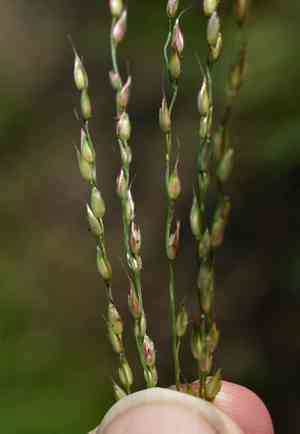
The most effective method for propagating Summergrass involves seeding. Optimal growth begins by placing seeds in adequately drained earth, ensuring consistently moderate humidity. To boost sprouting, gently layer soil over the seeds, which supplies essential darkness and preserves a touch of moisture. Diligent observation and regulation of soil hydration during the initial sprouting period are vital for robust development. After the young plants have taken root, they ought to be progressively introduced to outdoor conditions to fortify their hardiness prior to transplanting.
When Is the Optimal Time to Propagate Summergrass?
Propagation Method
Seeding
Propagation Period
Spring
What Equipment Is Utilized in Summergrass Propagation?
Seed trays
Seed trays are vital for consistent germination of summergrass. Their shallow compartments facilitate easy management of seed depth, ensuring the tiny summergrass seeds are not buried excessively deep and can receive sufficient light and warmth. The compartmentalization also prevents overcrowding and simplifies subsequent transplanting.
Fine vermiculite or perlite
Incorporating fine vermiculite or perlite into the seed starting mix enhances drainage and aeration, which is critical for the delicate roots of summergrass. This material also retains just enough moisture to prevent summergrass seeds from drying out, thereby boosting germination rates and providing seedlings with a strong start.
Misting bottle
A misting bottle offers a gentle method to water summergrass seeds without disturbing them. The fine mist ensures the soil is damp but not waterlogged, which is essential to prevent fungal diseases and ensure optimal seed germination and growth.
Heat mat
Placing a heat mat beneath the seed trays can significantly improve summergrass germination success by maintaining a consistent and appropriate temperature. This is particularly advantageous in cooler climates or during colder months, supporting quicker and more uniform seedling development.
Grow lights
If natural sunlight is insufficient, grow lights can supply the necessary light spectrum for summergrass germination and growth. Adequate lighting is crucial for preventing weak, leggy seedlings and ensuring vigorous growth, especially indoors or during periods of low light.
How to Propagate Summergrass?
Propagation Type
Simple
How to Care for Your Newly Propagated Summergrass?
How to Care for Your Newly Propagated Summergrass?
Post-propagation, ensure consistent watering of summergrass to maintain a moist, but not waterlogged, soil environment. Position in an area receiving full sun to partial shade. Monitor for pests and diseases, treating as needed to keep plants healthy. Lightly fertilize during the growing season to encourage robust development.
Common Errors to Avoid When Propagating Summergrass
Overwatering
Supplying too much water can lead to root rot and fungal problems, which hinder summergrass's ability to establish and thrive after propagation. This is especially problematic as summergrass requires well-drained soil to prevent waterlogging.
Too deep planting
Planting summergrass seeds or cuttings too deeply can prevent them from receiving adequate sunlight and air, impeding germination and growth. Correct depth is crucial for ensuring the successful sprouting of new summergrass plants.
Ignoring soil composition
Summergrass thrives in specific soil conditions. Using unsuitable soil types can alter the pH balance and nutrient availability, impeding summergrass's growth and development, which is vital for successful propagation.
Tips For Propagating Summergrass
Use healthy parent plants
Propagating from robust, disease-free parent plants ensures that the new summergrass plantlets will possess a strong genetic foundation, increasing the likelihood of successful growth and reproduction.
Provide optimal light
Ensuring sufficient sunlight is critical for summergrass propagation, especially during seed germination. Adequate light promotes healthy photosynthesis and growth, essential for young seedlings.
Monitor moisture levels
Maintaining balanced soil moisture is key for successful summergrass propagation. Ensure the soil remains consistently moist but not waterlogged to support healthy root development and prevent diseases.



