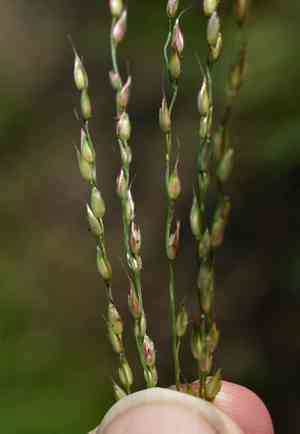
Summergrass (Alloteropsis cimicina)
Also known as: none
Summergrass stands out with its upright growth and coarse-textured leaves, making it easily recognizable. Its adaptation to savannah environments is bolstered by an efficient C4 photosynthesis mechanism, enabling it to flourish under intense sunlight and varying light conditions. Key characteristics include its deep root system for accessing water during dry spells, narrow leaves that minimize water loss, and small, spike-like flower clusters that aid in reproduction. These traits collectively enhance its ability to survive and thrive in the challenging, fluctuating conditions of savannah habitats.
In This Article
Attributes of Summergrass
Lifespan
Annual
Plant Type
Grass
Plant Height
1.5 m
Spread
N/A
Leaf Color
Green
Flower Size
10 cm to 15 cm
Flower Color
Green Brown
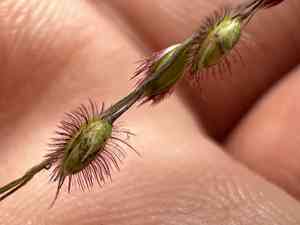
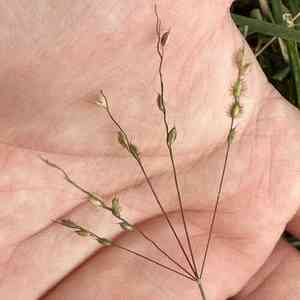
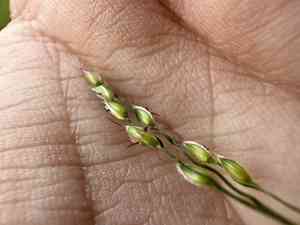
Images of Summergrass
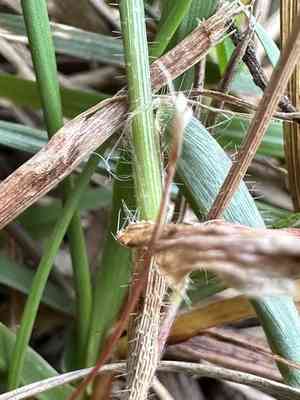
Quickly Identify Summergrass
1
This grass can be identified by its characteristic clump-forming growth, lanceolate leaves, and small, branching flower heads which may appear reddish or purplish.
Scientific Classification of Summergrass
Phylum
Vascular plants
Class
Monocotyledons
Order
Poales
Family
Grass
Genus
Alloteropsis
Species
Summergrass
Planting and Growing of Summergrass
Care Difficulty
Easy
Watering Schedule
Every 4 days
Sunlight Requirements
Partial sun
Sunshine Duration
4-6 hours
Ideal Temperature
65-77℉
Soil Type
Potting Mix, Peat Mix
Soil pH
5.5-7.5
Fertilizer Type
Balanced
Pruning Season
Spring, Summer
Pruning Area
Branches, Leaves
Pruning Frequency
2 times a year
Repotting Season
Spring
Pot Type
Plastic, Ceramic
 How to Water Summergrass?
When watering Alloteropsis cimicina, aim for around 250 ml of water each session. Ensure the water thoroughly moistens the soil without flooding it, supporting moisture balance. Too much water can lead to poor plant health, while too little won’t sustain its nutrient uptake.
What are the symptoms of an underwatered Summergrass?
›
What should I do if my Summergrass is not getting enough water?
›
What are the symptoms of an overwatered Summergrass?
›
How to save an overwatered Summergrass?
›
 What Are the Sunlight Requirements for Summergrass?
Alloteropsis cimicina thrives in partial sun, ideally with 3 to 6 hours of diffused sunlight. This balance supports photosynthesis and ensures sturdy growth and vibrant leaves.
What is the best lighting condition for Alloteropsis cimicina?
›
How can I ensure Alloteropsis cimicina gets ideal lighting?
›
What are the benefits of providing ideal lighting to Alloteropsis cimicina?
›
 What Is the Ideal Temperature Range for Summergrass?
The optimal temperature range for Alloteropsis cimicina falls between 65°F and 77°F. This range supports robust growth, allowing the plant to effectively photosynthesize, uptake nutrients, and thrive in its environment. Maintaining these temperatures will promote healthy foliage and vibrant blooms.
 What Soil is Best for Summergrass?
Alloteropsis cimicina thrives in soils that offer excellent drainage, preventing waterlogging and root rot. This attribute ensures healthy root development and allows the plant to access nutrients effectively. This plant benefits from soils rich in organic matter, which provide essential nutrients for growth. A nutrient-dense environment promotes lush foliage and robust structural development. Soil should maintain moderate moisture levels, neither too dry nor overly wet. Balanced moisture retains essential nutrients and supports consistent plant growth, avoiding stress from drought or overwatering.
 How to Fertilize Summergrass?
For Alloteropsis cimicina, the ideal fertilizer amount should be moderate. Use a balanced fertilizer with equal parts nitrogen, phosphorus, and potassium, applying at a rate of 1 gram per plant per month. Adjust the amount according to plant size and growing conditions to ensure optimal growth and avoid nutrient imbalances.
 How to Prune Summergrass?
Always use sterilized tools to prevent introducing pathogens to the Alloteropsis cimicina. Clean the blades with alcohol before starting and between different plants to ensure the plant stays healthy. When pruning, make sure to cut just above a leaf node, as this encourages new branches to form from the node and contributes to a denser growth pattern.
More About Pruning Techniques→
 How to Propagate Summergrass plant?
1
Start by collecting seeds from mature Alloteropsis cimicina plants. Allow them to dry thoroughly, as this ensures germination rates are better.
2
Sow the seeds in trays filled with seed starting mix. Lightly water the soil, ensuring it is consistently moist but not waterlogged until germination, which takes about two weeks.
3
Select a mature Alloteropsis cimicina plant during early summer. Carefully dig around the plant and use a garden fork to lift and separate it into smaller clumps for replanting.
 How to Repot Summergrass plant?
1
Repotting Alloteropsis cimicina is best done when you notice the roots beginning to encircle the pot, or the plant appears stunted. Spring and early summer are ideal as they coincide with the plant's active growth phase, ensuring a more successful recovery and establishment.
2
Opt for a pot one size larger than the current one, with an emphasis on drainage capability. Adequate drainage prevents waterlogging, which can lead to root rot. Materials like terracotta can provide additional aeration but remember to choose a heavier pot for better stability against strong winds.
3
The ideal soil for repotting Alloteropsis cimicina should be well-draining yet moisture-retentive. A sandy mix with some organic matter allows proper air circulation around the roots while keeping them hydrated. This balance is crucial for preventing root rot and ensuring robust growth.



