How to Transplant Dense false gilyflower?
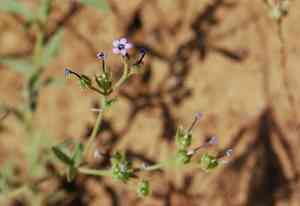
Relocate dense false gilyflower in the early, vibrant part of spring to achieve optimal outcomes. Select a bright location featuring soil that drains effectively. Protect the juvenile plants from strong air currents to facilitate a seamless adjustment.
What Preparations are Needed Before Transplanting Dense False Gilyflower?
What is the Ideal Time for Transplanting Dense False Gilyflower?
The best period for relocating dense false gilyflower, an annual, is from early to mid-spring. This timing enables dense false gilyflower to develop robust roots, leveraging the active growth season. Early spring provides cooler temperatures and increased moisture, fostering healthy development and maximizing flowering potential. Transplanting at this time ensures vigorous growth and abundant blooms.
How Much Space Should You Leave Between Dense False Gilyflower Plants?
When moving dense false gilyflower, aim to position them approximately 6-12 inches (15-30 cm) apart. This spacing will provide each plant ample room to grow and thrive while preventing overcrowding.
What is the Best Soil Mix for Dense False Gilyflower Transplanting?
For dense false gilyflower, prepare a soil mixture that drains well. Loamy soil enriched with an organic base fertilizer, such as compost or aged manure, is most effective. This ensures the plants receive the necessary nutrients.
Where Should You Relocate Your Dense False Gilyflower?
Dense false gilyflower flourishes in a spot that receives full sunlight. Select a garden area that gets at least 6-8 hours of direct sun daily to promote strong and healthy growth.
What Equipments Should You Prepare Before Transplantation Dense False Gilyflower?
Gardening Gloves
To safeguard your hands while handling soil and plants.
Shovel or Spade
Used for digging the planting hole and lifting the plant from its original spot.
Trowel
Useful for smaller digging tasks and transplanting.
Watering Can or Hose
To thoroughly hydrate the soil before and after the transplanting process.
Transplant Fertilizer
To stimulate root development and help the plant settle into its new location.
How Do You Remove Dense False Gilyflower from the Soil?
How Do You Remove Dense False Gilyflower from the Soil?
From Ground: First, water the dense false gilyflower plant to moisten the soil. Next, dig a wide trench around the plant using a shovel or spade, ensuring the plant's root ball remains intact. Carefully work the spade beneath the root ball to lift the plant from its initial position.From Pot: Water the dense false gilyflower plant thoroughly before removal. Gently invert the pot, supporting the plant with your hand, and tap the pot's bottom to loosen the root ball. Carefully slide the plant out, taking care not to harm the roots.From Seedling Tray: Water the seedlings well. Use a trowel or your fingers to gently lift each dense false gilyflower seedling from the tray, keeping as much soil around the roots as possible to prevent damage.
Step-by-Step Guide for Transplanting Dense False Gilyflower
Hole Preparation
Excavate a planting hole that is twice as wide and the same depth as the root ball of your dense false gilyflower. This allows the roots to spread easily in their new environment.
Soil Amendment
Combine the excavated soil with some compost or transplant fertilizer to create a nutrient-rich setting for the dense false gilyflower to thrive.
Planting
Position the dense false gilyflower in the hole, ensuring it sits at the same depth as it was in its previous location. Backfill around the root ball with the amended soil, gently firming it down to eliminate air pockets.
Watering
Water the plant thoroughly immediately after transplanting to help settle the soil and aid root establishment.
Mulching
Apply a layer of mulch around the base of the dense false gilyflower to help retain moisture and protect the roots. Keep the mulch a few inches away from the stem to prevent rot.
How Do You Care For Dense False Gilyflower After Transplanting?
Watering
Keep the soil around the dense false gilyflower consistently moist, but not waterlogged, for the initial few weeks post-transplant to aid in strong root development.
Support
If necessary, provide supports like stakes to help the dense false gilyflower remain upright and grow correctly. This is particularly important if the plant is tall or top-heavy.
Monitoring
Regularly inspect the dense false gilyflower for any indications of transplant shock, such as wilting or yellowing leaves, and take appropriate action if needed, such as adjusting watering practices or providing shade.
Troubleshooting Common Issues with Dense False Gilyflower Transplantation.
When is the ideal time to transplant dense false gilyflower?
Relocate dense false gilyflower from early spring to mid-spring for optimal outcomes.
How far apart should dense false gilyflower be spaced?
Space dense false gilyflower 6-12 inches (15-30 cm) apart to encourage healthy development.
What type of soil is preferred when transplanting dense false gilyflower?
Utilize well-draining soil rich in organic matter for planting dense false gilyflower.
How can I minimize transplant shock for dense false gilyflower?
Water dense false gilyflower thoroughly before and after transplanting to reduce shock.
Should I fertilize dense false gilyflower during transplanting?
Incorporate a slow-release fertilizer into the soil during transplanting for continuous nourishment.
How deep should I plant dense false gilyflower when transplanting?
Ensure dense false gilyflower is planted at the same depth it was growing in its original container.
What temperature is ideal for transplanting dense false gilyflower?
Transplant dense false gilyflower when daytime temperatures are between 60-70°F (15-21°C).
Is it necessary to harden off dense false gilyflower before transplanting?
Yes, acclimate dense false gilyflower by gradually exposing it to outdoor conditions over 7-10 days.
How often should I water dense false gilyflower after transplanting?
Water dense false gilyflower regularly to keep the soil consistently moist but not saturated.
What should I do if the leaves of dense false gilyflower wilt after transplanting?
Ensure dense false gilyflower is adequately watered and shielded from direct sunlight until it recovers.



