How to Propagate Dense false gilyflower?
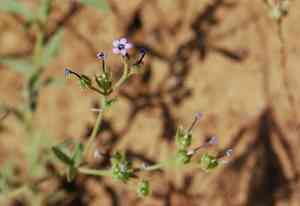
Dense false gilyflower flourishes when reproduced via the efficient and uncomplicated technique of seeding. For optimal results, utilize new seeds and embed them in a rich, well-aerated potting blend. Form shallow depressions in the medium, disperse the seeds, and gently cover them with substrate. Guarantee steady hydration and ample illumination, avoiding direct sunlight, to cultivate ideal sprouting and developmental circumstances for this plant.
Optimal Time for Dense False Gilyflower Propagation
Propagation Method
Seeding
Propagation Period
Spring
Tools for Dense False Gilyflower Propagation
Seed trays
Seed trays are utilized for initiating dense false gilyflower seeds within a controlled setting. These trays facilitate uniform seed spacing, which is vital for optimal development and root formation. Employing individual cells within the tray fosters healthier root systems by preventing tangling, especially crucial for delicate species like dense false gilyflower.
Humidity dome
A humidity dome fits over the seed tray to maintain elevated humidity levels, which are crucial for dense false gilyflower seed germination. The dome aids in creating a micro-environment that retains moisture and warmth, accelerating the germination process and boosting the germination rates of dense false gilyflower's seeds.
Seedling heat mat
This device provides consistent warmth from below, which is important for the germination of dense false gilyflower seeds. Many seeds, including those of dense false gilyflower, require heat for optimal germination. A heat mat ensures the soil temperature remains stable, particularly vital during colder months or in cooler climates.
Fine mist spray bottle
A spray bottle is employed to gently water the seeds without disturbing them. It ensures that the soil remains damp but not saturated, which is essential for the germination of dense false gilyflower. The fine mist distributes water evenly, adequately hydrating the seeds without causing erosion or displacement.
Nutrient-rich starting mix
Utilizing a high-quality seed starting mix supplies dense false gilyflower with the necessary nutrients and appropriate soil structure for seed germination and initial growth. The mix should drain well yet retain sufficient moisture, which supports the development of robust roots in seedlings of dense false gilyflower.
How to Propagate Dense False Gilyflower?
Propagation Difficulty
Simple
Post-Propagation Care for Dense False Gilyflower
Post-Propagation Care for Dense False Gilyflower
Following propagation, continue to care for dense false gilyflower by ensuring they receive adequate water and are kept in well-draining soil. Provide partial to full sunlight exposure based on the plant's adaptation to local conditions. Regularly check for pests or diseases and treat accordingly to maintain plant health. Gradual acclimatization to outdoor conditions is essential if started indoors.
Common Errors to Avoid When Propagating Dense False Gilyflower
Overwatering
Excessive watering can lead to root rot in dense false gilyflower, as its roots require well-draining soil to function properly. Too much moisture reduces oxygen availability, resulting in weak and unhealthy plants.
Poor soil selection
Using the incorrect type of soil, especially heavy, non-porous soils, can hinder the root development of dense false gilyflower. Poor soil drains inadequately and can retain too much moisture, negatively impacting root health.
Excessive sunlight
Dense false gilyflower prefers partial shade or filtered sunlight. Exposing it to direct, intense sunlight can cause leaf scorch and stress the plant, diminishing its growth and bloom potential.
Tips For Propagating Dense False Gilyflower
Using stem cuttings
Propagating dense false gilyflower from stem cuttings during active growth phases can be very effective. Ensure to use a sharp, clean cutting tool to prevent infection and promote better rooting.
Moisture control
Maintain consistent moisture levels when rooting dense false gilyflower cut glass in potting medium, but be cautious of overwatering. Use a well-draining potting mix to support healthy root growth.
Indirect lighting
Place dense false gilyflower in indirect lighting conditions to encourage rooting without risking leaf burn. Proper lighting is critical for the successful establishment and growth of new plants.



