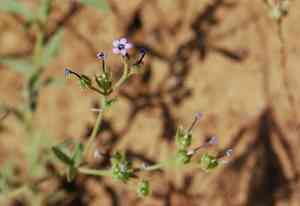
Dense false gilyflower (Allophyllum gilioides)
Also known as: Purple false gilia
The dense false gilyflower, or *Pseuderanthemum congestum*, is a perennial shrub recognized for its vibrant clusters of small flowers, typically in pink, purple, or white hues. Its foliage consists of glossy, dark green leaves. This plant is native to tropical regions, thriving in warm and humid conditions, often found along forest edges or clearings. It prefers well-drained soil and can adapt to both partial and full sunlight. Despite its delicate appearance, it is remarkably resilient and well-suited to its native tropical habitat.
In This Article
Attributes of Dense false gilyflower
Lifespan
Annual
Plant Type
Herb
Plant Height
15-30 cm
Spread
5-10 cm
Leaf Color
Green
Flower Size
1-2 cm
Flower Color
Purple, Blue
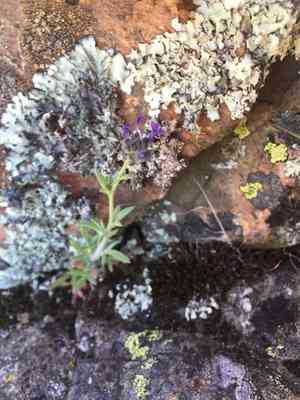
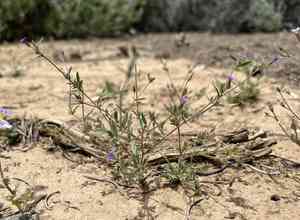
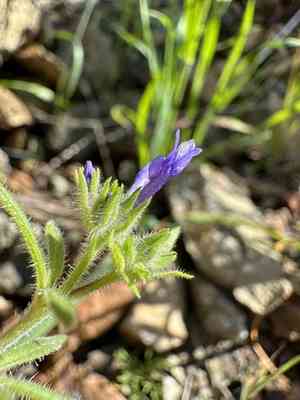
Images of Dense false gilyflower
Quickly Identify Dense false gilyflower
1
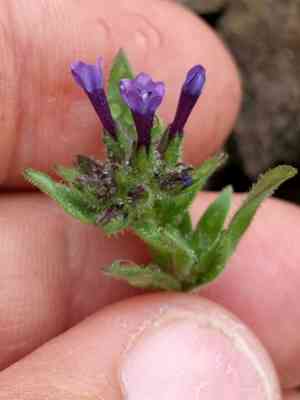
Identify Allophyllum gilioides by its delicate, thread-like leaves and its small, purple or blue flowers that bloom in clusters. The plant is typically less than a foot tall and has a fine, wispy appearance.
Scientific Classification of Dense false gilyflower
Phylum
Vascular plants
Class
Dicotyledons
Order
Ericales
Family
Phlox
Genus
False gilyflower
Species
Dense false gilyflower
Planting and Growing of Dense false gilyflower
Care Difficulty
Easy
Watering Schedule
Every 2 days
Sunlight Requirements
Partial sun
Sunshine Duration
4-8 hours
Ideal Temperature
60-75℉
Soil Type
Potting Mix, Peat Mix
Soil pH
6.5-7.5
Fertilizer Type
Balanced
Pruning Season
Spring, Summer
Pruning Area
Branches, Leaves
Pruning Frequency
2 times a year
Repotting Season
Spring
Pot Type
Plastic, Ceramic
 How to Water Dense false gilyflower?
For Allophyllum gilioides, the watering amount should be enough to moisten the top 2-3 inches of soil without waterlogging it. This ensures the roots receive adequate moisture without being submerged. Always allow excess water to drain to avoid root rot.
What are the symptoms of an underwatered Dense false gilyflower?
›
What should I do if my Dense false gilyflower is not getting enough water?
›
What are the symptoms of an overwatered Dense false gilyflower?
›
How to save an overwatered Dense false gilyflower?
›
 What Are the Sunlight Requirements for Dense false gilyflower?
Partial sun is ideal, which consists of morning direct sunlight followed by afternoon shade. This light condition promotes balanced growth, vibrant flowering, and helps avert the dangers of both overexposure and insufficient light.
How much sunlight does Allophyllum gilioides thrive on?
›
What are the solutions to achieving ideal sunlight for Allophyllum gilioides?
›
What are the effects of Allophyllum gilioides receiving ideal sunlight?
›
 What Is the Ideal Temperature Range for Dense false gilyflower?
The ideal temperature range for Allophyllum gilioides is between 60°F and 75°F. Within this range, the plant can efficiently photosynthesize, absorb nutrients, and sustain its growth. This range simulates the moderate temperatures of its native habitat, facilitating maximum growth potential and overall plant health.
 What Soil is Best for Dense false gilyflower?
Allophyllum gilioides thrives in well-drained soils, preventing root rot and promoting healthy growth. This requirement ensures that excess water is effectively removed, keeping the roots healthy and strong. A soil with moderate fertility is ideal for Allophyllum gilioides. It provides essential nutrients without overloading the plant, which can lead to overgrowth and associated issues, maintaining balanced plant health. The plant benefits from a balanced soil texture. Sandy loam offers the perfect mix of sand and clay, allowing for good air circulation and moisture retention. This balance promotes optimal conditions for seed germination and root expansion.
 How to Fertilize Dense false gilyflower?
For Allophyllum gilioides, a balanced 10-10-10 liquid fertilizer can be used. When applying liquid fertilizer, aim for a solution that is diluted to half-strength. Use approximately 1 teaspoon of fertilizer for every gallon of water. Mist the plant lightly to avoid over-saturation which can lead to nutrient burn. This ensures that the plant absorbs the nutrients efficiently without any risk of root damage.
 How to Prune Dense false gilyflower?
Begin by identifying dead or damaged stems and foliage, cutting them back to the base to promote healthy growth. Trim back any overgrown or leggy stems to maintain a compact and aesthetically pleasing shape. Use sharp, clean pruning shears for clean cuts, making sure to avoid tearing the plant tissue, which can lead to disease or stress.
More About Pruning Techniques→
 How to Propagate Dense false gilyflower plant?
1
Before sowing, soak the seeds of Allophyllum gilioides in water for 24 hours to break dormancy and enhance germination rates. This step increases the likelihood of successful propagation.
2
Sow the pre-soaked seeds evenly in seed trays filled with moistened potting mix. Cover them lightly with a thin layer of soil or vermiculite and ensure they maintain a consistent level of moisture.
3
Place the seed trays in a warm location with indirect sunlight, ideally with temperatures between 20-25°C. Maintaining a constant temperature and humidity is crucial for seed germination.
 How to Repot Dense false gilyflower plant?
1
Repotting Allophyllum gilioides is essential when you notice signs such as roots growing out of the drainage holes or soil compacted and not retaining moisture. Typically, spring or summer is the best season to provide new room for growth.
2
The ideal pot for Allophyllum gilioides should be slightly larger than the existing one, with good drainage holes. A ceramic or clay pot aids in moisture regulation and prevents root rot while providing stability.
3
Opt for a sandy, well-draining soil mix to provide the best environment for Allophyllum gilioides' roots to breathe. Such a soil mix prevents waterlogging, reducing the risk of root diseases and promoting healthy growth.



