How to Transplant Olympic onion?
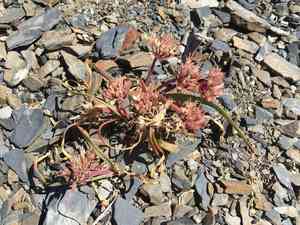
For a successful relocation of olympic onion, select the period from early to mid-spring when the plant is actively growing. Provide a bright, adequately drained spot to foster vigorous growth. Handling with care is crucial to reduce root disruption and guarantee proper settling.
What Preparations are Needed Before Transplanting Olympic Onion?
What is the Ideal Time for Transplanting Olympic Onion?
Olympic onion flourishes when moved in the early to mid-spring. This period offers prime soil moisture and temperature conditions, fostering strong root development prior to summer's heat. Relocating during this time boosts the plant's resilience, ensuring superior overall growth and yield throughout the growing season.
How Much Space Should You Leave Between Olympic Onion Plants?
Position each olympic onion approximately 6 inches (15 cm) apart. This spacing prevents overcrowding and guarantees proper air circulation.
What is the Best Soil Mix for Olympic Onion Transplanting?
Prepare soil that drains well, incorporating compost and organic material. A balanced fertilizer, such as 10-10-10, applied at the base can provide a beneficial nutrient boost for olympic onion.
Where Should You Relocate Your Olympic Onion?
Select a sunny location for olympic onion, ideally where they can receive at least 6 hours of direct sunlight daily. This promotes vigorous growth and health.
What Equipments Should You Prepare Before Transplantation Olympic Onion?
Gardening Gloves
To safeguard your hands while handling soil and plants.
Shovel or Spade
For excavating the new planting hole and extracting the plant from its initial spot.
Garden Fork
Useful for loosening the earth around the plant's root mass.
Watering Can or Hose
Crucial for hydrating the plant both before and after its relocation.
Garden Trowel
Helpful for planting smaller specimens and making precise adjustments.
Mulch
To aid in retaining soil moisture and inhibiting weed growth around the newly transplanted plant.
How Do You Remove Olympic Onion from the Soil?
How Do You Remove Olympic Onion from the Soil?
From Ground: First, moisten the olympic onion plant by watering the soil. Next, dig a wide trench around the plant using a shovel or spade, ensuring the plant's root ball remains intact. Carefully work the spade beneath the root ball to lift the plant from its original position.From Pot: Water the olympic onion plant thoroughly several hours before transplanting. Gently tap the pot's sides to loosen the soil, then carefully slide the plant out while supporting its base and root ball.From Seedling Tray: Water the olympic onion seedlings well before transplanting. Gently lift each seedling by its leaves or root ball using a garden trowel or fork, taking care not to harm the roots.
Step-by-Step Guide for Transplanting Olympic Onion
Prepare the New Site
Ensure the new planting location is ready by digging a hole twice the size of the plant's root ball. Make sure the hole is deep enough so that the top of the root ball will be level with the surrounding ground.
Remove the Plant
Following the methods outlined in the removal process, carefully lift the olympic onion plant from its original spot, ensuring the root ball remains whole.
Transfer the Plant
Place the olympic onion plant into the prepared hole at the same depth it was previously growing. Gently backfill the hole with soil, firming it around the root ball to eliminate air pockets.
Water the Plant
Thoroughly water the transplanted olympic onion, ensuring the soil is uniformly moist but not saturated.
Apply Mulch
Spread a 2-3 inch layer of mulch around the base of the olympic onion to help retain moisture and protect the roots.
How Do You Care For Olympic Onion After Transplanting?
Watering
Keep the soil around the olympic onion consistently damp, but not waterlogged, for the initial weeks post-transplant to aid in establishing strong roots.
Mulching
Reapply mulch as necessary to maintain a protective layer around the plant, which will help retain moisture and reduce weed growth.
Monitoring
Regularly inspect the olympic onion for indications of stress or pests, particularly during the first few weeks. Address any issues promptly to ensure a healthy establishment.
Troubleshooting Common Issues with Olympic Onion Transplantation.
When is the ideal time to transplant olympic onion?
The optimal period to transplant olympic onion is in early to mid-spring.
How far apart should olympic onion be spaced?
Olympic onion should be spaced approximately 6 inches (15 cm) apart for best growth.
What should I do if olympic onion appears to have stunted growth?
Ensure it receives sufficient sunlight and check soil drainage to prevent waterlogging.
How deep should the holes be for transplanting olympic onion?
Dig holes deep enough to cover the roots without completely burying the stems, about 4 inches (10 cm).
What type of soil is best for transplanting olympic onion?
Olympic onion thrives in well-draining, fertile soil rich in organic matter.
How often should olympic onion be watered after transplanting?
Water olympic onion moderately but consistently, ensuring the soil is moist but not waterlogged.
What should I do if olympic onion's leaves start yellowing after transplanting?
Check for overwatering or nutrient deficiencies, and adjust care accordingly.
How can I minimize transplant shock for olympic onion?
Transplant during the cooler part of the day and water immediately after transplanting.
Can I use fertilizer after transplanting olympic onion?
A balanced organic fertilizer can be beneficial, but avoid excessive fertilization which can harm the roots.
What to do if olympic onion is not establishing well after transplanting?
Make sure itâs getting enough sunlight, proper spacing, and well-draining soil conditions.



