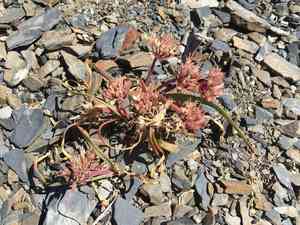
Olympic onion (Allium crenulatum)
Also known as: Rock Onion, Olympic Onion
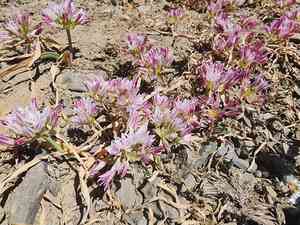
The Olympic onion, also known as Allium crenulatum, is a small perennial plant characterized by its narrow, grass-like leaves and a rounded cluster of star-shaped flowers ranging from pink to lavender, which sit atop a bare stem. This wildflower typically blooms from May to July, which is late spring to early summer.
Adapted to high-altitude environments, the Olympic onion thrives in well-drained, rocky soils found in alpine and subalpine meadows. Its bulbous roots are crucial for storing water and nutrients, allowing the plant to survive both the dry periods and the cold temperatures typical of its mountainous habitat.
In This Article
Attributes of Olympic onion
Lifespan
Perennial
Plant Height
8 cm to 20 cm
Spread
N/A
Leaf Color
Green
Flower Size
1-2 cm
Flower Color
Pink, Purple
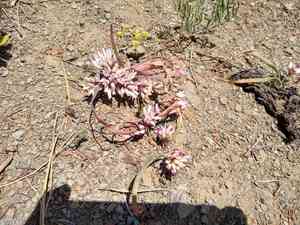
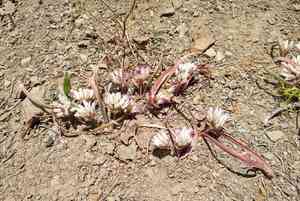
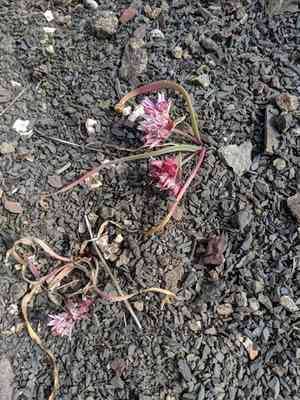
Images of Olympic onion
Quickly Identify Olympic onion
1
Identify Allium crenulatum by its narrow, linear leaves and its pink to purple star-shaped flowers that cluster in an umbel on leafless stems. It typically grows in rock crevices and high-elevation environments.
Scientific Classification of Olympic onion
Phylum
Vascular plants
Class
Monocotyledons
Order
Asparagales
Family
Amaryllis
Genus
Onions
Species
Olympic onion
Planting and Growing of Olympic onion
Care Difficulty
Moderate
Watering Schedule
Every 2 days
Sunlight Requirements
Partial sun
Sunshine Duration
6-10 hours
Ideal Temperature
60-75℉
Soil Type
Potting Mix, Peat Mix
Soil pH
6.5-7.5
Fertilizer Type
Balanced
Pruning Season
Spring, Summer
Pruning Area
Branches, Leaves
Pruning Frequency
2 times a year
Repotting Season
Spring
Pot Type
Plastic, Ceramic
 How to Water Olympic onion?
Allium crenulatum prefers well-drained soil, and it’s crucial to ensure that each watering session moistens the soil thoroughly without leaving it waterlogged. On average, about 200 ml should suffice to do the trick, but always check the soil moisture level first.
What are the symptoms of an underwatered Olympic onion?
›
What should I do if my Olympic onion is not getting enough water?
›
What are the symptoms of an overwatered Olympic onion?
›
How to save an overwatered Olympic onion?
›
 What Are the Sunlight Requirements for Olympic onion?
Partial sun to full sun is ideal for Allium crenulatum. This range ensures it receives enough light for strong growth and abundant flowering while providing midday relief from potential heat stress.
What type of light does Allium crenulatum prefer?
›
How can I achieve the ideal light for Allium crenulatum?
›
What benefits does Allium crenulatum gain from ideal light?
›
 What Is the Ideal Temperature Range for Olympic onion?
The ideal temperature range for growing Allium crenulatum is between 60°F and 75°F. Maintaining this temperature range promotes optimal growth and development, allowing the plant to thrive and produce healthy foliage. Ensuring stable temperatures within this range aids in preventing any stress-related responses from the plant, which could otherwise hinder its growth.
 What Soil is Best for Olympic onion?
Allium crenulatum thrives in well-drained soil, which prevents root rot and ensures optimal growth. This plant prefers soil where excess water can easily escape, keeping roots healthy and preventing decay. A loamy soil texture is ideal for Allium crenulatum, providing the perfect balance of sand, silt, and clay. This texture allows for adequate water retention and nutrient availability, supporting robust growth. Having a nutrient-rich substrate is essential for Allium crenulatum to bloom beautifully. Nutrients like nitrogen, phosphorus, and potassium must be present in suitable concentrations to support foliage and flowering.
 How to Fertilize Olympic onion?
For Allium crenulatum, apply a balanced liquid fertilizer diluted to half the recommended strength to avoid nutrient burn. This should be enough to sustain its growth without overwhelming the plant.
 How to Prune Olympic onion?
Begin pruning by first sterilizing your gardening shears with a mixture of water and rubbing alcohol to prevent disease transmission. Gently trim the spent flower heads down to the base of the stem once the flowers have faded. This deadheading process encourages the plant to focus on vegetative growth rather than seed production. If leaves become unsightly or start to yellow, cut these back as well, leaving healthy green foliage intact. This will ensure your plant remains lively and healthy.
More About Pruning Techniques→
 How to Propagate Olympic onion plant?
1
Begin by filling seed trays with a quality potting mix. Sow the Allium crenulatum seeds on the surface of the soil, lightly covering them with a thin layer of the mix to shield the seeds while allowing for light exposure essential for germination. Ensure consistent moisture by lightly watering the trays, but avoid waterlogging.
2
Once the seedlings have developed true leaves and are of a suitable size, they should be carefully transplanted into individual pots or a prepared garden bed. Use a trowel to transfer them into pre-dug holes, handling them gently at the base to avoid root or stem damage.
3
This involves carefully digging up mature Allium plants and dividing the bulb clusters into smaller sections, each containing a part of the root system. Replant these sections into the ground or pots at the same depth they were growing before. Water thoroughly to reduce transplant shock.
 How to Repot Olympic onion plant?
1
Repotting Allium crenulatum is necessary when roots begin to outgrow the container, or soil quality deteriorates. The ideal time is in early spring, just before active growth begins, or in autumn after flowering. Signs include roots coming out of the drainage holes, soil drying out quickly, or reduced growth.
2
Select a pot slightly larger than the current one to give room for growth but not too big to avoid overwatering. Pots with drainage holes are ideal to prevent excess moisture from accumulating. A good pot option is terracotta, which allows soil to aerate, reducing the risk of root rot.
3
A well-draining soil blend is crucial for Allium crenulatum to emulate their natural environment and prevent waterlogging. Options include a mix of sandy loam with organic matter like compost. This mixture supports healthy root development, aeration, and moisture retention balanced perfectly for the plant.
Learn More About Olympic onion Diseases
Anthracnose
Bacterial Leaf Spot
Bacterial Soft Rot
Bacterial Wilt
Chemical Injury
Damping-off
Downy Mildew
Drought Stress
Fusarium Wilt
Gray Mold
Leaf Spot
Mosaic
Nutrient Deficiency
Nutrient Toxicity
Powdery Mildew
Root Rot
Root-knot Nematode
Rusts
Sooty Mold
Spider Mites
Temperature Stress
Thrips Damage
White Mold



