How to Prune Olympic onion?
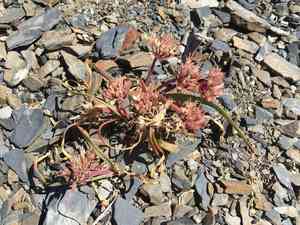
Olympic onion is a unique botanical specimen recognized for its appealing decorative features and culinary uses. Trimming ought to be carried out in the initial part of spring or the latter part of winter, coinciding with its developmental phase to foster robust growth. Eliminate any withered or compromised foliage and spent flower stems to stimulate fresh development. Be careful not to excessively prune, as olympic onion thrives with a certain amount of its leaves intact. Appropriate trimming improves air movement and lowers the chance of illness, thus encouraging a strong and thriving plant.
What Are the Benefits of Pruning Olympic Onion?
What Are the Benefits of Pruning Olympic Onion?
Trimming olympic onion encourages robust development and helps preserve its form. By eliminating spent blooms and dead foliage, it stimulates new growth and improves the plant's visual appeal.
What Is the Best Time for Pruning Olympic Onion?
What Is the Best Time for Pruning Olympic Onion?
Pruning olympic onion in early spring or late winter is ideal as it coincides with the plant's dormant phase, reducing stress and potential harm. Trimming at this time allows the plant to recover and adapt before the active growing season, promoting vigorous growth and optimal flowering. Additionally, pruning during these periods helps remove any damaged or dead material accumulated over winter, contributing to overall plant health and vitality.
What Tools Do I Need to Prune Olympic Onion?
Hand Pruners
Hand pruners are perfect for olympic onion, enabling precise cuts on individual stems. Their sharp blades ensure clean cuts, lessening the chance of disease and stress on the plant.
Precision Scissors
Precision scissors are excellent for trimming the finer, more delicate parts of olympic onion. They offer accuracy without harming surrounding leaves.
Snips
Snips are suitable for minor pruning tasks for olympic onion, especially useful for deadheading or removing faded flowers to encourage new growth.
Gloves
Wearing gloves helps protect your hands when handling olympic onion, particularly when dealing with any sharp or dried plant material.
How to Prune Olympic Onion
Inspect
Before pruning, carefully examine olympic onion for any indications of diseased or withered leaves. Look for discolored, dried, or damaged foliage.
Tool Prep
Sanitize pruning tools using a solution of one part bleach to nine parts water to prevent the spread of illness.
Select
Identify and choose the diseased leaves on olympic onion. These leaves might show signs of fungal infections, discoloration, or spots.
Remove Diseased
Using sterilized pruning shears, gently remove the diseased leaves by cutting at the base of the leaf stem, ensuring you do not harm healthy parts of olympic onion. Dispose of these leaves properly to prevent re-infection.
Remove Withered
Similarly, identify and trim off the withered leaves, cutting them close to the base but above any healthy growth. This encourages new growth and maintains plant health.
Common Pruning Mistakes with Olympic Onion
Over-pruning
A frequent error is removing too much of the plant, which can weaken olympic onion and impede its growth and flowering potential.
Improper technique
Using dull or unsuitable tools can result in jagged cuts, leading to a higher risk of disease and pest infestation.
Wrong timing
Pruning at an incorrect point in the plant's growth cycle can disrupt its natural development and stress olympic onion.
Random cuts
Making arbitrary or careless cuts can lead to an unbalanced structure, negatively impacting olympic onion's overall appearance and health.
Common Pruning Tips for Olympic Onion
Sharp tools
Always use sharp, clean pruning tools to make precise cuts, minimizing the risk of disease transmission.
Minimal pruning
Keep pruning to a minimum, focusing on removing dead, damaged, or diseased stems to encourage healthy growth.
Consider plant structure
Prune with the plant's natural structure in mind, aiming to maintain a balanced and aesthetically pleasing shape.
Regular inspection
Inspect olympic onion regularly for any signs of damage or disease, addressing issues promptly through careful pruning.



