How to Transplant Broad-leaved gilia?
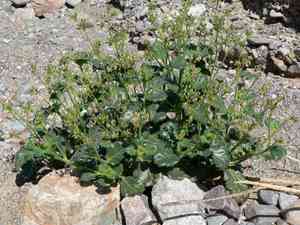
The optimal period for transplanting broad-leaved gilia extends from the vigor of mid-spring through the mildness of early summer, ensuring robust development. Select a location bathed in sunlight with soil that drains effectively. Careful manipulation is crucial for these annual plants to flourish after being moved.
What Preparations are Needed Before Transplanting Broad-leaved Gilia?
What is the Ideal Time for Transplanting Broad-leaved Gilia?
The optimal period for moving broad-leaved gilia is during its vigorous growth phase, from late spring through early summer. This timing leverages warm soil and extended daylight, promoting strong development and establishment. Settling broad-leaved gilia into its new location when conditions are mild and moderate is beneficial, as it minimizes transplant stress and allows sufficient time for adaptation before peak summer heat. This ensures that broad-leaved gilia's delicate roots can easily spread in the nourishing environment, enhancing their resilience and setting the stage for a productive season.
How Much Space Should You Leave Between Broad-leaved Gilia Plants?
For your broad-leaved gilia, you'll want to provide ample room to thrive. Aim to space each plant approximately 4-6 inches (10-15 cm) apart. This gives each broad-leaved gilia sufficient area to grow without competing for essential nutrients.
What is the Best Soil Mix for Broad-leaved Gilia Transplanting?
Your broad-leaved gilia will flourish in soil that drains effectively. Incorporate some organic compost to give it a nutritional boost! A balanced, slow-release fertilizer will create an ideal foundation for healthy growth.
Where Should You Relocate Your Broad-leaved Gilia?
When selecting a site for your broad-leaved gilia, seek an area that receives abundant sunlight. Broad-leaved gilia enjoys soaking up the sun's rays, so a location that gets full sun for most of the day is perfect.
What Equipments Should You Prepare Before Transplantation Broad-leaved Gilia?
Gardening Gloves
To safeguard your hands while handling soil and broad-leaved gilia.
Trowel
For excavating and refining the planting cavity.
Shovel or Spade
For efficiently extracting broad-leaved gilia from the ground and preparing the new spot.
Watering Can or Hose
To hydrate broad-leaved gilia before and after its relocation.
Pruning Shears
To trim any damaged roots or foliage if necessary.
Wheelbarrow
To transport broad-leaved gilia and soil to and from the planting location.
Rooting Hormone (optional)
To stimulate root development in broad-leaved gilia after transplant.
How Do You Remove Broad-leaved Gilia from the Soil?
How Do You Remove Broad-leaved Gilia from the Soil?
From Pot: Gently tap the container's sides to loosen the soil. Tilt the pot sideways and carefully slide broad-leaved gilia out, supporting the soil and root ball with your hands.From Seedling Tray: Water the tray to ensure the soil is damp. Carefully push the seedling from below or use a spoon or dibber to lift broad-leaved gilia without disturbing its roots.From Ground: Water the area around broad-leaved gilia to moisten the soil, making removal easier. Dig a perimeter around the plant wider than its root ball. Carefully insert the shovel beneath the root ball to lift broad-leaved gilia out.
Step-by-Step Guide for Transplanting Broad-leaved Gilia
Prepare the New Site
Dig a hole that is twice the width of broad-leaved gilia's root ball and of equal depth to allow roots ample room to spread.
Root Preparation
Examine broad-leaved gilia's root ball, gently untangling any circling roots, and trim if needed using pruning shears.
Positioning broad-leaved gilia
Place broad-leaved gilia in the center of the hole. The stem's base should be level with the surrounding soil surface to encourage proper growth.
Filling the Hole
Backfill the hole with the excavated soil, gently firming around broad-leaved gilia's root ball to eliminate air pockets.
Watering
After planting, water broad-leaved gilia generously to settle the soil and hydrate its roots.
Staking (if needed)
If broad-leaved gilia is tall or in a windy spot, insert a stake and loosely tie the plant to provide support.
How Do You Care For Broad-leaved Gilia After Transplanting?
Regular Watering
Ensure that broad-leaved gilia receives consistent moisture, especially during its initial growth season to promote strong root establishment.
Observation
Watch for indications of stress in broad-leaved gilia, such as wilting or discolored leaves, and respond promptly to aid the plant's recovery.
Mulching
Applying mulch around broad-leaved gilia's base can help maintain soil moisture and temperature, benefiting plant health.
Support
Continue to check and adjust any supports or stakes to ensure broad-leaved gilia is secure without being restricted as it grows.
Troubleshooting Common Issues with Broad-leaved Gilia Transplantation.
Why is my broad-leaved gilia wilting after transplanting?
Wilting may be due to transplant shock. Ensure soil is moist and protect from strong sunlight temporarily.
How far apart should I plant my broad-leaved gilia seedlings?
Place broad-leaved gilia seedlings about 4-6 inches (10-15 cm) apart to give them ample room to grow.
What's the best time to transplant broad-leaved gilia?
The prime time to transplant broad-leaved gilia is from the awakening of spring to the cusp of summer's warmth.
How much sun does broad-leaved gilia need after transplanting?
Broad-leaved gilia thrives with plenty of sunlight. Choose a sunny spot and gradually acclimate to full sun.
How do I know if broad-leaved gilia has transplant shock?
Transplant shock in broad-leaved gilia may exhibit as leaf drop, wilting, or halted growth. It usually improves with care.
Why are my broad-leaved gilia seedlings turning yellow?
Yellowing can indicate overwatering or poor drainage. Ensure well-draining soil and avoid waterlogged conditions.
Can I transplant broad-leaved gilia on a hot day?
It's best to transplant broad-leaved gilia during cooler parts of the day to prevent stress and dehydration.
Should I fertilize broad-leaved gilia right after transplanting?
Wait a few weeks before fertilizing broad-leaved gilia to avoid overfeeding and let the roots settle into the new soil.
How deep should broad-leaved gilia be planted?
Plant broad-leaved gilia at the same depth it grew in its previous container to avoid burying the stem.
What soil type is best for transplanting broad-leaved gilia?
Broad-leaved gilia prefers well-draining soil rich in organic matter, with a balanced pH to flourish after transplanting.



