How to Prune Broad-leaved gilia?
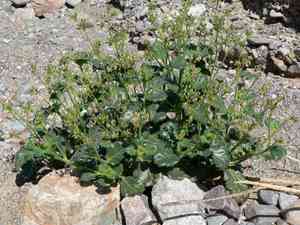
A herbaceous perennial recognized for its vivid blossoms, broad-leaved gilia thrives with judicious trimming. Snip off faded flowers consistently to stimulate additional flowering and preserve its form. The most suitable time for pruning extends from spring through autumn, aligning with its active development stages. Reducing overgrown sections fosters good air movement, which can potentially increase its immunity to diseases. Perform gentle pruning instead of drastic cuts to guarantee the plant's robustness. Periodic trimming not only improves its visual charm but also strengthens the plant's general hardiness.
What Are the Advantages of Trimming Broad-leaved Gilia?
What Are the Advantages of Trimming Broad-leaved Gilia?
Trimming broad-leaved gilia promotes robust, energetic development and assists in maintaining its desired structure. Consistent cutting can encourage a denser appearance by stimulating new shoots from the base and along the stems.
When Is the Optimal Time for Trimming Broad-leaved Gilia?
When Is the Optimal Time for Trimming Broad-leaved Gilia?
Trimming broad-leaved gilia during Spring is ideal as it coincides with the start of its active growth phase, allowing the plant to quickly recover and produce new growth in favorable weather. Summer trimming, soon after the flowering period, encourages broad-leaved gilia to direct energy towards root and foliage development, rather than seed production. Trimming in Fall is not advised as it might stimulate new growth vulnerable to frost and could weaken broad-leaved gilia before dormancy.
What Tools Are Necessary to Trim Broad-leaved Gilia?
Bypass Pruners
Perfect for making clean cuts on the green, living stems of broad-leaved gilia, bypass pruners cause less tissue damage, which aids in quicker healing.
Handheld Pruning Shears
Broad-leaved gilia can benefit from shaping or thinning during its active growth. Handheld pruning shears are excellent for precise work and can access confined areas.
Pruning Gloves
Protecting your hands is crucial when trimming broad-leaved gilia. Gloves prevent injuries from thorns or sharp branches.
Garden Scissors
For snipping off dead or diseased foliage without disturbing the rest of broad-leaved gilia, garden scissors are useful for their accuracy and ease of handling.
How to Trim Broad-leaved Gilia
Clean
Before beginning the trimming process, sanitize all pruning tools to prevent disease transmission. Use a solution of one part bleach to nine parts water to sterilize the shears. Allow them to air dry completely before use to ensure that broad-leaved gilia is not exposed to pathogens during trimming.
Inspect
Examine broad-leaved gilia closely, focusing on identifying withered or unhealthy leaves that do not contribute to the plant's appearance or vigor. Look for leaves that are brown, dry, or showing signs of illness.
Cut
Use the sterilized pruning shears to carefully snip off the withered leaves at their base where they meet the stem or a healthy part of the leaf. Make a clean cut and avoid leaving ragged edges as these can become entry points for pests and diseases.
Dispose
After removing the undesirable leaves, properly dispose of them away from your garden area. Do not compost diseased material as it can contaminate the compost and spread to other plants.
Water
Since the removal of withered leaves may stress broad-leaved gilia, ensure you provide sufficient water to help the plant recover and encourage healthy growth. Do not overwater, as appropriate moisture levels are vital for the plant's health.
Common Trimming Errors with Broad-leaved Gilia
Excessive trimming
Removing too much foliage from broad-leaved gilia can stress the plant, leading to poor health and reduced flowering.
Incorrect cut placement
Making cuts either too close to or too far from the main stem or node can harm broad-leaved gilia, either by damaging new buds or leaving stubs that can rot.
Using unsanitized tools
Trimming with dirty or contaminated tools can introduce diseases to broad-leaved gilia, potentially compromising its health.
Neglecting to trim
Failing to remove dead or diseased parts of broad-leaved gilia can lead to a lack of vigor and may invite pests and diseases affecting the plant's overall health.
Trimming without a strategy
Random or excessive cutting without understanding the growth pattern of broad-leaved gilia can result in an undesirable shape and size, affecting its aesthetic appeal and blooming potential.
General Trimming Advice for Broad-leaved Gilia
Sharp and clean tools
Use sharp, clean pruning shears to make clean, precise cuts on broad-leaved gilia, which will help prevent disease and encourage proper healing.
Trim for shape
When shaping broad-leaved gilia, follow its natural growth habit to maintain an attractive form and promote robust health.
Deadhead regularly
Regularly remove spent flowers from broad-leaved gilia to encourage new blooms and prolong the flowering season.
Thin selectively
Thin out crowded stems to improve air circulation and light penetration for broad-leaved gilia, reducing the risk of pests and diseases while promoting strong growth.
Cut at an angle
Make angled cuts just above nodes or buds to direct growth for broad-leaved gilia and prevent water from accumulating on the cut surface, which could lead to rot.



