How to Transplant Common hollyhock?
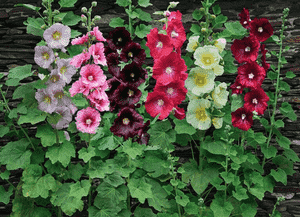
The most suitable period for relocating common hollyhock is from mid-spring through late spring, as this offers prime conditions for development. Select a bright area with soil that drains effectively to encourage peak growth. If necessary, provide additional bracing for young specimens or select a protected site to shield them from powerful gusts.
What Preparations are Needed Before Transplanting Common Hollyhock?
What is the Ideal Time for Transplanting Common Hollyhock?
The optimal period to relocate common hollyhock is from mid to late spring. During this timeframe, the ground has warmed sufficiently, and the risk of frost is minimal, encouraging vigorous development. This timing also aids in establishing robust roots and ensures a healthy, flourishing plant.
How Much Space Should You Leave Between Common Hollyhock Plants?
When relocating common hollyhock, ensure each plant has adequate room to expand by spacing them 1-2 feet (30-60 cm) apart. This will guarantee they have sufficient area to thrive and display their beautiful blossoms.
What is the Best Soil Mix for Common Hollyhock Transplanting?
For common hollyhock, a soil that drains well with a pH between 6.0-7.0 is perfect. Prior to transplanting, incorporate a balanced, slow-release fertilizer (such as 10-10-10) to supply essential nutrients for healthy development.
Where Should You Relocate Your Common Hollyhock?
Select a sunny location in your garden for transplanting common hollyhock. They thrive in sunlight and will grow best when receiving at least 6-8 hours of sun daily. Partial shade is also acceptable, particularly in warmer climates.
What Equipments Should You Prepare Before Transplantation Common Hollyhock?
Gardening Gloves
To safeguard your hands while handling soil and plants.
Shovel or Spade
For excavating holes and trenches, and for extracting the plant from its initial spot.
Trowel
For making minor adjustments in the planting hole and for moving earth.
Watering Can or Hose
To moisten the soil and hydrate the plant post-transplant.
Organic Compost or Fertilizer (Optional)
To enrich the planting site and foster healthy common hollyhock growth.
How Do You Remove Common Hollyhock from the Soil?
How Do You Remove Common Hollyhock from the Soil?
- From Ground:First, irrigate the common hollyhock plant to moisten the earth. Next, excavate a wide trench around the plant using a shovel or spade, ensuring the plant's root ball remains intact. Carefully work the spade beneath the root ball to lift the plant from its original position.- From Pot:Water the common hollyhock plant to dampen the soil. Place your hand over the top of the pot, with your fingers encircling the plant's base. Gently invert the pot while supporting the plant. Tap the pot's sides to loosen the root ball and carefully extract the plant from the pot.- From Seedling Tray:Water the common hollyhock seedlings to moisten the growing medium. Use a trowel or your fingers to gently loosen the soil around the seedling while supporting the plant's base. Carefully lift the seedling from the tray, taking care not to harm the roots.
Step-by-Step Guide for Transplanting Common Hollyhock
Preparation
Prepare the planting area by clearing away any weeds, stones, or debris.
Digging the Hole
Excavate a hole that is at least twice the width of the common hollyhock's root ball and slightly deeper.
Enriching the Soil (Optional)
Incorporate organic compost or fertilizer into the soil at the base of the hole to encourage healthy common hollyhock development.
Placing the Plant
Gently position the common hollyhock plant into the hole, ensuring the top of the root ball is level with the surrounding ground. If necessary, backfill the hole with some soil to achieve the correct depth.
Filling the Hole
Carefully backfill the hole with the soil, gently pressing it down around the root ball to ensure good contact with the roots and to eliminate air pockets.
Watering
Thoroughly water the common hollyhock plant to settle the soil and establish good root-to-soil contact.
Mulching (Optional)
Apply a 2-3 inch layer of organic mulch around the common hollyhock plant. This will help retain moisture, suppress weeds, and regulate soil temperature.
How Do You Care For Common Hollyhock After Transplanting?
Watering
Keep the soil around the common hollyhock consistently moist, but not waterlogged, for the initial few weeks after transplanting to aid in establishing strong roots.
Pest and Disease Control
Regularly inspect your common hollyhock plant for indications of pests or diseases. If required, employ a natural control method or consult a local gardening specialist for guidance.
Pruning and Deadheading
Remove dead or damaged foliage and spent blooms to encourage new growth and maintain a neat appearance.
Support (if needed)
Depending on the common hollyhock variety, you might need to provide support such as a stake or trellis. Attach the common hollyhock to the support using garden twine or plant clips, ensuring that you don't harm the plant.
Troubleshooting Common Issues with Common Hollyhock Transplantation.
What's the ideal time to transplant common hollyhock?
Relocate common hollyhock during mid to late spring, when the weather is mild and the soil is manageable.
How much space should be between common hollyhock plants?
Allow 1-2 feet (30-60 cm) between each common hollyhock to provide them ample room for development.
What type of soil is best for transplanting common hollyhock?
Utilize well-drained, fertile soil with a neutral to slightly alkaline pH (6.5-8.0) for common hollyhock.
How large should the transplant hole be for common hollyhock?
Excavate a hole that's 10 inches (25 cm) deep and twice the width of the root ball.
How to avoid transplant shock for common hollyhock?
Water common hollyhock thoroughly before transplanting, keep it out of direct sunlight for a few days, and ensure proper drainage.
How to help common hollyhock roots establish after transplanting?
Apply a root-stimulating fertilizer and maintain consistent soil moisture until new growth emerges.
How often should I water common hollyhock after transplanting?
Water common hollyhock every 2-3 days for the initial two weeks, then decrease watering frequency as necessary.
What's the proper sunlight requirement after transplanting common hollyhock?
Position common hollyhock in a location with full sun to light shade for optimal growth.
How do I protect my newly transplanted common hollyhock from pests?
Remove damaged leaves, avoid overwatering, and apply organic insecticides if needed to deter pests.
Can I transplant a mature common hollyhock successfully?
Yes, but carefully dig around the root system and water generously before and after transplanting common hollyhock.



