How to Transplant Clavate bentgrass?
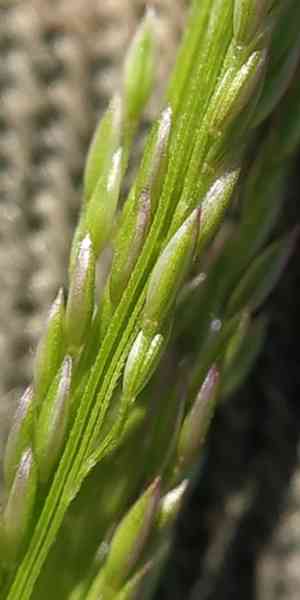
The optimal period for relocating clavate bentgrass extends from the revitalizing onset of spring through the initial phase of summer. Choose a location that offers abundant illumination and soil that drains effectively to encourage vigorous development. Careful handling of the root system and consistent irrigation will facilitate a smooth adaptation.
What Preparations are Needed Before Transplanting Clavate Bentgrass?
What is the Ideal Time for Transplanting Clavate Bentgrass?
The best period for moving clavate bentgrass is after the last frost but prior to peak summer. This time, often called 'the spring awakening,' offers gentle rain and mild temperatures, aiding clavate bentgrass's establishment. Transplanting then utilizes nature's supportive conditions, ensuring roots develop deeply and strongly, setting the stage for vigorous summer growth. Selecting this season allows clavate bentgrass to adapt smoothly, leveraging its natural growth cycle for maximum health and flourishing.
How Much Space Should You Leave Between Clavate Bentgrass Plants?
When rehousing clavate bentgrass, remember they appreciate their own space! Aim for a comfortable 6-8 inches (15-20 cm) between each plant to allow them ample room to thrive.
What is the Best Soil Mix for Clavate Bentgrass Transplanting?
To ensure clavate bentgrass's happiness, begin with well-draining soil; a sandy loam mixture is ideal. Before planting, enrich the soil with a gentle application of balanced, slow-release fertilizer for a nurturing start.
Where Should You Relocate Your Clavate Bentgrass?
Choose a sunny spot for clavate bentgrass that also offers a touch of partial shade for relaxation. They love basking in light but also appreciate a break, so a location with morning sun and afternoon shade is perfect!
What Equipments Should You Prepare Before Transplantation Clavate Bentgrass?
Gardening Gloves
To safeguard your hands while handling soil and plants.
Shovel or Spade
For excavating and lifting the plant's root mass.
Gardening Trowel
For smaller digging tasks and refining the planting site.
Watering Can or Hose
To hydrate the plant before and after its relocation.
Pruning Shears
To trim any dead or excess growth prior to transplanting.
Wheelbarrow or Garden Cart
To move the plant and soil efficiently.
Root Pruning Knife or Saw
For cutting through dense or large roots, if required.
How Do You Remove Clavate Bentgrass from the Soil?
How Do You Remove Clavate Bentgrass from the Soil?
From Ground: Hydrate the clavate bentgrass plant to moisten the soil. Dig a wide trench around the plant using a shovel or spade, being careful not to harm the root ball. Gently work the spade beneath the root ball, and carefully lift the plant from its spot.From Pot: Water the clavate bentgrass thoroughly. Turn the pot sideways, tap the base, or gently squeeze the sides if flexible, to loosen the root ball. Carefully slide the plant out of the pot, supporting its base and stem.From Seedling Tray: Dampen the soil to minimize root disturbance. Use a gardening trowel or your hand to gently separate the seedlings from their cells, ensuring as much soil as possible remains around the roots.
Step-by-Step Guide for Transplanting Clavate Bentgrass
Preparation
Gather all necessary tools and water the clavate bentgrass plant in its current spot to ensure moist soil, which helps protect roots during the move.
Root Ball Care
Begin digging around the clavate bentgrass, leaving ample space to protect its roots. Carefully excavate until you can safely lift the root ball from the soil.
Plant Hole
Dig a hole in the new location that is twice as wide as the root ball and equally deep, providing plenty of room for root expansion.
Placement
Position the clavate bentgrass in the center of the hole. The top of the root ball should be level with the surrounding ground for proper root establishment.
Soil Replacement
Backfill the hole with soil, gently tamping it down to eliminate air pockets and ensure good soil-to-root contact. Do not plant deeper than it was previously.
Watering
Water the clavate bentgrass thoroughly after planting to settle the soil around the roots and aid in recovery from transplant shock.
Mulching (optional)
Apply a layer of mulch around the plant's base to help retain moisture and regulate soil temperature.
How Do You Care For Clavate Bentgrass After Transplanting?
Monitoring
Check the clavate bentgrass daily to ensure the soil stays moist. Water when the top inch of soil feels dry.
Stability
Provide support with stakes if the clavate bentgrass appears to be leaning or unstable post-transplant.
Pruning
Remove any damaged or yellowing leaves to direct the clavate bentgrass's energy towards root establishment.
Patience
Allow the clavate bentgrass time to adjust to its new environment without excessive fertilizing or watering, which can cause stress.
Troubleshooting Common Issues with Clavate Bentgrass Transplantation.
What's the best time to transplant clavate bentgrass for optimal growth?
The ideal period to transplant clavate bentgrass is from early to mid-spring, once the risk of frost has passed.
Why are my clavate bentgrass seedlings wilting after transplanting?
Wilting post-transplant might be due to root shock. Ensure gentle handling, adequate watering, and initially avoid direct midday sun.
How far apart should I space my clavate bentgrass plants?
Aim for a comfortable spacing of 6-8 inches (15-20 cm) to allow each clavate bentgrass ample room to flourish without crowding.
How much should I water clavate bentgrass after transplanting them?
Keep the soil consistently moist but not waterlogged for the initial weeks, gradually reducing as the plants become established.
What kind of soil is best when transplanting clavate bentgrass?
Opt for well-draining, fertile soil with a neutral to slightly acidic pH for robust growth of clavate bentgrass.
Can I transplant clavate bentgrass on a hot day?
Transplanting clavate bentgrass is best done in cooler, overcast conditions to prevent stress; avoid hot days or water thoroughly if unavoidable.
How deep should I plant clavate bentgrass's roots in the new location?
The roots of clavate bentgrass should be positioned so the crown is at soil level, ensuring proper root establishment without burying the plant too deeply.
What should I do if my clavate bentgrass doesn't seem to grow after transplanting?
Patience is crucial; ensure its needs for light, water, and nutrients are met. If no improvement, check for diseases or pests.
Can clavate bentgrass be transplanted into pots?
Absolutely! Clavate bentgrass adapts well to containers. Use a pot with adequate drainage holes and a size that accommodates their spacing requirements.
Is there a way to encourage root growth after transplanting clavate bentgrass?
Promote root growth by maintaining consistently moist soil and applying a balanced, slow-release fertilizer after transplanting.



