How to Prune Clavate bentgrass?
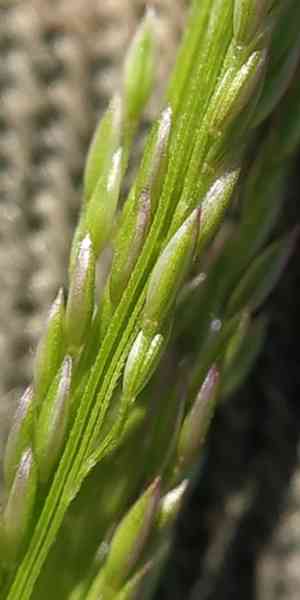
A perennial grass valued in naturalized areas, clavate bentgrass flourishes with little upkeep. Trim in early spring or winter prior to new development. Eliminate deceased or discolored leaves to foster robust sprouts and deter illness. Lightly shear to preserve form and encourage thicker growth, ensuring precise cuts for rapid recovery. Trimming can also revitalize mature clusters, improving their health and look. Consistent cutting offers visual advantages and can strengthen plant resilience for clavate bentgrass.
What Are the Benefits of Pruning Clavate Bentgrass?
What Are the Benefits of Pruning Clavate Bentgrass?
Trimming clavate bentgrass promotes more robust development by eliminating dead or diseased blades, thereby stimulating new growth. Regular cutting helps maintain a tidy turf shape, ensuring a dense, uniform lawn and preventing excessive growth.
What Is the Best Time for Pruning Clavate Bentgrass?
What Is the Best Time for Pruning Clavate Bentgrass?
Pruning or trimming clavate bentgrass in early spring is advisable as this is when the plant starts its active growth phase post-dormancy, allowing for rapid recovery and redirection of energy towards new, healthy growth. Winter, during the plant's dormant period, is also suitable for pruning, as it minimizes stress on clavate bentgrass and reduces the risk of disease transmission that can occur in more humid or active growth periods. Pruning before spring growth helps shape the plant and remove any damaged or diseased tissue, which can enhance the overall health and appearance of clavate bentgrass, and prevent potential issues in the upcoming growing season.
What Tools Do I Need to Prune Clavate Bentgrass?
Hand Shears
Crucial for precise trimming of clavate bentgrass, hand shears provide the control needed for shaping and removing individual blades or small clusters.
Grass Scissors
Useful for cutting grass in confined areas, grass scissors enable gardeners to sculpt clavate bentgrass accurately without harming nearby plants.
Lawn Edger
Perfect for defining the boundaries of clavate bentgrass, a lawn edger helps maintain a neat look and prevents spread into unwanted zones.
How to Prune Clavate Bentgrass
CleanTools
Sanitize pruning tools to prevent disease spread when trimming clavate bentgrass. Use alcohol or a bleach solution to disinfect blades before starting and after cutting diseased parts.
Identify
Examine clavate bentgrass closely to pinpoint and differentiate diseased and withered leaves from healthy growth. Diseased leaves may show spots or discoloration, while withered leaves are typically dry and brown.
CutDiseased
Remove all diseased leaves from clavate bentgrass by making clean cuts at the base of affected leaves with sanitized pruning shears. Ensure complete removal of the leaf to stop disease spread.
CutWithered
Remove withered leaves from clavate bentgrass by trimming them at the base. Withered leaves no longer contribute to plant growth and can attract pests or disease.
Dispose
Properly discard removed leaves. Do not compost diseased or withered leaves, as they may harbor pathogens or pests that can contaminate compost material.
Common Pruning Mistakes with Clavate Bentgrass
Over Pruning
Removing too much foliage from clavate bentgrass at once can stress the plant, hindering its growth or even causing its demise.
Improper Cutting Technique
Making jagged or torn cuts can harm clavate bentgrass. Clean, angled cuts are vital for the plant's health and recovery.
Not Using Clean Tools
Using unsterilized tools can introduce pathogens to clavate bentgrass, potentially leading to disease.
Pruning Healthy Growth
Unnecessarily cutting healthy stems and leaves of clavate bentgrass can diminish its vigor and the overall aesthetic appeal of the grass.
Ignoring Dead Material
Failing to remove dead or diseased material can impede the growth and health of clavate bentgrass, and also provide a habitat for pests.
Common Pruning Tips for Clavate Bentgrass
Sharp Tools
Utilize sharp, clean pruning shears or scissors to ensure precise cuts that promote rapid healing for clavate bentgrass.
Selective Pruning
Identify and selectively remove dead or diseased foliage from clavate bentgrass to enhance air circulation and sunlight penetration.
Thinning
Thin out dense areas of clavate bentgrass to encourage strong, even growth and improve the plant's overall shape.
Maintain Plant Shape
Prune clavate bentgrass by following its natural contour to maintain an attractive and healthy appearance.
Aftercare
After pruning clavate bentgrass, ensure adequate watering and, if necessary, apply a suitable fertilizer to support the plant's recovery and new growth.



