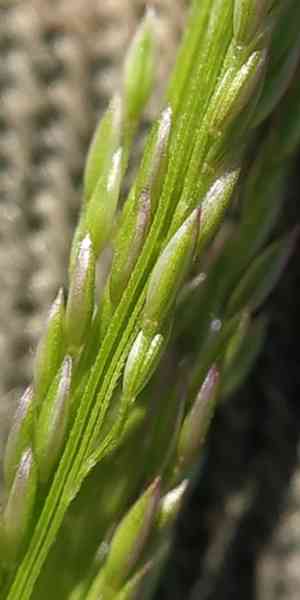
Clavate bentgrass (Agrostis clavata)
Also known as: Northern bent
Clavate bentgrass (Agrostis clavata) is a perennial grass characterized by its slender stems and fine, green leaves. It flourishes primarily in alpine and cool temperate climates, often found in meadows, open woodlands, and near water sources. This grass features delicate, airy flower heads that bloom in the summer, attracting various pollinators. It is adaptable to different light conditions and is known for its resilience and hardiness. Clavate bentgrass forms a soft, low-growing carpet, enhancing the diversity of the understory in its native habitats.
In This Article
Attributes of Clavate bentgrass
Lifespan
Perennial
Plant Type
Grass
Plant Height
20 cm to 80 cm
Spread
N/A
Leaf Color
Green
Flower Size
5 cm to 10 cm
Flower Color
Yellow Green
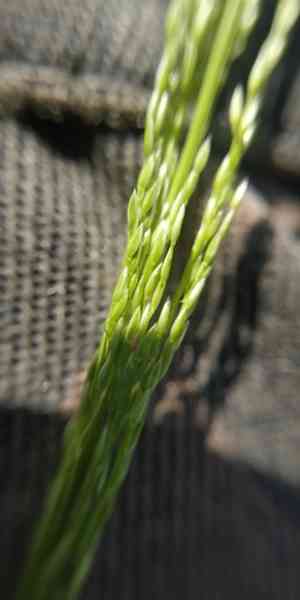
Images of Clavate bentgrass
Quickly Identify Clavate bentgrass
1
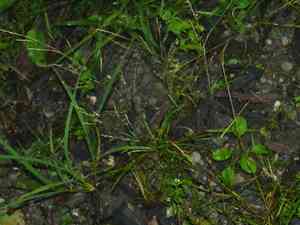
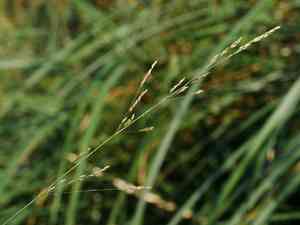
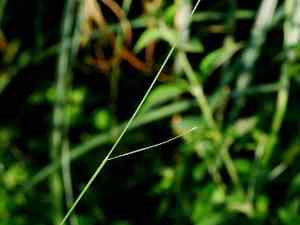
Identification of Agrostis clavata can be done by examining its distinctive slender and wiry stems, small and narrow leaves, and panicle-type flower clusters which are usually delicate and open.
Scientific Classification of Clavate bentgrass
Phylum
Vascular plants
Class
Monocotyledons
Order
Poales
Family
Grass
Genus
Bentgrass
Species
Clavate bentgrass
Planting and Growing of Clavate bentgrass
Care Difficulty
Moderate
Watering Schedule
Every 3 days
Sunlight Requirements
Partial sun
Sunshine Duration
6-12 hours
Ideal Temperature
60-75℉
Soil Type
Potting Mix, Peat Mix
Soil pH
5.5-6.8
Fertilizer Type
Balanced
Pruning Season
Spring, Summer
Pruning Area
Branches, Leaves
Pruning Frequency
2 times a year
Repotting Season
Spring
Pot Type
Terracotta, Plastic
 How to Water Clavate bentgrass?
For Agrostis clavata, providing 500 ml of water every time ensures the soil remains adequately moist without becoming waterlogged. It is essential to maintain this balance as it reflects the plant's natural habitat conditions, allowing it to thrive.
What are the symptoms of an underwatered Clavate bentgrass?
›
What should I do if my Clavate bentgrass is not getting enough water?
›
What are the symptoms of an overwatered Clavate bentgrass?
›
How to save an overwatered Clavate bentgrass?
›
 What Are the Sunlight Requirements for Clavate bentgrass?
Agrostis clavata benefits from partial sun, receiving about 4-6 hours of sunlight each day. Ideal lighting promotes efficient photosynthesis, vibrant pigmentation, and fosters overall plant robustness.
What is the best type of sunlight for Agrostis clavata?
›
How to achieve ideal lighting for Agrostis clavata?
›
What benefits come with achieving ideal lighting for Agrostis clavata?
›
 What Is the Ideal Temperature Range for Clavate bentgrass?
The ideal temperature range for growing Agrostis clavata is between 60°F and 75°F. This range allows for optimal growth and photosynthesis. Maintaining these temperatures ensures that the plant can efficiently use water and nutrients, promoting healthy development.
 What Soil is Best for Clavate bentgrass?
Agrostis clavata thrives in well-drained soil to prevent waterlogging, which can lead to root rot. Such soil ensures roots have enough oxygen, promoting healthy growth and nutrient uptake. While drainage is crucial, the soil should retain enough moisture to keep the plant hydrated, especially during dry periods, ensuring steady growth and resilience. A nutrient-rich soil provides essential minerals and nutrients required for the lush development of Agrostis clavata. Periodic feeding with organic material can boost soil fertility.
 How to Fertilize Clavate bentgrass?
Agrostis clavata requires a moderate amount of fertilizer. When using liquid fertilizers, dilute the solution to half the recommended concentration to avoid root burn. For slow-release fertilizers, apply roughly 30 grams per square meter, ensuring even distribution.
 How to Prune Clavate bentgrass?
Begin by examining the grass for areas that are overgrown or unevenly spread. These sections will guide you on where to focus your trimming efforts for an even landscape. Start by trimming the top growth lightly to level out its height. Focus on a methodical, even approach, ensuring not to cut more than one-third of the plant at a time to avoid shock. Remove all clippings and debris to promote airflow and prevent fungal growth. Following pruning, water thoroughly to assist recovery and encourage new growth.
More About Pruning Techniques→
 How to Propagate Clavate bentgrass plant?
1
Start by ensuring the seeds are viable and healthy. This can be done by performing a float test if necessary. Next, fill seed trays with a high-quality seed starting mix before evenly distributing the seeds on the surface, covering lightly with additional mix if needed.
2
Begin by gently removing the plant from the ground. Shake off excess soil to expose the roots. Use a sharp knife or spade to divide the root clump into sections, each with roots and shoots, ensuring minimal damage for successful regeneration.
3
Plant seeds or divisions into prepared pots or garden plots. Ensure regular watering to keep the soil moist but not waterlogged. Place them in an area with appropriate light levels and temperature to promote healthy growth and development.
 How to Repot Clavate bentgrass plant?
1
Watch for signs such as roots growing out of the drainage holes or a lag in growth. These indicate that Agrostis clavata needs more space and nutrients. The best time to repot is during active growth seasons when the plant is less vulnerable to transplant shock.
2
Select a pot that is one size larger than the current one, with adequate drainage holes. This ensures enough space for root growth without excess soil, reducing the risk of root rot and providing adequate aeration.
3
Opt for a well-draining sandy soil mix. This mimics its natural habitat and prevents waterlogging, ensuring the roots remain healthy and the plant can draw the nutrients it needs effectively.



