How to Transplant Harvestlice?
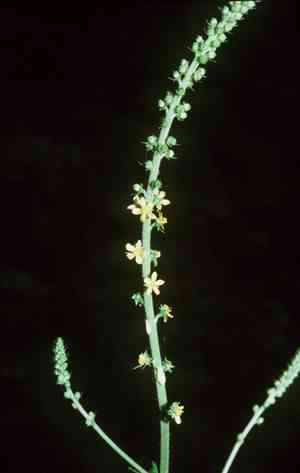
The ideal period for transplanting harvestlice is the late spring to early summer, which guarantees vigorous development. Select a location that receives full sun to partial shade and has soil that drains effectively for the best outcome. To facilitate a favorable beginning, confirm the soil is fertile and adequately hydrated.
Essential Preparations Before Relocating Harvestlice?
When is the Best Time to Move Harvestlice?
The ideal period for moving harvestlice occurs during the pleasant warmth of late spring extending into the vibrant start of early summer. Transplanting harvestlice at this time benefits from moderate temperatures, which support root development without the stress of intense summer heat. This timing allows harvestlice to adapt and strengthen its root system, enjoying a full growing season before winter arrives.
What is the Recommended Spacing Between Harvestlice Plants?
To ensure your harvestlice flourish, provide them with adequate space! Position them approximately 12-18 inches (30-46 cm) apart. This spacing prevents competition for root area and essential nutrients among individual plants.
What is the Optimal Soil Blend for Harvestlice Transplantation?
For your harvestlice, the soil should drain well and be rich in organic material. Prior to transplanting, incorporate some compost as a foundational fertilizerâit serves as an excellent initial nutrient source for your new plants!
Where Should You Replant Your Harvestlice?
Your harvestlice will thrive in a location that receives full sun to partial shade in your garden. Aim for a spot that gets about 4-6 hours of sunlight daily, ensuring they receive sufficient light without excessive exposure to the hot afternoon sun.
What Tools Should You Have Ready Before Transplanting Harvestlice?
Gardening Gloves
To safeguard your hands while handling soil and plants.
Spade or Shovel
For excavating the plant and preparing the new planting site.
Garden Fork
To loosen the soil around the plant's roots and to incorporate any necessary soil amendments.
Watering Can or Hose
To hydrate the plant both before and after its relocation.
Trowel
For more precise tasks or smaller transplanting efforts.
Wheelbarrow
To move the plant and soil efficiently.
Pruning Shears
For trimming any dead or damaged roots or leaves.
How to Extract Harvestlice from the Soil?
How to Extract Harvestlice from the Soil?
From Ground: First, moisten the harvestlice plant to soften the soil, making removal easier. Dig a wide circle around the plant with a spade or shovel, being careful not to harm the root ball. Use the spade to gently pry the root ball upwards, lifting the plant from its original spot.From Pot: Water the harvestlice thoroughly. Tilt the pot sideways and gently tap or squeeze it to loosen the plant. Carefully slide the plant out while supporting the soil and roots with your hand.From Seedling Tray: Water the seedlings well, then use a trowel or your fingers to carefully lift each harvestlice seedling by its leaves, not the stem, to prevent damage. Ensure some soil remains attached to the roots for protection.
Detailed Steps for Transplanting Harvestlice
Preparation
Ensure all tools are clean and ready. Put on your gardening gloves. Water the harvestlice before removing it from its current spot.
Root Ball Handling
Gently take the harvestlice from its current ground, pot, or tray, making sure to keep the root ball as intact as possible.
Hole Preparation
Dig a hole in the new location that is twice as wide and equally deep as the root ball. Use the garden fork to loosen the soil at the bottom of the hole for improved root penetration.
Transplanting
Carefully place the harvestlice into the hole. The top of the root ball should be level with the surrounding soil surface.
Soil Backfill
Partially fill the hole with soil and water it to settle the soil around the roots, eliminating air pockets. Then, fill the rest of the hole with soil.
Final Touch
Once the harvestlice is in place and the hole is filled, gently firm the soil around the plant's base and water again.
Post-Transplant Care for Harvestlice
Monitoring
Regularly check on the harvestlice to ensure the soil isn't too compacted and that the plant is stable in its new position.
Hydration
Water the harvestlice generously immediately after transplanting and consistently during the initial weeks as it establishes.
Mulching
Apply a layer of mulch around the base of the harvestlice to help retain moisture and stabilize soil temperature.
Pruning
Remove any damaged or dead foliage to direct the harvestlice's energy towards developing new roots and healthy growth.
Addressing Common Issues with Harvestlice Transplantation.
What's the best time to transplant harvestlice?
Optimal transplanting is from late spring to early summer, ensuring a mild environment for harvestlice root establishment.
How far apart should I space harvestlice when transplanting?
Space harvestlice at a distance of 12-18 inches (30-45 cm) to give each plant ample room to thrive.
Why are my transplanted harvestlice wilting post-transplant?
Harvestlice likely needs more water. Ensure the soil stays consistently moist without waterlogging during these critical initial weeks.
Should I amend the soil before transplanting harvestlice?
Absolutely! Work in organic matter or compost to enrich the soil, promoting robust growth for harvestlice.
Can I transplant harvestlice on a hot, sunny day?
It's best to transplant during overcast weather or in the evening to reduce transplant shock and moisture loss.
How deep should I plant harvestlice when transplanting?
Transplant harvestlice so the root ball is even with the soil surface, promoting healthy root development.
What should I do if harvestlice shows signs of transplant shock?
If harvestlice exhibits shock, maintain soil moisture, provide shade, and avoid fertilizers until it shows recovery signs.
Why isn't my harvestlice growing after being transplanted?
Harvestlice may be adjusting to its new spot. Ensure optimal water, spacing, and weed control for recovery.
How can I protect harvestlice after transplanting them from pests?
Regularly inspect harvestlice for pests. A layer of mulch can deter weeds and maintain soil moisture, minimizing stress.
Is it necessary to prune harvestlice during transplanting?
Minimal pruning to remove damaged foliage can be beneficial, but save major pruning until harvestlice is established.



