How to Prune Harvestlice?
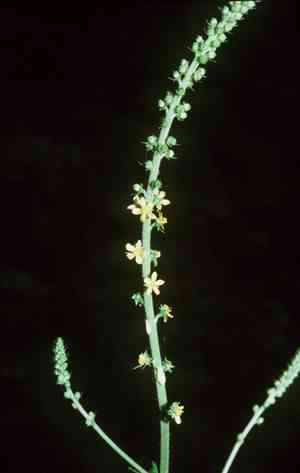
This enduring herbaceous plant, recognized for its lofty, upright form and diminutive yellow blossoms, thrives in adequately drained earth and dappled sunlight. Trimming harvestlice ought to concentrate on removing faded flowers to stimulate further blooming, and reducing the plant in late summer for revitalization. The most effective time for pruning is after flowering in summer or prior to fresh development in early spring. Consistent trimming preserves the plant's vitality and visual charm, concurrently managing its expansion within the garden.
What Are the Benefits of Pruning Harvestlice?
What Are the Benefits of Pruning Harvestlice?
Trimming harvestlice encourages robust development and helps maintain its form, leading to a dense, thriving plant with enhanced air movement, which can lower the occurrence of disease.
What Is the Best Time for Pruning Harvestlice?
What Is the Best Time for Pruning Harvestlice?
Trimming harvestlice in late winter to early spring, prior to the start of new growth, aids in stimulating healthy new branches and blooms without risking harm to emerging shoots. Pruning in late summer, after flowering, allows for the removal of faded blossoms and can promote a second flush of growth while the plant is still active, but avoids the stress linked with midsummer heat. Avoiding pruning in late fall prevents cuts from being exposed to freezing temperatures, which can damage harvestlice. These periods ensure the plant retains vitality and does not divert energy to recovery during crucial growth phases.
What Tools Do I Need to Prune Harvestlice?
Bypass Pruners
Perfect for making clean cuts on harvestlice's stems as they enable precise cutting action without causing extensive harm to plant tissues.
Gardening Gloves
Essential for safeguarding hands from harvestlice's thorns and rough foliage during the trimming process.
Hand Pruning Shears
Suitable for snipping smaller stems and deadheading harvestlice, offering greater control than larger implements.
Pruning Saw
Useful for cutting through older, woodier stems of harvestlice that may have developed over time.
How to Prune Harvestlice
Disinfect tools
Before trimming harvestlice, ensure all cutting implements are thoroughly sanitized to prevent the spread of illnesses.
Remove diseased leaves
Carefully inspect harvestlice and use clean pruning shears to snip away any leaves showing signs of disease, cutting at the base of the leaf stalk.
Trim withered leaves
Identify and prune any withered or dead leaves from harvestlice, making cuts at the leaf base to encourage healthy growth and air circulation.
Cut diseased stems
Examine stems for signs of disease on harvestlice, and carefully remove them by cutting at an angle just above a healthy leaf node or bud.
Cleanup
After trimming harvestlice, gather and dispose of all removed diseased material properly to minimize the risk of infection spreading.
Common Pruning Mistakes with Harvestlice
Cutting too much
Removing an excessive amount of foliage from harvestlice can be detrimental as it can stress the plant and reduce its ability to photosynthesize, which is vital for its growth and health.
Pruning too hard
Cutting back harvestlice too severely can result in poor plant structure and may risk removing too many flower buds, hindering its natural blooming potential.
Improper cut location
Making cuts at incorrect spots can lead to disease entry and pest infestation. For harvestlice, it's important to cut just above a leaf node or bud.
Using dull tools
Employing dull pruning tools can cause jagged cuts that harm harvestlice and make it more susceptible to infections. Always use sharp, clean tools for precise cuts.
Ignoring dead material
Failing to remove dead or diseased material can affect the overall health of harvestlice, as it wastes resources that could be directed towards new growth.
Common Pruning Tips for Harvestlice
Selective pruning
Carefully choose which branches to trim, focusing on removing any dead or diseased wood to promote better air circulation and light penetration for harvestlice.
Encourage bushiness
To encourage a denser habit in harvestlice, trim the tips of stems, which stimulates new branching. However, be careful not to overdo it.
Tidy up appearance
Regularly deadheading or removing spent flowers from harvestlice can tidy up the plant's appearance and potentially encourage a second bloom.
Follow natural shape
To maintain the natural shape of harvestlice, follow its existing growth patterns when trimming, removing only what is necessary to enhance its form.
Post-flowering prune
After harvestlice has completed its flowering cycle, light trimming can be done to remove spent blooms and shape the plant without impacting next season's flowers.



