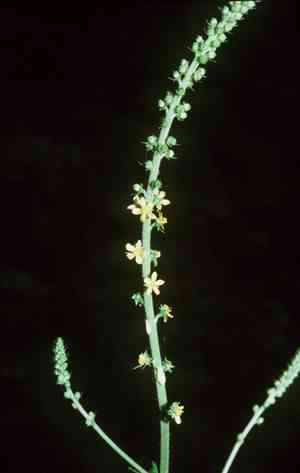
Harvestlice (Agrimonia parviflora)
Also known as: Swamp agrimony, Small-flowered agrimony
Some avian species incorporate Harvestlice (Agrimonia parviflora), a plant often considered a weed, into their nest-building materials. This choice is strategic because the plant has a strong odor and unpleasant taste, deterring pests like mites and lice, which helps maintain a healthier environment for the birds and their chicks.
In This Article
Attributes of Harvestlice
Lifespan
Perennial
Plant Type
Herb
Plant Height
1.8 m
Spread
30 cm
Leaf Color
Green
Flower Size
6 mm
Flower Color
Yellow
Images of Harvestlice
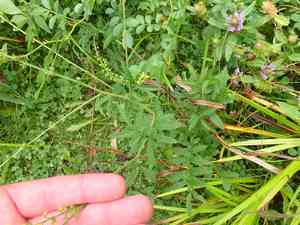
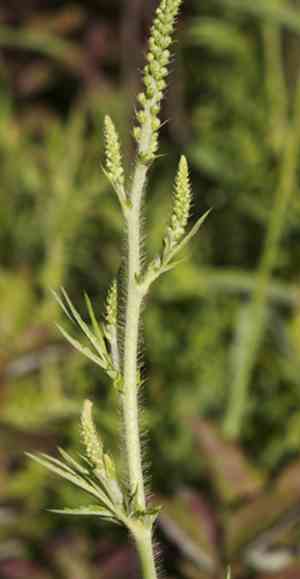
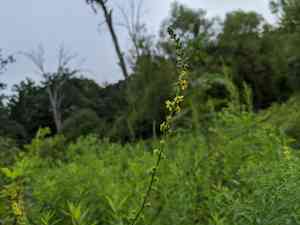
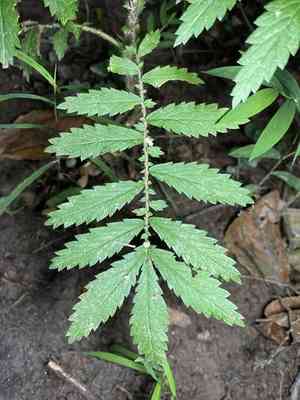
Quickly Identify Harvestlice
1
This plant can be identified by its pinnately compound leaves, small yellow flowers clustered on a tall, thin spike, and hooked bristles on the fruit that attach to clothing and fur.
Scientific Classification of Harvestlice
Phylum
Vascular plants
Class
Dicotyledons
Order
Rosales
Family
Rose
Genus
Agrimony
Species
Harvestlice
Planting and Growing of Harvestlice
Care Difficulty
Easy
Watering Schedule
Every 3 days
Sunlight Requirements
Partial sun
Sunshine Duration
4-8 hours
Ideal Temperature
68-77℉
Soil Type
Potting Mix, Peat Mix
Soil pH
6.5-7.5
Fertilizer Type
Balanced
Pruning Season
Spring, Summer
Pruning Area
Branches, Leaves
Pruning Frequency
2 times a year
Repotting Season
Spring
Pot Type
Plastic, Terracotta
 How to Water Harvestlice?
For Agrimonia parviflora, it's essential to follow a balanced watering approach, ensuring the soil remains moist but not waterlogged. Aim to provide approximately 500 ml per watering session, soaking the soil thoroughly. The goal is for water to reach the root zone without saturating the soil, as overly wet conditions could harm the plant's growth.
What are the symptoms of an underwatered Harvestlice?
›
What should I do if my Harvestlice is not getting enough water?
›
What are the symptoms of an overwatered Harvestlice?
›
How to save an overwatered Harvestlice?
›
 What Are the Sunlight Requirements for Harvestlice?
Agrimonia parviflora favors partial sun, ideally 4 to 6 hours of light. This balance stimulates healthy growth and flowering, crucial for its lovely appearance and thriving ecology.
More About Sunlight Requirements Techniques→
Ideal Sunlight Exposure
›
Solutions for Optimal Lighting
›
Benefits of Ideal Lighting
›
 What Is the Ideal Temperature Range for Harvestlice?
Agrimonia parviflora thrives best in temperatures ranging from 68°F to 77°F. This range supports optimal physiological processes, including photosynthesis and respiration, ensuring the plant's efficient growth and development.
 What Soil is Best for Harvestlice?
Agrimonia parviflora thrives in well-drained soil as it prevents waterlogging, which is detrimental to the plant's root system. Ensuring good drainage enhances root health, allowing optimal nutrient uptake and promoting vigorous growth. Rich loamy soil provides essential nutrients necessary for Agrimonia parviflora. Fertile soil enhances its overall vitality, supporting vibrant foliage and robust flowering. Organic matter like compost can be added to enrich the soil. While the soil should drain well, it should still retain some moisture to support the plant's hydration needs. Achieving a balance helps the plant maintain healthy turgidity and resilience against drought.
 How to Fertilize Harvestlice?
For Agrimonia parviflora, fertilizer should be applied in moderation. Ideally, use a balanced fertilizer with an NPK ratio of 10-10-10. For liquid fertilizers, use 1/4 cup mixed with a gallon of water. For slow-release granules, sprinkle a handful (approximately 2 tablespoons) around the base of the plant once during the growing season.
 How to Prune Harvestlice?
Begin by examining the plant for any dead or damaged stems. Cut these back to the base to prevent disease spread. Next, trim back any overly long stems to promote a bushier growth habit. Use sharp, clean pruning shears to make clean cuts just above a healthy leaf node or bud to encourage new growth. To promote prolific flowering, focus on removing faded flowers and expired flower stems. This process, known as deadheading, redirects the plant's energy towards producing new blooms and helps maintain neatness. Always cut just above a set of leaves or buds, allowing new growth to emerge.
More About Pruning Techniques→
 How to Propagate Harvestlice plant?
1
Before sowing, soak the seeds of Agrimonia parviflora in lukewarm water for 24 hours to soften the seed coat and improve germination rates. This stratification mimics natural conditions and enhances successful germination.
2
Select healthy roots from a mature plant and cut them into segments 2-3 inches long. Make sure to make a clean cut using a sharp knife to prevent damage. Plant the cuttings horizontally in pots filled with a mix of sand and compost.
3
Once seedlings or root cuttings develop roots and small shoots, transplant them into individual pots or directly into the garden. Choose a location with well-drained soil and full sun to partial shade.
 How to Repot Harvestlice plant?
1
You should consider repotting Agrimonia parviflora when you notice the roots are circling around the bottom of its current container. Another key signal is when water drains too quickly, indicating your plant is root-bound. The ideal time for repotting is during the spring or autumn when the plant energy is not focused on growth, allowing it to adapt to its new environment smoothly.
2
Select a pot that is about 1-2 inches larger in diameter than the current one to allow room for root expansion. It should have drainage holes to prevent waterlogging, which can cause root rot. A pot made of breathable materials, such as terracotta, is ideal as it helps excess moisture evaporate and provides a better environment for your plant's roots.
3
Opt for a well-draining garden soil that's rich in organic matter. This ensures that the plant roots receive adequate oxygen while also retaining the necessary nutrients for growth. A good soil mix will prevent water from pooling, reducing the risk of root rot and encouraging healthy root development.
Learn More About Harvestlice Diseases
Anthracnose
Bacterial Leaf Spot
Crown Gall
Cyst Nematode
Damping-off
Downy Mildew
Drought Stress
Fusarium Wilt
Gray Mold
Leaf Curl
Leaf Spot
Mosaic
Nutrient Deficiency
Nutrient Toxicity
Powdery Mildew
Root Rot
Root-knot Nematode
Rusts
Sooty Mold
Spider Mites
Temperature Stress
Thrips Damage
White Mold
Chemical Injury



