How to Transplant Aglaonema costatum?
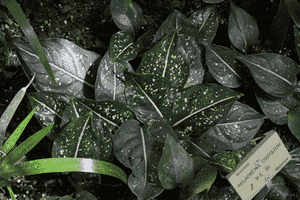
The optimal period for relocating spotted evergreen is within the warmer embrace of late spring through early summer, promoting consistent development. Select locations with ample, filtered illumination to nurture vigor, and when required, carefully disentangle the root mass to facilitate spreading.
What Preparations are Needed Before Transplanting Spotted Evergreen?
What is the Ideal Time for Transplanting Spotted Evergreen?
The best time to move spotted evergreen is as spring flowers fade and summer approaches. This allows the plant to settle in mild temperatures, promoting strong development. Moving spotted evergreen during this gentle season ensures roots establish before intense heat, boosting vigor and resilience. A timely transplant can lead to a flourishing spotted evergreen, displaying vibrant foliage due to the stable, growth-friendly climate!
How Much Space Should You Leave Between Spotted Evergreen Plants?
When relocating your spotted evergreen, ensure ample room between them. Aim for approximately 12-18 inches (30-45 cm) apart. This provides each spotted evergreen sufficient space to thrive without competing for nutrients!
What is the Best Soil Mix for Spotted Evergreen Transplanting?
Prepare a suitable base for your spotted evergreen by selecting a well-draining soil blend, rich in organic matter. A bit of compost works wonders as an initial fertilizer. Start correctly by enriching the soil before you transplant!
Where Should You Relocate Your Spotted Evergreen?
Choose a location for your spotted evergreen with bright, indirect light. A spot receiving filtered light, such as near a north-facing window, is ideal. Protect your spotted evergreen from direct sun to keep their leaves happily spotted!
What Equipments Should You Prepare Before Transplantation Spotted Evergreen?
Gardening Gloves
To safeguard your hands while handling soil and plants.
Trowel
For digging and shifting small quantities of soil.
Shovel or Spade
For excavating around and beneath the plant to be moved.
Pruning Shears
To trim roots if necessary.
Watering Can or Hose
To hydrate the plant before and after relocation.
Wheelbarrow or Garden Cart
To transport the plant and soil.
Mulch
To help maintain moisture around the new planting area.
Rooting Hormone (optional)
To encourage root development in the new spot.
How Do You Remove Spotted Evergreen from the Soil?
How Do You Remove Spotted Evergreen from the Soil?
From Pot: First, water the spotted evergreen to make the soil moist and easier to handle. Turn the pot on its side and gently tap the bottom to loosen the plant. If it doesn't slide out, carefully run a trowel around the pot's inner edge to separate the soil. Tilt the pot and guide the plant out, supporting its base with your hand.From Ground: Begin by thoroughly watering the spotted evergreen to dampen the soil. Use a shovel or spade to dig a wide circle around the plant, being careful to avoid cutting any roots. Gradually deepen the trench and angle the shovel beneath the root ball. Gently lift the plant, ensuring the root ball stays intact.From Seedling Tray: Water the seedlings to allow roots to slide out more easily. Gently press the bottom of the tray cell to lift the spotted evergreen seedling. Carefully hold the seedling by its leaves, not the stem, and ease it out, ensuring the root and surrounding soil ('root ball') come with it.
Step-by-Step Guide for Transplanting Spotted Evergreen
Prepare the New Site
Prepare the new planting hole where the spotted evergreen will be moved. It should be twice as wide as the root ball and the same depth as the plant was growing previously.
Plant Removal
Follow the appropriate removal method based on whether the spotted evergreen is coming from a pot, the ground, or a seedling tray, as outlined earlier.
Root Inspection
Examine the root ball for any dead or damaged roots and carefully trim them with pruning shears. If the roots are tightly coiled, gently untangle them to encourage spreading.
Planting
Position the spotted evergreen in the center of the new hole. Adjust the depth so the plant is at the same level it was growing before. Backfill the hole, gently tamping the soil to eliminate air pockets.
Watering
Water the spotted evergreen thoroughly after planting to settle the soil and provide moisture to the roots.
Mulching
Apply a layer of mulch around the base of the spotted evergreen, being careful not to pile it against the stem, which can cause rot.
How Do You Care For Spotted Evergreen After Transplanting?
Initial Watering
Water the spotted evergreen deeply immediately after transplanting and then maintain consistent moisture levels during the first few weeks, while preventing waterlogging.
Monitor for Stress
Watch for signs of transplant shock, which may appear as wilting or yellowing leaves. If symptoms are observed, ensure proper care by adjusting water or shade.
Pruning Avoid significant pruning
After transplanting, allow the spotted evergreen to prioritize root establishment rather than regenerating pruned foliage.
Protection
Provide temporary shade or wind protection if extreme weather is predicted shortly after transplanting.
Troubleshooting Common Issues with Spotted Evergreen Transplantation.
What's the best time to transplant spotted evergreen?
The optimal period is during the warmer months, ideally late spring through early summer for acclimation.
How far apart should I space spotted evergreen when transplanting?
Ensure to space them about 12-18 inches (30-45 cm) apart to allow sufficient room for growth.
Why are my spotted evergreen's leaves yellow after transplanting?
Yellow leaves can be a sign of overwatering or shock. Gradually acclimate spotted evergreen to the new environment.
How deep should the new hole be for transplanting spotted evergreen?
Dig a hole as deep as the root ball and twice as wide to encourage outward root growth.
What kind of soil is best for transplanting spotted evergreen?
Use a well-draining, fertile soil mix to promote healthy root development and prevent rot.
How do I prepare the root ball of spotted evergreen for transplanting?
Gently loosen the roots and remove any dead or rotting parts before placing it in the new hole.
Can I trim spotted evergreen's roots before transplanting?
Yes, prune long or damaged roots to encourage new growth, but do so sparingly.
Should I water spotted evergreen immediately after transplanting?
Yes, water thoroughly to settle the soil around the roots and reduce transplant stress.
My spotted evergreen looks wilted post-transplant, what should I do?
Wilt is common; ensure adequate watering and avoid full sun until it recovers.
How do I ensure spotted evergreen adapts well after transplanting?
Keep the soil moist but not soggy, provide partial shade, and avoid fertilizing for a few weeks.



