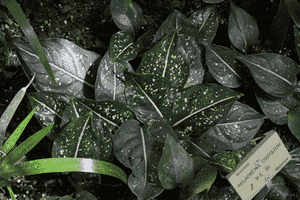
Aglaonema costatum (Aglaonema costatum)
Also known as: Chinese Evergreen, Aglaonema rotundum
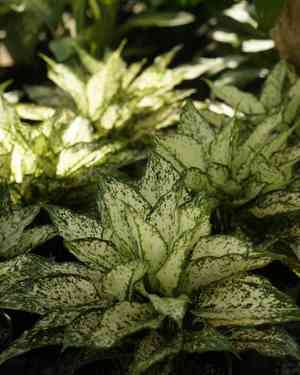
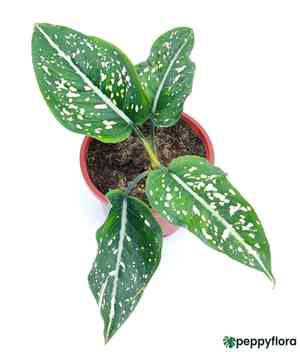
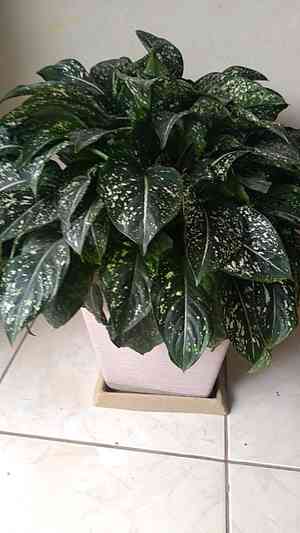
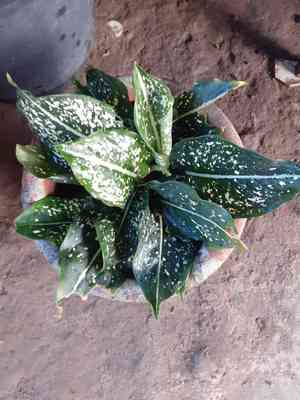
Aglaonema costatum is a type of flowering plant in the Araceae family, commonly grown as a houseplant. It is known for its attractive foliage, which is green with white spots or variegation.
In This Article
Attributes of Aglaonema costatum
Lifespan
Aglaonema costatum, also known as the pinstripe aglaonema, is a perennial plant, meaning it can live and grow for more than two years if properly cared for.
Plant Height
30-50 cm
Spread
30-60 cm
Leaf Color
Deep green with spots of cream
Flower Size
1-3 cm
Flower Color
White or greenish-white
Images of Aglaonema costatum
Quickly Identify Aglaonema costatum
1
Look for green leaves with distinct white or cream spots. The plant tends to be compact, with a bushy growth habit.
Scientific Classification of Aglaonema costatum
Phylum
Angiosperms
Class
Monocots
Order
Alismatales
Family
Araceae
Genus
Aglaonema
Planting and Growing of Aglaonema costatum
Care Difficulty
Easy
Watering Schedule
Every 4 days
Sunlight Requirements
Partial sun
Sunshine Duration
4-8 hours
Ideal Temperature
60-75℉
Soil Type
Potting Mix, Peat Mix
Soil pH
6-7.5
Fertilizer Type
Balanced
Pruning Season
Spring, Summer
Pruning Area
Branches, Leaves
Pruning Frequency
2 times a year
Repotting Season
Spring
Pot Type
Plastic, Ceramic
 How to Water Aglaonema costatum?
Aglaonema costatum prefers humid environments and requires moderate watering amounts. Overwatering may lead to root rot. Aim to keep the soil moderately moist. In principle, each watering should involve around 200 milliliters of water. Do not soak the soil, the water should be just enough to the touch. The perfect credo here is 'Less is more'.
What are the symptoms of an underwatered Aglaonema costatum?
›
What should I do if my Aglaonema costatum is not getting enough water?
›
What are the symptoms of an overwatered Aglaonema costatum?
›
How to save an overwatered Aglaonema costatum?
›
 What Are the Sunlight Requirements for Aglaonema costatum?
Ideal light range for Aglaonema costatum is bright, indirect light. This is because it supports healthy growth, optimal photosynthesis, and vibrant color retention.
 What Is the Ideal Temperature Range for Aglaonema costatum?
Aglaonema costatum best thrives between the temperature range of 60-75°F. This range simulates the natural, tropical environment that these plants are accustomed to. The temperature in these boundaries helps to promote optimal growth and ensures the plant's overall health.
 What Soil is Best for Aglaonema costatum?
Aglaonema costatum, or the Chinese Evergreen, prefers a well-draining soil. Overly soggy soil can lead to the dreaded root rot disease. Loamy soil, as it retains the right amount of water while allowing excess to drain, is an excellent choice. This plant thrives in moderately fertile soil. Too fertile can cause excessive growth leading to negative outcomes like less vibrant colouration. Adding compost or a slow-release fertiliser into your soil can help maintain fertility levels. Aglaonema prefers slightly acidic soil ranging from a pH of 6.0 to 7.5. A slightly acidic soil encourages nutrient availability and enhances the plant's ability to take up necessary nutrients from the soil.
 How to Fertilize Aglaonema costatum?
Your Aglaonema costatum needs minimal amount of fertilizer. A small scoop of slow-release pellets once a season, which is usually around 2-3 months, is sufficient. For liquid fertilizer, half a teaspoon diluted in water to spread across the entire pot, every 2 weeks, will suffice.
 How to Prune Aglaonema costatum?
Start by removing any yellow, brown, or unhealthy leaves from the bottom and working your way up. Just cut them off at the stem. Then you can prune any leggy or overgrown branches back to a leaf node. Going leaf node by leaf node, snip off any leaves that seem to overcrowd the plant to create a balanced shape. Finally, remove any flower stalks to redirect energy to foliage growth.
 How to Propagate Aglaonema costatum plant?
1
After the flowering stage of Aglaonema costatum, the plant develops seeds. During the spring time, collect the ripe seeds and start the germination process. It is important to keep the germinating seeds moist and warm.
2
Once the seeds have germinated, they should be moved to a suitable location. Plant the seeds about a half inch deep and 2 inches apart. Ensure the soil stays moist.
3
Another way to propagate Aglaonema costatum is by dividing the plant during the early summer. This loosens the soil as you find where the roots naturally separate. After this process, each section is planted as a new plant.
 How to Repot Aglaonema costatum plant?
1
Aglaonema costatum typically needs to be repotted when the roots fill up the pot and start to circle the base. This will usually occur every two or three years and is most effectively done in spring or summer when the plant is in its active growing phase.
2
Opt for a pot that is just one size larger than the current pot. The pot should be deep enough to accommodate the root growth of Aglaonema, and should have good drainage holes to prevent waterlogging which can lead to root rot. The advantages of this choice of pot is that it will provide enough room for growth without risking water retention in the soil.
3
A well-draining, loamy soil is best for Aglaonema costatum. It's important to use a soil that both retains moisture for the plant's roots and also drains well to prevent waterlogging. This type of soil will help to provide the ideal balance of moisture for this plant.
Toxicity
Ingestion
WARNING
The judgment on toxicity and danger is for reference only. We DO NOT GUARANTEE any accuracy of such judgment. Therefore, you SHALL NOT rely on such judgment. It is IMPORTANT TO SEEK PROFESSIONAL ADVICE in advance when necessary.



