How to Transplant Rough agave?
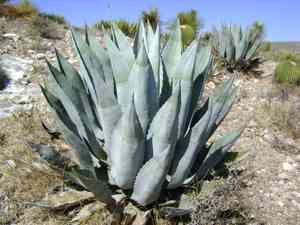
Agave asperrima flourishes when relocated in the early to mid-spring, its peak growth phase, enabling the plant to develop a robust root system prior to the intense summer temperatures. Select a bright, adequately drained location for optimal outcomes.
What Preparations are Needed Before Transplanting Rough Agave?
What is the Ideal Time for Transplanting Rough Agave?
Moving rough agave in early to mid-spring is optimal. This timing allows the plant to establish its root system prior to summer heat, ensuring vigorous development and improved survival rates. Early-season conditions typically offer ideal soil moisture and milder temperatures, which aid the plant's adjustment to its new setting.
How Much Space Should You Leave Between Rough Agave Plants?
Ensure rough agave are positioned approximately 3-5 feet (1-1.5 meters) apart to provide sufficient room for growth. This spacing promotes good air circulation and prevents overcrowding.
What is the Best Soil Mix for Rough Agave Transplanting?
Prepare a well-draining soil mixture for rough agave by combining sandy soil with a small amount of compost for nutrients. Incorporating a base fertilizer suitable for succulents can help stimulate initial growth.
Where Should You Relocate Your Rough Agave?
Select a location where rough agave can receive full sunlight, a minimum of 6-8 hours daily. They flourish best in bright, sunny spots, which helps them maintain their attractive form.
What Equipments Should You Prepare Before Transplantation Rough Agave?
Gardening Gloves
To safeguard your hands while handling soil and the plant.
Shovel or Spade
For excavating and extracting the plant from its original spot.
Trowel
Useful for digging smaller holes when relocating from containers or seedling trays.
Pruning Shears
To trim any damaged roots or foliage.
Wheelbarrow
Assists in transporting the plant and soil.
Watering Can or Hose
For hydrating the plant before and after relocation.
Mulch
To help retain soil moisture after transplanting.
How Do You Remove Rough Agave from the Soil?
How Do You Remove Rough Agave from the Soil?
From Ground: First, water the rough agave plant to moisten the soil. Then, dig a wide trench around the plant using a shovel or spade, ensuring the plant's root ball remains undisturbed. Carefully work the spade beneath the root ball to lift the plant from its initial position.From Pot: Water the rough agave plant thoroughly to loosen the soil. Turn the pot on its side and gently tap or squeeze the edges to release the plant. Carefully slide the plant out while supporting its base.From Seedling Tray: Water the rough agave plant well to facilitate its removal. Use a trowel to gently lift each seedling from the tray, taking care to keep the root ball intact.
Step-by-Step Guide for Transplanting Rough Agave
Prepare the Transplant Site
Clear the area of any weeds and debris. Dig a hole that is twice the width and depth of the rough agave's root ball.
Remove the Plant
Follow the removal process described based on whether the plant is in the ground, a pot, or a seedling tray.
Inspect the Plant
Examine the rough agave's roots and trim any damaged ones with pruning shears.
Place the Plant
Set the rough agave in the prepared hole at the same depth it was growing in its original location. Fill the hole with soil and gently firm it around the base.
Water the Plant
Water the rough agave thoroughly to help settle the soil and eliminate air pockets.
How Do You Care For Rough Agave After Transplanting?
Watering
Keep the soil around the rough agave consistently moist, but not waterlogged, for the first few weeks after transplanting to help establish strong roots.
Mulching
Apply a layer of mulch around the base of the rough agave to help retain soil moisture and regulate temperature.
Monitoring
Regularly check the rough agave for signs of stress such as wilting or yellowing leaves and adjust care as needed.
Troubleshooting Common Issues with Rough Agave Transplantation.
When is the best time to transplant rough agave?
The ideal time to relocate rough agave is during early to mid-spring for better establishment.
How much space should I leave between each rough agave?
Ensure to space each rough agave 3-5 feet (0.9-1.5 meters) apart to allow proper growth.
What's the first step in transplanting rough agave?
The initial step is preparing a new site with well-draining soil and adequate sunlight.
How deep should the hole be when transplanting rough agave?
Dig a hole slightly larger than the root ball, typically 10-12 inches (25-30 cm) deep.
How do I safely remove rough agave from its current location?
Gently dig around the plant, loosen roots, and lift it using a garden spade or trowel.
What should I do if the roots of rough agave are damaged during transplanting?
Trim any damaged roots with clean scissors and ensure the cut surfaces are smooth for healing.
How should I water rough agave after transplanting?
Water rough agave thoroughly after transplanting to settle the soil and eliminate air pockets.
What to do if rough agave shows signs of transplant shock?
Keep the soil consistently moist but not soggy and avoid fertilizing until it recovers.
How much sunlight does rough agave need at the new location?
Rough agave prefers full sun or partial shade, so choose a site with at least 6 hours of sunlight.
How to handle large rough agave plants during transplanting?
For larger rough agave, get help to lift and move the plant to avoid root damage or injury.



