How to Propagate Rough agave?
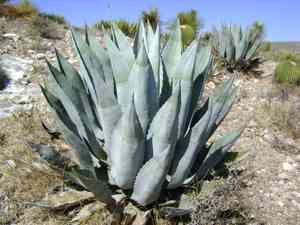
Reproducing rough agave requires delicate management of its offshoots, which commonly emerge near the base. Carefully detach these young plants from the main specimen, making sure they possess some root development. After separation, allow any severed sections to harden for several days to deter decay, then place the offshoots in a substrate that drains effectively. Provide minimal water until fresh development takes hold.
Optimal Timing for Rough Agave Propagation
Propagation Type
Division
Propagation Season
Spring,Autumn
Tools for Rough Agave Propagation
Spade or Garden Fork
Utilized to carefully excavate around rough agave for lifting it from the ground for separation. These implements aid in loosening the earth without harming the root system.
Sharp Knife or Pruning Shears
Crucial for detaching offsets or pups from the parent plant. A sharp, sanitized blade ensures clean cuts, minimizing infection risk and promoting faster healing.
Gloves
Protective handwear is essential when handling rough agave due to its sharp edges and spines. They prevent injuries and enable safe manipulation of the plant.
Rooting Hormone
Application of rooting hormone to the severed ends of divisions can boost root formation. This is particularly advantageous for ensuring successful establishment of new plants.
Planting Containers
Used for potting divisions in well-draining soil. Containers facilitate easier monitoring of newly propagated plants until they are robust enough for their permanent location.
Sterile Potting Mix
A well-draining, sterile potting medium is vital for rough agave to prevent rot and offer an ideal growing environment for new divisions.
Watering Can with Fine Rose
Ensures gentle irrigation for newly potted divisions. Overhead watering can be too harsh, so a fine rose attachment helps deliver a controlled water amount.
How to Propagate Rough Agave?
Propagation Type
Easy
Caring for Your Newly Propagated Rough Agave
Caring for Your Newly Propagated Rough Agave?
Post-propagation, position rough agave in a spot with bright, indirect light, gradually moving it to more direct sunlight as it adapts. Ensure the soil remains well-draining and avoid overwatering, allowing the soil to dry between waterings. Fertilize sparingly, if at all, and shield the plant from extreme cold. Monitor for any pest or disease signs, treating promptly if needed. Rough agave prefers a warm climate but can endure various temperatures once established.
Common Errors to Avoid When Propagating Rough Agave
Overwatering
Excessive moisture can lead to root rot, which is detrimental to rough agave. This plant requires well-draining soil to flourish.
Improper Soil Mix
Using standard potting soil without amendments can retain too much moisture, resulting in poor root development.
Inadequate Light
Placing rough agave in low-light conditions can hinder its growth and vigor. Bright, indirect light is crucial.
Over-fertilization
Excessive fertilizer application can burn roots and cause nutrient imbalances, harming rough agave's overall health.
Incorrect Division
Damaging rhizomes or offsets during division can impede successful propagation and stress rough agave.
Lack of Patience
Anticipating rapid growth or propagation can lead to premature interventions that disrupt the plantâs natural processes.
Tips For Propagating Rough Agave
Use Well-Draining Soil
Combine sand or perlite with cactus soil to ensure proper drainage and prevent root rot.
Water Sparingly
Allow the soil to completely dry out between waterings to mimic rough agave's natural arid environment.
Provide Adequate Light
Position rough agave where it can receive at least 6 hours of bright, indirect sunlight daily.
Gentle Handling
When separating offsets, use a sharp, sterilized knife to minimize damage and reduce infection risk.
Monitor Humidity
Maintain low environmental humidity levels, as rough agave thrives in dry conditions.
Rooting Hormone
Apply a rooting hormone to cuts during propagation to enhance root development and increase success rates.



