How to Transplant Slender false foxglove?
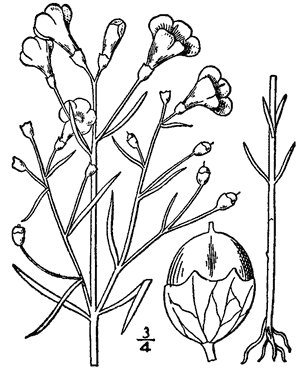
The most favorable period for transplanting slender false foxglove spans from the refreshing onset of early spring through its concluding stages. It flourishes in partially shaded environments, requiring damp, adequately draining earth for its root system. A gentle caution: handle with tenderness, respecting its fragile constitution.
What Preparations are Needed Before Transplanting Slender False Foxglove?
What is the Ideal Time for Transplanting Slender False Foxglove?
The best period to introduce slender false foxglove to your garden spans from the beginning of spring's warmth until its gentle decline. Giving your slender false foxglove a start during this timeframe ensures it fully utilizes the upcoming growing season. Placing slender false foxglove in their new home within this revitalizing window allows them to develop strong roots before the peak of summer, guaranteeing a thriving presence.
How Much Space Should You Leave Between Slender False Foxglove Plants?
When arranging your slender false foxglove seedlings, aim for a spacing that provides ample room for each plant to thrive. An optimal distance is between 12 inches (30 cm) and 3 feet (91 cm). This will guarantee they have sufficient area to grow without competing for resources.
What is the Best Soil Mix for Slender False Foxglove Transplanting?
Prepare a well-draining soil, rich in organic material, for your slender false foxglove. If possible, incorporate some compost or a balanced slow-release fertilizer to give your plants a healthy start. Ensure the soil is loose and crumbly to promote good root development.
Where Should You Relocate Your Slender False Foxglove?
Select a sunny location for your slender false foxglove as they flourish in areas receiving full sunlight. A minimum of 6 hours of direct sun daily is ideal for robust growth and optimal health. Avoid excessively shaded spots to prevent stunted development.
What Equipments Should You Prepare Before Transplantation Slender False Foxglove?
Gardening Gloves
To safeguard your hands while handling soil and plants.
Shovel or Garden Trowel
For digging and moving earth.
Watering Can or Hose
To hydrate the plant before and after the relocation process.
Garden Fork
To help aerate the soil surrounding the root system of slender false foxglove.
Pruning Shears
For trimming any damaged roots or foliage.
Wheelbarrow or Garden Cart
To transport the plant and soil if needed.
How Do You Remove Slender False Foxglove from the Soil?
How Do You Remove Slender False Foxglove from the Soil?
From Ground: First, moisten the slender false foxglove plant to dampen the soil. This will facilitate digging and help protect the root system during the move. Next, use a shovel or spade to dig a wide circle around the plant, being careful not to cut any vital roots. Gently work the shovel beneath the root ball, using your hands to support the plant as you lift it from the ground.From Pot: Water the slender false foxglove thoroughly until the soil is moist. Then, place your hand on the soil surface with the plant stem between your fingers. Invert the pot and tap the bottom to dislodge the plant. Carefully pull the plant out, supporting the root mass to prevent damage. If the plant resists, you might need to cut the pot away.From Seedling Tray: Water the seedlings to ensure the soil is damp. Carefully loosen the soil around the desired slender false foxglove seedling using a garden trowel or a small stick. Support the seedling by its leaves rather than the stem as you gently lift it out. Try to keep as much soil around the roots as possible.
Step-by-Step Guide for Transplanting Slender False Foxglove
Prepare the New Site
Start by ensuring the new location is ready for the slender false foxglove plant. Dig a hole as deep as the root ball and two to three times wider. Loosen the soil at the bottom of the hole with a garden fork.
Root Inspection and Pruning
Gently remove any dead or broken roots from the slender false foxglove's root ball using pruning shears. Be careful not to cut any healthy, essential roots.
Placement in the New Site
Position the slender false foxglove plant in the center of the hole. The top of the root ball should be level with the surrounding ground. Adjust the hole's depth if necessary.
Backfilling the Hole
Carefully refill around the root ball with the excavated soil, ensuring no air pockets remain. Gently firm the soil as you go, but avoid excessive compaction.
Water Thoroughly
Water the slender false foxglove plant deeply after planting to settle the soil and provide moisture to the roots. This step helps reduce transplant shock and encourages quick recovery.
How Do You Care For Slender False Foxglove After Transplanting?
First Watering
After transplanting, provide your slender false foxglove plant with ample water to help establish its root system. Keep the soil consistently moist but not waterlogged for the initial few weeks.
Mulching
Apply a layer of mulch around the base of slender false foxglove to help retain soil moisture and regulate soil temperature. Ensure the mulch is kept a few inches away from the plant's stem.
Monitoring
Observe the plant closely for the first few weeks for any indications of stress, such as wilting leaves or discoloration. Prompt action can help your slender false foxglove recover from any transplant shock.
Support Structures
If the slender false foxglove plant appears to struggle with standing upright, consider gently staking it or using supports. However, this is typically not required for slender false foxglove unless its condition suggests otherwise.
Troubleshooting Common Issues with Slender False Foxglove Transplantation.
When's the best time to transplant slender false foxglove?
Optimal transplanting for slender false foxglove is from early to late spring, ensuring the plant settles before summer.
What's the ideal spacing for slender false foxglove during transplanting?
Space plants nicely, ranging from 12 inches (30 cm) to 3 feet (91 cm) apart.
How do I prepare the soil for slender false foxglove transplanting?
Enrich the soil with organic matter, ensure it's well-draining, and slightly acidic to neutral pH.
How can I ensure slender false foxglove roots well after transplanting?
Water the soil immediately after transplanting and maintain consistent moisture without waterlogging.
Why are my transplanted slender false foxglove plants wilting?
Wilting could be from transplant shock. Minimize disturbance to roots and water regularly.
How deep should I plant slender false foxglove seedlings?
Transplant slender false foxglove seedlings to the same depth they were in the previous container.
Can I fertilize slender false foxglove right after transplanting?
It's better to wait a few weeks before fertilizing to avoid burning tender roots.
What signs indicate successful slender false foxglove transplant?
New growth, such as leaves or stems, is a great sign of successful transplanting.
Should I prune slender false foxglove when transplanting?
Pruning isn't necessary during transplant. Focus on the roots settling in the new location.
How much sun exposure does transplanted slender false foxglove need?
Place slender false foxglove in a spot with full sun to partial shade for thrivin



