How to Prune Slender false foxglove?
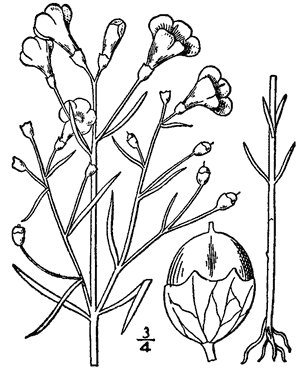
This delicate, herbaceous plant, characterized by its trumpet-shaped blossoms and slender stalks, thrives with judicious trimming to preserve its form and stimulate flower production. Pruning is recommended in the spring to eliminate any lifeless or frail stems, during the summer to remove faded blooms, and in the autumn to cut back any overly vigorous development. Strategic pruning fosters robust foliage and optimizes its capacity to flower. It is crucial to avoid excessive cutting, as this could diminish the plant's vitality and hardiness.
What Are the Benefits of Pruning Slender False Foxglove?
What Are the Benefits of Pruning Slender False Foxglove?
Trimming slender false foxglove promotes robust development and helps maintain its desired form. Strategic cuts can revitalize the plant, ensuring energy is directed towards producing healthy foliage and potentially more blossoms.
What Is the Best Time for Pruning Slender False Foxglove?
What Is the Best Time for Pruning Slender False Foxglove?
Pruning slender false foxglove from late spring through summer aligns with its post-flowering phase. At this point, slender false foxglove's growth cycle has advanced sufficiently to support recovery from trimming, preventing the plant from diverting energy from blooming. Furthermore, removing faded flowers or thinning dense growth improves air circulation and can foster a healthier plant by reducing the risk of fungal diseases common in the moist conditions of autumn.
What Tools Do I Need to Prune Slender False Foxglove?
Bypass Pruners
These pruners are perfect for making clean cuts on slender false foxglove's delicate stems without crushing plant tissue, which is crucial for the plantâs recovery after trimming.
Gardening Shears
For shaping and preserving the overall look of slender false foxglove, gardening shears are easy to use and suitable for trimming softer foliage.
Pruning Scissors
These scissors can be utilized for more precise tasks, such as snipping off dead or diseased flowers of slender false foxglove, and for detailed shaping due to their accuracy and control.
How to Prune Slender False Foxglove
Cleaning tools
Before trimming slender false foxglove, ensure all pruning implements are clean and sharp to prevent introducing disease and guarantee precise cuts.
Identifying withered leaves
Locate the withered leaves on slender false foxglove, which are typically brown, dry, and may appear crumpled.
Pruning withered leaves
Using your pruning shears, carefully snip off the withered leaves at their base, taking care not to harm the stems or adjacent healthy leaves.
Disposal
Remove and discard the withered leaves away from slender false foxglove to prevent potential disease spread.
Monitoring
After trimming, observe slender false foxglove regularly for new growth and any signs of distress, addressing them promptly to maintain plant vitality.
Common Pruning Mistakes with Slender False Foxglove
Overpruning
Removing too much of slender false foxglove's foliage can weaken the plant, disrupt its natural development, and diminish its blooming capacity.
Cutting at wrong angle
Trimming slender false foxglove with cuts that are too steep can expose more plant tissue than necessary, increasing the risk of disease and pest infestation.
Using dull tools
Blunt pruning tools can lead to ragged cuts that damage slender false foxglove and impede its healing process, potentially causing health issues.
Pruning healthy blooms
Accidentally cutting off healthy blossoms or buds of slender false foxglove can significantly reduce the season's floral display.
Ignoring diseased areas
Failing to remove diseased or dead tissue can allow infections to spread throughout slender false foxglove, compromising its overall well-being.
Neglecting tool hygiene
Not cleaning and sanitizing pruning tools can inadvertently transmit disease between slender false foxglove plants or other species in the garden.
Lack of plant understanding
Insufficient knowledge about slender false foxglove's growth habit and flowering can result in improper pruning practices, negatively impacting the plant's health and appearance.
Common Pruning Tips for Slender False Foxglove
Selective thinning
Remove only the necessary parts of slender false foxglove, focusing on thinning out overly dense areas to improve air circulation and light penetration.
Sharp clean cuts
Utilize sharp and clean tools to make precise cuts, which helps slender false foxglove recover faster and reduces the likelihood of diseases.
Prune spent blooms
Deadheading, or removing faded flowers, encourages slender false foxglove to produce more blossoms and can extend the blooming period.
Shape maintenance
Gently shaping slender false foxglove can create an appealing aesthetic while promoting growth; however, be careful not to alter its natural form too drastically.
Disease management
Regularly inspect slender false foxglove for signs of disease or pest damage, and promptly trim away affected areas to maintain plant health.
Prune for rejuvenation
Occasionally, slender false foxglove may benefit from more aggressive trimming to revitalize an older plant, but this should be done with an understanding of the plant's reaction to such treatment.
Tool sanitation
Sanitize pruning tools before and after use on slender false foxglove to minimize the risk of spreading pathogens that can harm the plant.



