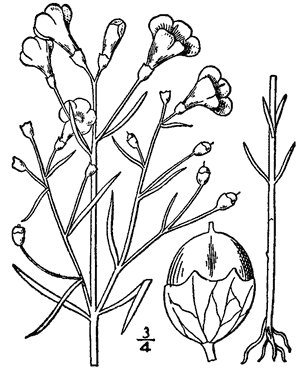
Slender false foxglove (Agalinis tenuifolia)
Also known as: Common gerardia, Slender gerardia
The Slender false foxglove (Agalinis tenuifolia) is classified as a hemiparasitic plant. This means it can photosynthesize and produce its own food, but it also relies on attaching to the roots of other plants to obtain water and essential nutrients. Additionally, it serves as a common food source for the larvae of the common buckeye butterfly.
In This Article
Attributes of Slender false foxglove
Lifespan
Annual, Perennial
Plant Type
Herb
Plant Height
30 cm to 91 cm
Spread
15 cm to 30 cm
Leaf Color
Green Red Purple Lavender
Flower Size
2.5 cm
Flower Color
Pink Purple Red Lavender
Images of Slender false foxglove
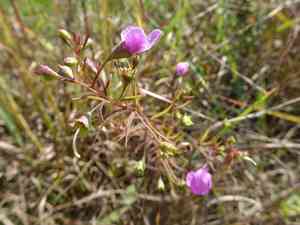
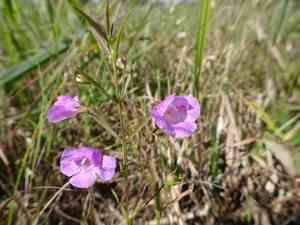
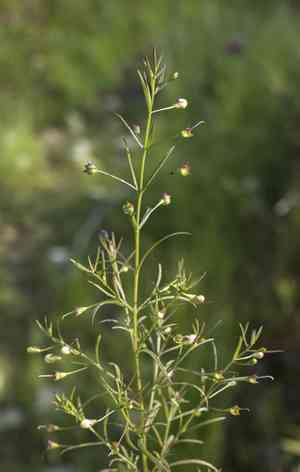
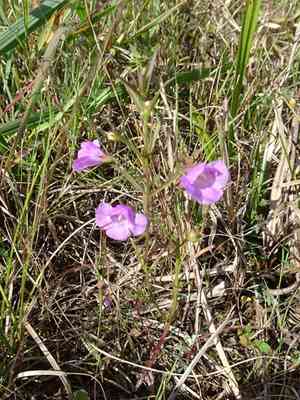
Quickly Identify Slender false foxglove
1
Slender foliage and delicate stature
2
Purple-pink bell to funnel-shaped flowers
3
1/4 inch shiny globular fruit capsule
4
Simple linear leaves with purple-red hue
5
Angled stem with narrow ridges, color variability
Scientific Classification of Slender false foxglove
Phylum
Vascular plants
Class
Dicotyledons
Order
Lamiales
Family
Broomrape
Genus
False foxgloves
Species
Slender false foxglove
Planting and Growing of Slender false foxglove
Care Difficulty
Easy
Watering Schedule
Every 3 days
Sunlight Requirements
Full sun
Sunshine Duration
4-8 hours
Ideal Temperature
65-75℉
Soil Type
Potting Mix, Peat Mix
Soil pH
6.5-7.5
Fertilizer Type
Balanced
Pruning Season
Spring, Summer
Pruning Area
Branches, Leaves
Pruning Frequency
2 times a year
Repotting Season
Spring
Pot Type
Plastic, Ceramic
 How to Water Slender false foxglove?
Agalinis tenuifolia requires a moderate amount of water to thrive. The goal is to keep the soil slightly moist but not waterlogged. Ensure about 200ml of water per session, allowing the soil to absorb and excess to drain.
What are the symptoms of an underwatered Slender false foxglove?
›
What should I do if my Slender false foxglove is not getting enough water?
›
What are the symptoms of an overwatered Slender false foxglove?
›
How to save an overwatered Slender false foxglove?
›
 What Are the Sunlight Requirements for Slender false foxglove?
Ideal light range for Agalinis tenuifolia is full sun to partial sun. This range ensures it receives enough energy for optimal growth and flowering, enhancing its ornamental and ecological value.
More About Sunlight Requirements Techniques→
What is the ideal light exposure for Agalinis tenuifolia?
›
How can I ensure my plant gets the right amount of light?
›
What are the benefits of providing the ideal light for Agalinis tenuifolia?
›
 What Is the Ideal Temperature Range for Slender false foxglove?
The ideal temperature range for growing Agalinis tenuifolia is between 65°F and 75°F. These temperatures provide the optimal conditions for photosynthesis and enzymatic activities, resulting in healthy growth and flowering.
 What Soil is Best for Slender false foxglove?
Agalinis tenuifolia thrives in well-drained soils, which help prevent waterlogging and root rot. Well-drained soils ensure adequate oxygen reaches the roots, promoting healthy growth and robust flowering. This plant prefers sandy soil due to its excellent drainage and lighter texture. Sandy soils warm up quickly in the spring and are easy to work with, supporting early root development and establishment. While Agalinis tenuifolia can tolerate poorer soils, adding organic matter or compost can significantly enhance its growth by providing essential nutrients that encourage a more vibrant bloom.
 How to Fertilize Slender false foxglove?
For Agalinis tenuifolia, a light touch is best when it comes to fertilization. Use a low-concentration, balanced fertilizer. Dilute liquid fertilizers to half of the recommended strength. Too much fertilizer can lead to nutrient burn, inhibiting the plant's growth.
 How to Prune Slender false foxglove?
Start by carefully identifying and cutting away any dead or diseased stems at their base. This helps prevent disease transmission and encourages healthy growth. Dispose of the removed plant material in a way that does not spread diseases to other plants. Lightly trim back the plant to maintain its natural shape and size. Focus on cutting back overgrown stems, but avoid excessive pruning which can stress the plant. This will help the plant redirect its energy to healthy growth in the spring.
More About Pruning Techniques→
 How to Propagate Slender false foxglove plant?
1
Fill a seed tray with a fine-textured seed-starting mix. Ensure the mix is lightly moist before sowing the seeds to create an ideal environment for germination.
2
Evenly sprinkle Agalinis tenuifolia seeds over the surface of the prepared seed tray. Gently press the seeds into the mix but avoid covering them, as light aids their germination.
3
Use a fine mist spray bottle to keep the seeds damp. It's crucial to maintain consistent moisture without making the soil soggy to encourage optimal seedling development.
 How to Repot Slender false foxglove plant?
1
Look for indicators such as stunted growth, roots emerging from drainage holes, or compacted soil. Spring and Autumn are ideal as the gentle temperatures and increased growth activity help minimize transplant shock.
2
Select a pot that is slightly larger than the current one, with ample drainage holes. This aids in preventing root rot by allowing excess water to escape, supporting healthier plant growth.
3
Opt for a well-draining sandy soil mix. This soil type mimics the plant's natural habitat, ensuring proper root aeration and reducing the risk of overwatering problems.



