How to Transplant Stiffleaf false foxglove?
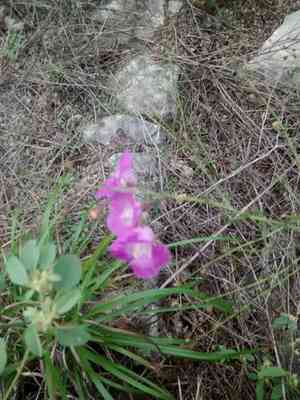
Stiffleaf false foxglove flourishes optimally when relocated in the revitalizing period of early spring. It favors bright, adequately drained environments. To achieve superior outcomes, guarantee steady hydration throughout the initial settling phase.
Essential Preparations Before Relocating Stiffleaf False Foxglove
Optimal Period for Moving Stiffleaf False Foxglove?
The best season for relocating stiffleaf false foxglove is early spring. This timing ensures the ground has thawed and provides ample moisture, fostering strong root development. Transplanting now capitalizes on prime growing conditions, lessening shock and promoting healthy growth of the annual plant before summer's heat.
Recommended Spacing Between Stiffleaf False Foxglove Specimens?
For your stiffleaf false foxglove, ensure each plant is positioned approximately 12-18 inches (30-45 cm) apart. This provides sufficient room for growth and flourishing without excessive competition for nutrients and water.
Ideal Soil Blend for Stiffleaf False Foxglove Relocation?
Prepare soil that drains effectively. Incorporate a foundational fertilizer low in nitrogen but rich in phosphorus and potassium. This will encourage robust root growth, which is crucial for stiffleaf false foxglove.
Preferred Location for Your Stiffleaf False Foxglove?
Stiffleaf false foxglove flourishes in full sun. Select a garden spot that receives a minimum of 6-8 hours of direct sunlight daily to ensure the plant achieves its maximum potential.
Tools Required Before Moving Stiffleaf False Foxglove?
Gardening Gloves
To safeguard your hands while handling soil and the plant.
Hand Trowel
Useful for excavating small holes and loosening earth around roots.
Shovel or Spade
For digging a sufficiently sized hole in the ground for the relocation.
Watering Can or Hose
For hydrating the plant during and after its transfer.
Method for Extracting Stiffleaf False Foxglove from its Current Location?
Method for Extracting Stiffleaf False Foxglove from its Current Location?
From Ground: First, moisten the soil surrounding the stiffleaf false foxglove to facilitate digging. Using a shovel or spade, excavate a wide trench around the plant to keep the root ball intact. Carefully work the spade beneath the root ball and gently lift the plant from the soil.From Pot: Water the stiffleaf false foxglove in its container to loosen the soil. Turn the pot sideways and gently tap the base to dislodge the root ball. Carefully slide the plant out, supporting the stem's base.From Seedling Tray: Water the seedlings until the soil is damp. Use a hand trowel or your fingers to carefully loosen the soil around each seedling. Gently lift the seedlings by their leaves, not the stem, to prevent damage.
Step-by-Step Guide for Relocating Stiffleaf False Foxglove
Site Preparation
Select a spot that meets the sunlight and spacing needs for stiffleaf false foxglove. Prepare the area by removing weeds and loosening the soil. Dig a hole that is twice the width and the same depth as the plant's root ball.
Planting Depth
Ensure the hole you dig is no deeper than the root ball of stiffleaf false foxglove, to prevent the stem from being buried too deeply, which could lead to rot.
Plant Placement
Position the stiffleaf false foxglove in the hole, ensuring it is upright and its roots are naturally spread. The top of the root ball should be level with the surrounding soil surface.
Backfill and Firm
Refill the hole with the original soil, gently pressing it down to eliminate any air pockets that could dry out the roots. Confirm the plant is stable and standing erect.
Watering
Thoroughly water the newly relocated stiffleaf false foxglove to help settle the soil around its roots. Ensure the soil is saturated but avoid waterlogging.
Mulching
Apply a layer of mulch around the plant's base to help retain moisture and suppress weeds. Avoid piling mulch directly against the stem.
Post-Transplant Care for Stiffleaf False Foxglove?
Watering
Keep the soil around the stiffleaf false foxglove consistently damp, but not waterlogged, for the initial few weeks after transplanting to aid in strong root establishment.
Monitoring
Regularly inspect the plant for any indications of transplant shock, such as wilting or yellowing foliage, and water as necessary.
Support
If the plant is tall or slender, consider providing a stake for support as it establishes and grows in its new location.
Fertilization
After a few weeks, consider applying a balanced fertilizer to encourage healthy growth, but avoid over-fertilizing, which can stress the plant.
Resolving Common Issues with Stiffleaf False Foxglove Relocation.
When is the best time to transplant stiffleaf false foxglove?
The ideal period to move stiffleaf false foxglove is early spring when the ground warms.
What spacing should be used between plants?
Space stiffleaf false foxglove plants 12-18 inches (30-45 cm) apart to allow for growth.
How should the soil be prepared for transplanting?
Ensure well-draining soil, enriched with compost to provide necessary nutrients for stiffleaf false foxglove.
How much water does stiffleaf false foxglove need after transplanting?
Water stiffleaf false foxglove thoroughly after transplanting, maintaining moist soil without waterlogging.
What sunlight conditions are best for stiffleaf false foxglove?
Stiffleaf false foxglove thrives in full sun, requiring at least 6 hours of sunlight daily.
How to avoid transplant shock for stiffleaf false foxglove?
Minimize root disturbance, water well, and avoid transplanting during the hottest parts of the day.
Should I fertilize stiffleaf false foxglove after transplanting?
Apply a balanced, slow-release fertilizer sparingly to support stiffleaf false foxglove's growth post-transplant.
Can stiffleaf false foxglove be transplanted in the fall?
Transplanting in fall isn't ideal due to stiffleaf false foxglove's annual nature and upcoming frost risks.
What size should the transplant hole be?
Dig a hole at least twice the size of the root ball for stiffleaf false foxglove.
How to handle transplanting on windy days?
Protect stiffleaf false foxglove from wind by using temporary windbreaks or transplanting on calmer days.



