How to Propagate Stiffleaf false foxglove?
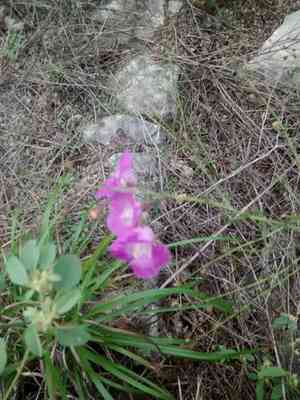
To multiply stiffleaf false foxglove, utilize newly harvested seeds scattered directly atop the soil, as illumination is crucial for their sprouting. Verify that the planting substrate drains effectively to avert root decay. Apply water sparingly to maintain uniform soil dampness without saturation. A warm setting will foster enhanced development. Since stiffleaf false foxglove flourishes in disrupted locales, replicate these circumstances for peak results.
Optimal Period for Stiffleaf False Foxglove Propagation
Propagation Method
Sowing
Propagation Period
Spring
Tools Required for Stiffleaf False Foxglove Propagation
Seed Trays
Seed trays are crucial for initiating stiffleaf false foxglove seeds. They offer a controlled setting where seeds can sprout more effectively. The tray compartments secure seeds and ensure ample growth space without competition.
Humidity Dome
A humidity dome covers the seed tray, creating a microclimate with elevated humidity, vital for stiffleaf false foxglove's germination. This prevents seeds from drying out and provides necessary warmth for optimal development.
Seed Starting Mix
A premium seed starting mix is essential for stiffleaf false foxglove. This blend is typically sterile, light, and well-draining, preventing diseases and fostering robust root growth. Its fine texture ensures good seed-to-soil contact.
Water Mister
A water mister gently moistens the soil without disturbing delicate stiffleaf false foxglove seeds. Consistent moisture is crucial during early germination, and a mister aids in even water application.
Grow Lights
Grow lights provide a steady light source, especially when starting stiffleaf false foxglove indoors or in low-light conditions. They ensure seedlings receive sufficient light for photosynthesis, supporting strong, healthy growth.
Heat Mat
A heat mat beneath seed trays provides bottom heat, beneficial for stiffleaf false foxglove's seed germination. Maintaining consistent soil temperature can accelerate germination and promote uniform growth.
Plant Labels
Plant labels are vital for tracking stiffleaf false foxglove seeds. Labeling helps identify plant species and monitor growth progress, ensuring proper care at each stage.
Hand Trowel
A small hand trowel is useful for transplanting stiffleaf false foxglove seedlings when they are ready for a larger container or garden bed. It helps carefully lift seedlings without root damage.
How to Propagate Stiffleaf False Foxglove
Propagation Difficulty
Easy
Caring for Your Newly Propagated Stiffleaf False Foxglove
Caring for Your Newly Propagated Stiffleaf False Foxglove
Post-germination and transplanting, ensure stiffleaf false foxglove gets ample sunlight, ideally in a spot mimicking its natural habitat. Water moderately, letting the soil dry slightly between waterings. Fertilize sparingly with a balanced, diluted fertilizer during the growing season. Regularly check for pests and diseases, and remove dead or damaged foliage to encourage healthy growth.
Common Errors to Avoid When Propagating Stiffleaf False Foxglove
Overwatering
Excessive moisture can cause root rot, impairing the plant's nutrient absorption and ultimately leading to its demise.
Using Heavy Soil
Dense, compacted soil can lead to drainage issues and suffocate roots, hindering proper development.
Improper Light Exposure
Placing the plant in either too much shade or direct sunlight can stress it, reducing its chances of successful propagation.
Incorrect Seed Depth
Planting seeds too deep or too shallow can impact germination rates, leading to poor establishment.
Tips For Propagating Stiffleaf False Foxglove
Well-Draining Soil
Utilize a light, well-draining soil mix to prevent waterlogging and ensure roots receive oxygen.
Moderate Watering
Maintain consistent soil moisture without overwatering to support healthy root development.
Appropriate Light
Provide bright, indirect light to emulate the natural habitat and foster optimal growth conditions.
Proper Seed Placement
Plant seeds at the correct depth, typically just beneath the soil surface, to encourage successful germination.



