How to Transplant Alpine goutweed?
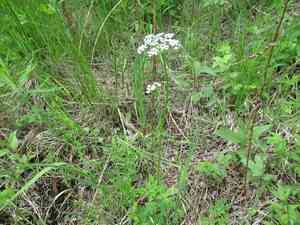
For alpine goutweed, the ideal period for transplanting spans from the early spring thaw to the onset of early summer's warmth, facilitating strong root development. Opt for locations that are shaded and damp, and amend the soil for optimal outcomes. Exercise caution during handling to safeguard fragile roots.
Preparations Required Before Relocating Alpine Goutweed
Optimal Period for Relocating Alpine Goutweed
For alpine goutweed, the best time for moving is from early spring's awakening until the start of summer's warmth. This timeframe offers ample opportunity for alpine goutweed's root system to settle in its new spot before intense summer heat or autumn cold, ensuring a strong beginning. Transplanting early in the season takes advantage of moist soil from spring thaws and increasing daylight, fostering vigorous root growth and adaptation for alpine goutweed. This leads to a robust, resilient plant prepared for future seasons.
Recommended Spacing Between Alpine Goutweed Plants
When planning to move your alpine goutweed, begin by positioning them approximately 12-18 inches (30-46 cm) apart. This will provide each plant sufficient room to thrive without crowding adjacent plants.
Ideal Soil Blend for Alpine Goutweed Relocation
Your alpine goutweed will flourish in well-draining soil rich in organic matter. Prior to transplanting, incorporate a balanced, slow-release fertilizer to give your plants a healthy start. A soil pH near neutral is perfect for alpine goutweed.
Optimal Location for Your Alpine Goutweed
Select a site for your alpine goutweed where they will receive partial shade to shield them from intense afternoon sun. A location with filtered sunlight is ideal for promoting healthy development.
Equipment Needed Before Transplanting Alpine Goutweed
Gardening Gloves
To safeguard your hands while handling soil and plants.
Shovel or Spade
For excavating the plant and preparing the new planting site.
Garden Fork
To loosen and lift soil without harming roots.
Watering Can or Hose
To hydrate the plant before and after relocation.
Wheelbarrow
For transporting the alpine goutweed plant and soil.
Measuring Tape
To ensure correct spacing between plants during transplanting.
Pruning Shears
For trimming any damaged roots or leaves.
Tarp or Burlap
To place removed plants on and keep roots moist during transit.
How to Extract Alpine Goutweed from the Soil
How to Extract Alpine Goutweed from the Soil
From Ground: Hydrate the alpine goutweed plant to moisten the soil. Use a shovel or garden fork to dig a wide trench around the plant, ensuring the root ball remains intact. Carefully work the tool beneath the root ball to gently free the plant from the soil.From Pot: Begin by thoroughly watering the alpine goutweed plant. Turn the pot on its side, tap the bottom, and gently ease the plant out. Support the plant from its base and avoid pulling on the stems.From Seedling Tray: Dampen the soil to facilitate removal. Use a trowel or your fingers to carefully lift the seedling while supporting the root ball to prevent any root damage.
Step-by-Step Guide for Relocating Alpine Goutweed
Preparation
Ensure all necessary tools are ready. Water the alpine goutweed plant thoroughly before beginning the removal process.
Excavation
Carefully dig out the plant from its current spot, whether in the ground, a pot, or a seedling tray, preserving the root ball's integrity.
Hole Preparation
Dig a hole in the new location that is twice the width and the same depth as the alpine goutweed plant's root ball.
Planting
Position the alpine goutweed in the center of the new hole. Gently spread the roots and backfill the hole with soil, patting down firmly to stabilize the plant and remove air pockets.
Watering
Water the alpine goutweed thoroughly after transplanting to settle the soil around the roots and help minimize transplant shock.
Mulching
Apply a layer of organic mulch around the plant's base to help retain moisture and regulate soil temperature.
Post-Transplant Care for Alpine Goutweed
Watering
Water the alpine goutweed consistently to keep the soil uniformly moist until it is well-established.
Pruning
Trim any dead or damaged foliage to encourage new growth and help the plant focus on root development.
Weeding
Keep the area around the alpine goutweed free of weeds to prevent competition for nutrients and water.
Monitoring
Observe for signs of transplant shock, such as wilting or yellowing leaves, and take corrective measures if needed.
Resolving Common Issues with Alpine Goutweed Transplantation
What's the best time to transplant alpine goutweed for optimal growth?
Relocate alpine goutweed during the gentle warmth of late spring to early summer for ideal establishment.
How much space should I leave between alpine goutweed during transplantation?
Space alpine goutweed approximately 12-18 inches (30-45 cm) apart to allow them ample room to thrive.
Why are my transplanted alpine goutweed plants wilting?
Wilting may be due to root shock. Ensure they are adequately watered and check for proper soil drainage.
Can I transplant alpine goutweed during the fall?
It's best to transplant alpine goutweed during their prime growth period, between late spring and early summer, for a successful start.
How deep should the hole be for transplanting alpine goutweed?
Dig a hole as deep as the root ball and twice as wide to provide alpine goutweed with a spacious new home.
What type of soil is best for transplanting alpine goutweed?
Use fertile, well-drained soil and ensure it's not overly compacted, so alpine goutweed's roots can easily spread.
What should I do if my alpine goutweed isn't growing post-transplant?
Ensure alpine goutweed has moist soil, adequate sunlight, and check if roots were damaged during transplantation.
How can I protect alpine goutweed after transplanting on a hot day?
Provide shade with a cover and water sufficiently, especially during midday heat, to keep alpine goutweed cool and hydrated.
Is it necessary to fertilize alpine goutweed after transplanting?
Fertilizing isn't immediately crucial, but after a few weeks, a balanced feed can support alpine goutweed's growth.
How do I prevent root tangling when transplanting alpine goutweed?
Carefully spread out the roots when placing alpine goutweed in the hole, preventing entanglement for a healthy start.



