How to Prune Alpine goutweed?
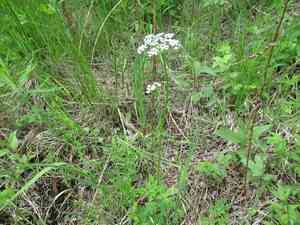
This herbaceous perennial flourishes in cooler environments, expanding through rhizomes. Trim alpine goutweed during spring to eliminate any withered leaves and encourage new development. Summer trimming ought to concentrate on managing its expansion and excising flower stems prior to seed dispersal. Strategic pruning averts rampant growth and sustains the plant's well-being. Employ sharp, sanitized shears to lessen strain and the potential for illness.
Advantages of Trimming alpine goutweed
Advantages of Trimming alpine goutweed
Trimming alpine goutweed promotes more robust development by eliminating aged or congested stems, thereby enhancing air circulation and light exposure. It helps maintain alpine goutweed's desired form and dimensions, ensuring a neat and appealing look.
Optimal Period for Trimming alpine goutweed
Optimal Period for Trimming alpine goutweed
Trimming or shaping alpine goutweed is most effective in late spring, following the final frost, when the plant begins active growth. This allows for strong recovery and shaping before the peak summer growth. Early summer pruning assists in preserving the preferred shape and size, and can prevent potential overgrowth that competes for nutrients. These periods ensure rapid healing for the plant, minimizing the chance of disease entering through cuts. Pruning before flowering during these times encourages more blooms and a healthier plant, as alpine goutweed tends to direct energy towards new growth and recuperation. Avoiding fall or winter pruning is vital, as cuts made late in the growing season have less time to mend before dormancy, increasing the risk of disease and winter damage.
Necessary Tools for Trimming alpine goutweed
Hand Pruners
For precise trimming and shaping of alpine goutweed, sharp hand pruners are indispensable. They enable clean cuts that encourage healthy regrowth.
Garden Shears
If alpine goutweed becomes thick, garden shears are perfect for removing larger sections or for shaping the plant. Their longer blades are suitable for quickly cutting through soft stems.
Hedge Clippers
For shaping and managing the growth habit of alpine goutweed, hedge clippers can help maintain a neat appearance, especially if alpine goutweed is cultivated as a border plant.
How to Trim alpine goutweed
Sanitize tools
Before beginning the trimming process for alpine goutweed, sterilize all pruning tools with a solution of one part bleach to nine parts water to prevent disease transmission.
Remove diseased parts
Carefully inspect alpine goutweed for any diseased leaves or stems. Use the sterilized pruning shears to snip off these sections at their base, ensuring a clean cut without tearing.
Trim withered leaves
Identify any withered or dead leaves on alpine goutweed, and gently remove them using your fingers or pruning shears, depending on their attachment strength, to maintain plant health and aesthetics.
Clean up
After trimming, promptly gather and dispose of all removed diseased and withered plant material from around alpine goutweed to reduce the likelihood of disease spread and pest infestation.
Sanitization
Conclude the trimming session by re-sanitizing the tools to prevent the potential transfer of pathogens to other plants in the future.
Common Trimming Errors with alpine goutweed
Excessive pruning
Removing too much growth at once can stress alpine goutweed, leading to weakened plants that are more vulnerable to pests and diseases.
Pruning too close
Cutting too near the main stems or 'collar' of alpine goutweed can harm the plant's natural healing process, potentially leading to decay.
Uneven cuts
Making rough or uneven cuts can leave alpine goutweed susceptible to infestation and disease, as these provide entry points for pathogens.
Using dull tools
Trimming alpine goutweed with dull blades can cause damage and bruising to the plant tissue, hindering healthy regrowth.
Ignoring plant structure
Failing to consider the natural shape and growth pattern of alpine goutweed can result in an unbalanced or unattractive appearance.
Pruning for size only
Focusing solely on reducing size without considering the health and vitality of alpine goutweed can lead to a weak and less resilient plant.
General Trimming Advice for alpine goutweed
Clean tools
Always use clean, sharp tools to make precise cuts that will heal quickly and minimize the risk of spreading disease to alpine goutweed.
Angled cuts
Make cuts at a 45-degree angle away from the bud to promote water runoff and prevent decay in alpine goutweed.
Consider shape
Maintain the natural shape of alpine goutweed by pruning strategically and avoiding over-trimming any one area.
Thin out
Remove any dead, diseased, or damaged stems to improve air circulation and light penetration to the inner parts of alpine goutweed.
Gradual reduction
If size reduction is necessary, do it gradually over several seasons to avoid shocking alpine goutweed and to maintain its health and appearance.
Regrowth observation
Monitor alpine goutweed's response after pruning to learn how it reacts and adjust future pruning practices accordingly.



