How to Transplant Fan maidenhair?
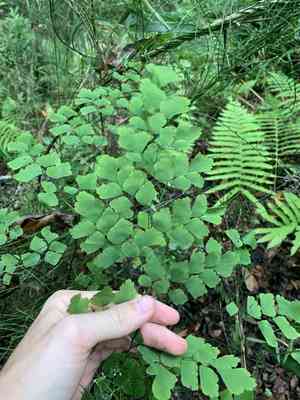
Adiantum raddianum flourishes when relocated between early and mid-spring, coinciding with its active development phase. Select a dim, damp spot featuring fertile, adequately draining earth. Guarantee shelter from strong air currents for optimal outcomes.
What Preparations are Needed Before Transplanting Fan Maidenhair?
What is the Ideal Time for Transplanting Fan Maidenhair?
For fan maidenhair, the best time for relocation is from early to mid-spring. This period offers warmer soil and moderate temperatures, aiding root establishment and development before summer's heat. Moving it during this window boosts survival rates and vigor, ensuring fan maidenhair flourishes in its new spot.
How Much Space Should You Leave Between Fan Maidenhair Plants?
When relocating fan maidenhair, position each plant 18-24 inches (45-60 cm) apart. This provides ample room for growth without competition for nutrients and water. Be sure to measure and mark your spots prior to digging any holes.
What is the Best Soil Mix for Fan Maidenhair Transplanting?
Fan maidenhair thrives in well-draining soil rich in organic matter. Incorporate compost or aged manure into the soil before planting. A balanced fertilizer, such as 10-10-10, can also be beneficial. This will aid in promoting robust root development and overall plant health.
Where Should You Relocate Your Fan Maidenhair?
Fan maidenhair flourishes in partial to full shade, avoiding direct sun that can scorch its delicate fronds. Select a location that receives filtered sunlight or morning sun with afternoon shade. This ensures the plant remains healthy and vibrant.
What Equipments Should You Prepare Before Transplantation Fan Maidenhair?
Gardening Gloves
To safeguard your hands while handling soil and plants.
Trowel
For excavating small holes and carefully managing the root ball.
Spade or Shovel
To dig a trench around the plant and for general relocation tasks.
Watering Can or Hose
To hydrate the plant before and after its move.
Mulch
To assist in moisture retention post-transplanting.
Plant Labels
To identify the new transplant site, especially when dealing with numerous plants.
Pruners
For trimming any damaged roots or foliage.
How Do You Remove Fan Maidenhair from the Soil?
How Do You Remove Fan Maidenhair from the Soil?
From Ground: First, moisten the fan maidenhair plant's soil. Then, dig a wide trench around the plant using a shovel or spade, ensuring the root ball stays intact. Carefully work the spade beneath the root ball to lift the plant from its original spot.From Pot: Thoroughly water the fan maidenhair plant before removal. Gently turn the pot on its side and tap the edges to loosen the soil. Carefully slide the plant out, taking care not to harm the roots.From Seedling Tray: Ensure the soil is damp. Use a small trowel or spoon to gently lift each seedling from the tray, keeping as much soil around the roots as possible.
Step-by-Step Guide for Transplanting Fan Maidenhair
Prepare The New Location
Select a site with appropriate sunlight conditions and ample room for growth. Ensure the soil is adequately prepared and enriched if needed.
Dig The New Hole
Excavate a hole in the new location that is twice as wide and of equal depth to the fan maidenhair plant's root ball.
Place The Plant
Gently position the fan maidenhair plant into the new hole, ensuring it is upright and at the same soil level as it was previously.
Fill The Hole
Backfill the hole around the plant with soil, pressing gently to eliminate air pockets and provide stability.
Water Thoroughly
Generously water the plant to help settle the soil around the roots and minimize transplant shock.
Add Mulch
Apply a layer of mulch around the base of the fan maidenhair plant to retain moisture and regulate soil temperature.
How Do You Care For Fan Maidenhair After Transplanting?
Watering
Keep the soil around the fan maidenhair consistently moist, but not waterlogged, for the initial weeks post-transplant to aid in strong root establishment.
Protection
If necessary, use a protective covering for the fan maidenhair during extreme weather, such as intense sunlight or cold periods.
Monitoring
Regularly inspect the plant for any indications of stress, such as wilting or yellowing leaves, and adjust care as needed.
Fertilization
After a few weeks, once the plant appears settled, you can begin a light feeding with a balanced fertilizer to support new growth.
Troubleshooting Common Issues with Fan Maidenhair Transplantation.
When is the best time to transplant fan maidenhair?
The optimal period to relocate fan maidenhair is from early to mid-spring for peak growth.
How should I space fan maidenhair when transplanting?
Space fan maidenhair 18-24 inches (45-60 cm) apart to ensure healthy development and sufficient air circulation.
How do I prepare the soil for fan maidenhair?
Enrich the soil with organic compost and ensure it drains well to support fan maidenhairâs growth.
What should I do if fan maidenhair shows transplant shock?
Maintain moist soil and provide shade to help fan maidenhair recover from transplant shock.
How deep should I plant fan maidenhair during transplanting?
Plant fan maidenhair at the same depth it was in its original container to prevent root stress.
What type of sunlight is best for newly transplanted fan maidenhair?
Fan maidenhair prefers indirect sunlight or partial shade, especially after being freshly relocated.
Should I water fan maidenhair immediately after transplanting?
Yes, thoroughly water fan maidenhair right after transplanting to help settle the soil around its roots.
How can I minimize root damage when transplanting fan maidenhair?
Handle fan maidenhair's roots gently and avoid excessive disturbance during the transplanting process.
What is the ideal soil pH for fan maidenhair?
Fan maidenhair thrives in slightly acidic to neutral soil, with a pH between 6.0 and 7.0.
Is it necessary to fertilize fan maidenhair after transplanting?
Apply a balanced, slow-release fertilizer after transplanting to support fan maidenhair as it establishes in its new location.



