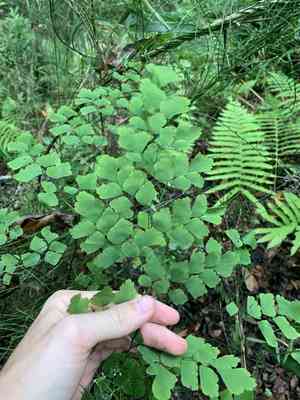
Fan maidenhair (Adiantum tenerum)
Also known as: Brittle maidenhair fern
Fan maidenhair is a delicate perennial plant with beautifully constructed feathery and glossy green fronds. It thrives in moist, shady habitats such as woodlands and streambanks. Additionally, Native Americans utilized this plant to treat numerous health conditions.
In This Article
Attributes of Fan maidenhair
Lifespan
Perennial
Plant Type
Fern
Plant Height
30 cm to 1.8 m
Spread
30-60 cm
Leaf Color
Bright green
Flower Size
N/A
Flower Color
N/A
Images of Fan maidenhair
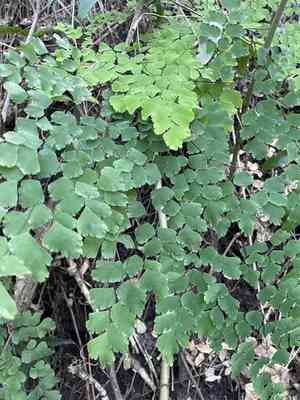
Quickly Identify Fan maidenhair
1
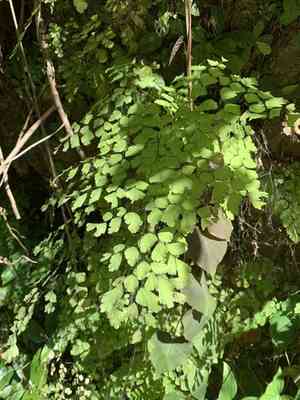
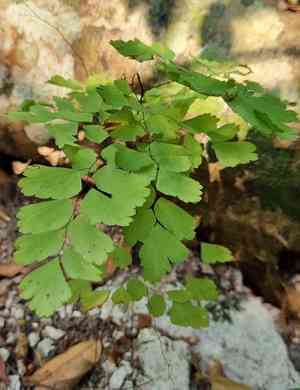
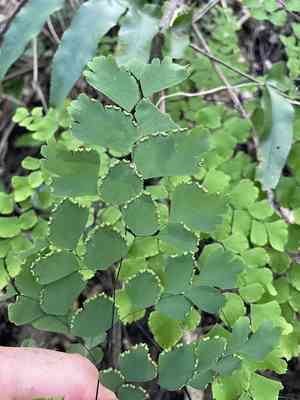
Look for delicate, fan-shaped leaflets that are finely divided. The leaflets have a glossy surface and a distinct, wiry stem. The overall appearance is airy and delicate.
Scientific Classification of Fan maidenhair
Phylum
Vascular plants
Class
Ferns
Order
Polypodiales
Family
Brake
Genus
Maidenhair ferns
Species
Fan maidenhair
Planting and Growing of Fan maidenhair
Care Difficulty
Hard
Watering Schedule
Every 8 days
Sunlight Requirements
Partial sun
Sunshine Duration
6-10 hours
Ideal Temperature
65-75℉
Soil Type
Potting Mix, Peat Mix
Soil pH
6.5-7.5
Fertilizer Type
Balanced
Pruning Season
Spring, Summer
Pruning Area
Branches, Leaves
Pruning Frequency
2 times a year
Repotting Season
Spring
Pot Type
Plastic, Ceramic
 How to Water Fan maidenhair?
Adiantum tenerum needs a careful balance when it comes to watering. You should aim to keep the soil consistently moist but not waterlogged. Apply around 200 ml of water per session, ensuring the entire root system is adequately hydrated but not swimming in excess water.
What are the symptoms of an underwatered Fan maidenhair?
›
What should I do if my Fan maidenhair is not getting enough water?
›
What are the symptoms of an overwatered Fan maidenhair?
›
How to save an overwatered Fan maidenhair?
›
 What Are the Sunlight Requirements for Fan maidenhair?
Partial sunlight and full shade provide Adiantum tenerum with optimal conditions, fostering vibrant foliage and healthy frond development while maintaining moisture and preventing leaf burn.
What is the best location for Adiantum tenerum?
›
How can you modify indoor lighting to benefit Adiantum tenerum?
›
What are the signs of optimal lighting for Adiantum tenerum?
›
 What Is the Ideal Temperature Range for Fan maidenhair?
The ideal temperature for Adiantum tenerum is between 65°F to 75°F. This range is optimal for promoting healthy growth and maintaining vibrant foliage. Temperatures within this range help ensure that the plant's metabolic functions operate efficiently, allowing it to photosynthesize effectively and retain appropriate moisture levels. Staying within this ideal temperature range also minimizes stress on the plant.
 What Soil is Best for Fan maidenhair?
Adiantum tenerum thrives in well-drained yet moisture-retentive soils. The combination of loam and peat ensures the perfect balance, allowing roots to access necessary moisture while preventing waterlogging, which can lead to root rot. The plant benefits from a nutrient-rich soil composition that loam provides, offering essential nutrients that boost its vibrant green fronds and overall health, ensuring lush growth and robust plant vitality. Good soil aeration is crucial for this fern's health. The inclusion of loamy and airy structures like peat prevents soil compaction and allows the roots to breathe, promoting healthier and faster growth.
 How to Fertilize Fan maidenhair?
For Adiantum tenerum, a light hand is required when it comes to fertilization. Use half-strength liquid fertilizer diluted in water to prevent over-fertilizing. Approximately 5 ml per liter of water is sufficient.
 How to Prune Fan maidenhair?
Start by identifying any fronds that are yellowing, browning, or have visibly wilted. These are the parts you want to remove first, as they can drain energy from the plant and inhibit the growth of new, healthy shoots. Decide how much you want to prune based on the plant's density and health. If necessary, remove only the outermost layer of fronds to allow the inner fronds more room to grow and access light. For the best results, use a clean, sharp pair of gardening scissors to make cuts as close to the base of the frond as possible. This encourages new growth and reduces unsightly stubs. After pruning, ensure that the plant is returned to an environment with favorable humidity and indirect light levels. This helps the plant recover more swiftly and promotes robust growth.
More About Pruning Techniques→
 How to Propagate Fan maidenhair plant?
1
Choose a healthy, well-established Adiantum tenerum plant with robust foliage and a strong root system. Ensure that it is free of disease or pests, as this will affect the success of the propagation process.
2
Carefully remove the plant from its pot or the ground and gently shake off excess soil. Use a sharp knife or spade to divide the root ball into sections, making sure each section has a healthy cluster of fronds and a good portion of roots.
3
Plant each division into a pot filled with well-draining potting mix. Ensure the roots are covered sufficiently and water the newly potted divisions thoroughly to help them settle in the soil.
 How to Repot Fan maidenhair plant?
1
Adiantum tenerum shows signs of needing repotting when you notice roots poking out through the drainage holes, or the plant's growth significantly slows. Early spring or autumn are ideal times as it allows the plant to settle in cooler, less stressful conditions.
2
Select a pot that is one size larger than the current one. Ensure it has adequate drainage holes to prevent waterlogging, which can lead to root rot. A slightly porous material like terracotta is beneficial, providing stability and promoting better air circulation around the roots.
3
Opt for a well-draining soil mix tailored for ferns. This typically includes ingredients like peat moss, perlite, and rich loam, which ensure moisture retention without the risk of sogginess. The right soil balance will promote healthy root growth and prevent fungal issues.



