How to Prune Fan maidenhair?
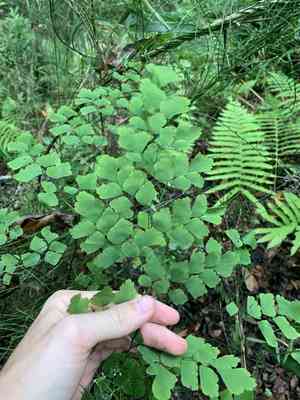
This fragile, fern-like specimen showcases unique, fan-shaped leaves. To ensure peak vitality and development, trim fan maidenhair during late winter or early spring, prior to the appearance of new foliage. Eliminate any withered or compromised fronds at their base to stimulate new development and preserve its vibrant look. Trimming not only aids in sustaining its visual charm but also deters ailments by enhancing air movement surrounding the plant. It is advisable to employ sharp, sanitized scissors or pruning tools to prevent harm to the slender stalks.
Advantages of Trimming Fan Maidenhair
Advantages of Trimming Fan Maidenhair
Trimming fan maidenhair promotes robust development and helps keep its delicate, fan-shaped leaves in an appealing shape. Regular cutting eliminates old fronds, thereby fostering healthier, denser foliage and maintaining the plant's compact and shapely form.
Optimal Period for Pruning Fan Maidenhair
Optimal Period for Pruning Fan Maidenhair
Late winter and early spring are ideal for pruning fan maidenhair as these seasons precede the plant's active growth phase. Trimming at these times minimizes stress on fan maidenhair, allowing it to recover and grow vigorously during its peak development in spring and summer. Pruning before new growth emerges ensures the plant's energy is directed towards producing healthy, fresh foliage rather than sustaining older, potentially damaged or diseased parts. Furthermore, removing dead or weak fronds at this time helps prevent diseases and pests as temperatures rise.
Essential Tools for Pruning Fan Maidenhair
Micro-Tip Pruning Snips
These small, precise cutters are perfect for fan maidenhair, which has delicate fronds and requires careful handling to prevent damage during pruning. Micro-tip snips allow for accurate cuts, helping to maintain the aesthetic appeal of fan maidenhair.
Soft Grip Floral Shears
The fine tips and sharp blades are excellent for making clean cuts on fan maidenhair's thin stems, reducing the risk of fraying or uneven cuts. Their ergonomic design ensures ease of use, especially for extended pruning sessions common with fan maidenhair.
Folding Pruning Saw
Although typically used for thicker branches, a small, folding pruning saw might be necessary if fan maidenhair's older stems become thick and woody. This tool should be used sparingly and only on mature, hardened stems to preserve the plant's health.
Steps to Prune Fan Maidenhair
Examine
Examine fan maidenhair carefully to identify any diseased or withered leaves. These leaves might show discoloration, spots, or signs of dryness and decay.
Sterilize
Sterilize your pruning tools before beginning. Use alcohol or a bleach solution to clean the blades, preventing the spread of diseases between plants.
Remove diseased
Carefully remove diseased leaves at their base, close to the central stem. Ensure not to cut into the healthy parts of fan maidenhair. Dispose of these leaves properly to prevent any disease spread.
Remove withered
Similarly, remove all withered leaves by cutting them at their base. This encourages fan maidenhair to redirect its energy towards the growth of healthy foliage.
Clean up
After pruning, clean the area around fan maidenhair to remove any fallen leaves or debris. This helps maintain a healthy and aesthetically pleasing environment for fan maidenhair.
Common Pruning Errors with Fan Maidenhair
Excessive pruning
A common error is removing too much foliage at once, which can stress fan maidenhair and impede its development. It's crucial to prune no more than 20-30% of the foliage during any pruning session.
Cutting healthy fronds
Many gardeners mistakenly cut healthy, green fronds, not realizing that fan maidenhair needs these to absorb light and nutrients effectively. This can severely impact the plant's vitality.
Incorrect tool usage
Using dull or dirty pruning tools can damage fan maidenhair's delicate fronds, leading to frayed edges and potential disease introduction. Always use sharp, clean shears or scissors.
General Pruning Advice for Fan Maidenhair
Focus on dead or damaged fronds
To promote healthy growth and maintain an attractive appearance, focus on removing any brown or dead fronds. Cut these back to the base to encourage new, healthy growth.
Sanitize tools
Before and after pruning fan maidenhair, sanitize your cutting tools with rubbing alcohol or a 10% bleach solution. This prevents the spread of disease and ensures clean cuts.
Avoid wet pruning
Prune fan maidenhair when it is dry. Wet conditions can spread diseases, especially in dense, moist environments typical of ferns. Wait for a dry, mild day to carry out your pruning activities.



