How to Transplant Rough maidenhair fern?
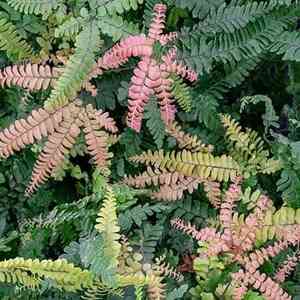
Relocate rough maidenhair fern as spring invigorates the garden, offering a mild environment for root development. Choose a shaded location with significant moisture to replicate its natural forest floor habitat. If dividing, manage the fragile fronds cautiously to avoid harm.
What Preparations are Needed Before Transplanting Rough Maidenhair Fern?
What is the Ideal Time for Transplanting Rough Maidenhair Fern?
The optimal period for relocating rough maidenhair fern is during the refreshing onset of early to mid-spring. This season, characterized by mild temperatures and gentle rainfall, offers an ideal setting, promoting strong root development before the summer heat arrives. Utilizing this timeframe not only encourages vigorous growth but also allows rough maidenhair fern to adapt smoothly, ensuring better health and more abundant foliage. A helpful tipâtransplant when spring's coolness persists, and you'll observe rough maidenhair fern flourish beautifully!
How Much Space Should You Leave Between Rough Maidenhair Fern Plants?
When moving rough maidenhair fern, ensure each plant has ample room to expand. The recommended spacing for these plants is typically 2-3 feet (60-91cm). Avoid overcrowding; these plants require space to thrive!
What is the Best Soil Mix for Rough Maidenhair Fern Transplanting?
The soil plays a crucial role for rough maidenhair fern. Opt for a rich, well-draining, compost-based soil. Provide them a head start with a foundational fertilizer, such as a balanced slow-release granular type, before planting.
Where Should You Relocate Your Rough Maidenhair Fern?
Rough maidenhair fern prefers a location with dappled sunlight or partial shade. Avoid direct, intense sun exposure as it can scorch the delicate fronds. Remember, sun patterns shift with the seasons, so choose the site carefully!
What Equipments Should You Prepare Before Transplantation Rough Maidenhair Fern?
Gardening Gloves
To protect your hands from potential cuts or abrasions while performing the transplanting task.
Shovel or Trowel
To excavate a hole matching the size of the rough maidenhair fernâs root ball in the soil of the chosen transplant site.
Pruning Shears
To trim any dead or damaged roots before placing rough maidenhair fern into the ground.
Watering Can
To thoroughly hydrate the rough maidenhair fern before, during, and after the transplanting procedure.
Mulch
To assist the soil around the rough maidenhair fern in retaining moisture and deterring weeds.
How Do You Remove Rough Maidenhair Fern from the Soil?
How Do You Remove Rough Maidenhair Fern from the Soil?
From Ground: Begin by watering the rough maidenhair fern to moisten the soil. Next, using a trowel or shovel, carefully dig around the plant, taking care not to harm the roots. Create a perimeter in the soil around the plant, leaving ample space around the root ball. Firmly slide the spade beneath the root ball and gently pry the plant from the ground.From Pot: Start by watering the rough maidenhair fern to loosen the soil, allowing for easy removal. Invert the pot while supporting the plant from its base and gently tap the pot's edges to dislodge the plant. Ensure gentle handling of the plant, focusing on the roots and not the stem or foliage.From Seedling Tray: After confirming that rough maidenhair fern has reached a size suitable for transplantation, water the seedlings thoroughly. Gently hold the seedling by its leaves and carefully lift it from the tray using a dibber or similar tool.
Step-by-Step Guide for Transplanting Rough Maidenhair Fern
Preparation
Begin by watering rough maidenhair fern in its current spot. This will facilitate easier removal of the plant from the ground.
Digging
Excavate a trench around the rough maidenhair fern with a radius approximately twice the size of its root system to prevent root damage. Then, carefully lift rough maidenhair fern from the ground.
Pre-Planting Care
Trim any damaged or deceased roots using pruning shears.
Placing the Plant
Position rough maidenhair fern into the hole. Ensure the hole is sufficiently deep and wide so that the root system is not constricted. The top of the root system should be level with or slightly below the surrounding ground.
Backfilling
Refill the hole with the excavated soil, gently firming it around the base of the rough maidenhair fern.
Watering
Water rough maidenhair fern generously after transplanting, until the soil is thoroughly saturated.
Mulching
Once the ground has settled, encircle the plant with a thin layer of mulch to aid in moisture retention and weed suppression.
How Do You Care For Rough Maidenhair Fern After Transplanting?
Watering
Keep the soil around rough maidenhair fern moist but not waterlogged. Consistent hydration is vital for the initial weeks to help the plant establish in its new location.
Pruning
If rough maidenhair fern exhibits signs of stress post-transplantation, consider trimming its leaves to reduce water loss through transpiration.
Monitoring
Regularly inspect rough maidenhair fern for any indications of diseases or pests. Keep the area around the plant free of weeds, which can compete with rough maidenhair fern for nutrients.
Temperature
As a novice, aim to transplant rough maidenhair fern during the cooler part of the day and avoid harsh sun exposure immediately after transplanting.
Troubleshooting Common Issues with Rough Maidenhair Fern Transplantation.
When is the most suitable time for transplanting rough maidenhair fern?
The ideal period to move rough maidenhair fern is during early to mid-season (S1-S2) when temperatures are moderate.
How much space should I leave between the rough maidenhair fern plants while transplanting?
For optimal growth, maintain a distance of approximately 2-3 feet (60-90 cm) between each rough maidenhair fern.
Why is my transplanted rough maidenhair fern wilting?
Wilting may be due to transplant shock. Keep the soil moist and avoid extreme temperatures to allow the rough maidenhair fern to develop new roots.
How do I prepare the soil for transplanting rough maidenhair fern?
Before transplanting, enrich your soil with compost to ensure it's fertile, well-draining, and retains sufficient moisture for the rough maidenhair fern.
How deep should I plant rough maidenhair fern when transplanting?
The hole should be deep enough to encompass the root ball of the rough maidenhair fern. Typically, the same depth as the original pot works well.
Why are the leaves on my transplanted rough maidenhair fern turning yellow?
Yellowing leaves might indicate overwatering or a nutrient deficiency. Check soil moisture and feeding conditions to adjust appropriately.
Should I prune my rough maidenhair fern while transplanting it?
Yes, trim back older fronds to alleviate stress on the plant and stimulate new growth after the transplant.
Should I water rough maidenhair fern immediately after transplanting?
Absolutely, watering rough maidenhair fern generously post-transplant will help settle the soil and roots, reducing the likelihood of transplant shock.
What should I do if the newly transplanted rough maidenhair fern doesn't show growth?
Do not be alarmed, as rough maidenhair fern may require time to establish after relocation. Ensure correct care conditions: optimal light, water, and nutrient levels.
How do I handle rough maidenhair fern's roots during transplanting?
Handle roots gently during the process to prevent damage. Loosen the roots slightly before planting to encourage their spread in the new location.



