How to Propagate Rough maidenhair fern?
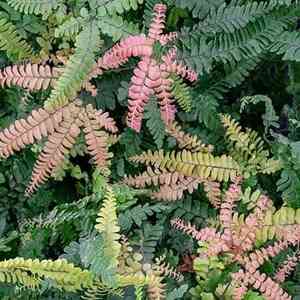
Rough maidenhair fern flourishes when multiplied via separation, a technique consistent with its inherent growth habits. For propagation, gently divide the root mass in late winter or early spring, making sure each new plant segment possesses several fronds and a robust root structure. Place these separated portions in damp, adequately draining soil, preferably in a shaded spot that emulates their native under-canopy environment. Consistent misting aids in preserving the elevated humidity levels rough maidenhair fern favors, encouraging vigorous development.
Optimal Period for Rough Maidenhair Fern Propagation
Propagation Method
Division
Propagation Season
Spring,Autumn
Tools Required for Rough Maidenhair Fern Propagation
Sterilized Sharp Knife or Scissors
Utilized for making clean cuts through the rhizomes or root mass of rough maidenhair fern, minimizing plant damage. Sterilization prevents disease transmission, vital for rough maidenhair fern's health during division.
Watering Can with Fine Rose
Crucial for gently irrigating newly propagated rough maidenhair fern without displacing or harming its delicate fronds. The fine rose attachment ensures even water distribution, providing hydration without excessive soil disruption.
Humidity Tray
Maintains a high moisture environment around rough maidenhair fern post-propagation, essential for its recovery and development. Consistent humidity levels mimic rough maidenhair fern's natural habitat, aiding successful re-establishment.
Peat-based or Fern-specific Potting Mix
Provides the necessary lightness and drainage for rough maidenhair fern. This soil type prevents rough maidenhair fern roots from becoming waterlogged, which could cause root rot, while offering adequate nutrient retention and air flow.
Rooting Hormone (optional)
Though not mandatory, applying rooting hormone to rough maidenhair fern's cut sections can promote faster and more dependable root growth. This is especially beneficial for improving the establishment rate of divided parts.
Labels and Permanent Marker
Used to identify divisions with pertinent details like the propagation date. This assists in monitoring rough maidenhair fern's progress and health as it settles into its new surroundings.
How to Propagate Rough Maidenhair Fern?
Propagation Type
Easy
Caring for Your Newly Propagated Rough Maidenhair Fern
Caring for Your Newly Propagated Rough Maidenhair Fern?
After propagation, keep the soil consistently moist but not saturated. Maintain high humidity for rough maidenhair fern, either by daily misting or using a humidity tray. Avoid direct sunlight, which can burn the delicate fronds. Fertilize monthly with a balanced, diluted liquid fertilizer during the growing season. Watch for common fern pests like scale and mealybugs, and treat them as needed. Regularly check and maintain these conditions to ensure healthy growth and development of your propagated rough maidenhair fern.
Common Errors to Avoid When Propagating Rough Maidenhair Fern
Overwatering
Excessive moisture can lead to root rot, a condition harmful to rough maidenhair fern's sensitive root system. This can severely hinder its ability to absorb nutrients, resulting in weakened growth or plant demise.
Using dense soil
Employing a soil mix that is too heavy or compact can impede root development and proper drainage. This may cause waterlogging, negatively impacting rough maidenhair fern's overall health and propagation success.
Insufficient humidity
Rough maidenhair fern thrives in humid conditions. Failing to provide adequate humidity can cause fronds to dry out and become brittle, diminishing the plant's vitality and aesthetic appeal.
Excessive direct sunlight
While rough maidenhair fern needs good light, direct sun can scorch its delicate fronds, leading to discoloration and reduced photosynthesis, which can stunt growth and propagation.
Tips For Propagating Rough Maidenhair Fern
Appropriate soil mix
Using a light, well-draining soil mix enhances root health and supports vigorous growth. Incorporating materials like perlite or vermiculite helps ensure good drainage and air circulation around the roots.
Maintaining humidity
Creating a humid microclimate, possibly by misting regularly or using a humidity tray, is vital for rough maidenhair fern. This simulates its natural, humid habitat, promoting healthier growth and better frond development.
Bright, indirect light
Positioning rough maidenhair fern in an area with bright but indirect light will shield it from potential leaf scorch while providing ample light for photosynthesis, crucial for growth and propagation.
Gentle watering
Watering rough maidenhair fern gently and allowing the top inch of soil to dry out between waterings ensures the roots receive adequate moisture without becoming waterlogged. This balance is key to preventing root rot and encouraging healthy growth.



