How to Transplant Great Hound's Tongue?
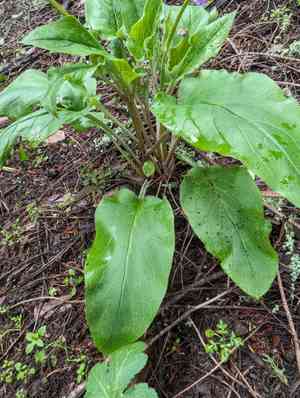
The ideal period to relocate great Hound's Tongue is from the mild warmth of late spring until the close of summer. Selecting a location with abundant light and soil that drains effectively will result in vigorous development. Be mindful of its root system's need for companionship, providing sufficient room for expansion.
What Preparations are Needed Before Transplanting Great Hound's Tongue?
What is the Ideal Time for Transplanting Great Hound's Tongue?
The optimal period for relocating great Hound's Tongue spans from the revitalizing late spring to the initial signs of early autumn. This timeframe offers mild temperatures and sufficient sunlight, fostering root development for great Hound's Tongue without the harsh conditions of winter or the intense heat of mid-summer. By selecting this window, you enable great Hound's Tongue to adapt smoothly, ensuring vigorous growth and flowering. It's a reliable method to introduce a healthy, flourishing great Hound's Tongue into your garden.
How Much Space Should You Leave Between Great Hound's Tongue Plants?
When moving your great Hound's Tongue, aim for ample room. A spacing of approximately 12 inches (30 cm) between plants will provide them sufficient area to thrive and reach their full size. This guarantees proper air circulation and space for development.
What is the Best Soil Mix for Great Hound's Tongue Transplanting?
For your great Hound's Tongue, prepare a supportive bed with soil that drains well. A mixture rich in organic material will be highly beneficial. Before transplanting, incorporate a balanced, slow-release fertilizer to establish a foundation for robust growth.
Where Should You Relocate Your Great Hound's Tongue?
Choose a location for your great Hound's Tongue that receives sun to partial shade. A spot that gets gentle morning sun but is shaded during the intense afternoon hours will be an ideal sanctuary for your perennial.
What Equipments Should You Prepare Before Transplantation Great Hound's Tongue?
Gardening Gloves
To safeguard your hands while handling soil and the plant.
Spade or Shovel
For excavating the great Hound's Tongue from its current spot and preparing the new planting hole.
Hand Trowel
Useful for smaller or delicate tasks when managing the plant's root ball.
Watering Can or Hose
To hydrate the plant before removal and in its new position.
Wheelbarrow or Plant Dolly
To move the great Hound's Tongue if it is large or heavy.
Pruning Shears
To trim any damaged roots or excessive foliage.
Organic Mulch
To help maintain soil moisture and deter weeds around the fresh planting site.
How Do You Remove Great Hound's Tongue from the Soil?
How Do You Remove Great Hound's Tongue from the Soil?
From Ground: Hydrate the great Hound's Tongue to moisten the soil, making extraction easier. Use a spade or shovel to dig loosely around the plant, being careful to protect the root ball. Gently lift the plant by its root ball to minimize stress and root damage.From Pot: Verify if the great Hound's Tongue is root-bound and water it thoroughly. Carefully tilt the pot sideways and tap or squeeze its sides to loosen the soil and roots. Ease the plant out of the pot by supporting its base and pulling the pot upwards and away.From Seedling Tray: Water the seedlings to dampen the soil. Using a hand trowel or a specialized seedling tool, carefully pry the great Hound's Tongue from its compartment, again ensuring the root ball remains intact.
Step-by-Step Guide for Transplanting Great Hound's Tongue
Preparation
Gather all necessary tools and prepare a wheelbarrow or plant dolly if the great Hound's Tongue is large or difficult to carry by hand.
Root Ball Handling
Remove excess soil from around the roots without overly disturbing the root ball. If any roots are circling or girdling, gently untangle them to encourage outward growth.
Planting Hole
Dig a hole in the ground that is twice the diameter of the great Hound's Tongue's root ball to provide ample space for root expansion.
Plant Positioning
Place the great Hound's Tongue in the center of the hole. The top of the root ball should be level with or slightly above the surrounding soil to allow for settling and proper drainage.
Backfilling
Gently refill the hole with the excavated soil, firming it around the root ball to eliminate air pockets. Avoid compacting the soil too tightly.
Initial Watering
Water the great Hound's Tongue thoroughly to help it settle into place and hydrate its roots. This will also aid in integrating the soil around the root ball.
Mulch Application
Apply a layer of organic mulch around the base of the great Hound's Tongue, keeping it away from direct contact with the stem, to help retain moisture and suppress weeds.
How Do You Care For Great Hound's Tongue After Transplanting?
Stability
If the great Hound's Tongue is tall or top-heavy, consider staking it until its roots are established in the new location to prevent it from falling over.
Regular Watering
Provide consistent watering but ensure you do not overdo it. The aim is to keep the soil uniformly moist as the great Hound's Tongue establishes itself.
Protection
Initially shield the great Hound's Tongue from harsh conditions, if possible. This might involve temporary shading from intense sun or protection from strong winds.
Observation
Monitor your great Hound's Tongue for indications of transplant shock, such as wilting or yellowing, and take appropriate action with further care or adjustments if needed.
Troubleshooting Common Issues with Great Hound's Tongue Transplantation.
When is the best time to transplant great Hound's Tongue?
The optimal transplanting period for great Hound's Tongue is from late spring through late summer when the weather is mild.
How much space does great Hound's Tongue need when transplanting?
Allow a generous spread of approximately 12 inches (30 cm) between each great Hound's Tongue to ensure sufficient growing space.
Why are my transplanted great Hound's Tongue wilting?
Wilting after transplant is common due to shock. Ensure adequate watering and avoid direct sunlight for a few days.
What soil type is ideal for transplanting great Hound's Tongue?
Well-draining, fertile soil supports healthy root growth in great Hound's Tongue. Amend with compost if necessary.
How deep should I plant great Hound's Tongue during transplantation?
The root ball of great Hound's Tongue should be planted at the same depth it was previously growing for optimal results.
How often should I water great Hound's Tongue after transplanting?
Water great Hound's Tongue thoroughly after transplanting and then regularly to maintain moist but not waterlogged soil.
Should I fertilize great Hound's Tongue after transplanting?
Wait 4-6 weeks before fertilizing to allow great Hound's Tongue to settle in and reduce the risk of root burn.
Why are the leaves of my great Hound's Tongue turning yellow post-transplant?
Yellowing can indicate water stress or nutrient deficiency. Adjust watering and check soil fertility.
How can I protect great Hound's Tongue from transplant shock?
Minimize root disturbance, water sufficiently, and provide shade for the initial few days to lessen shock.
Can I transplant great Hound's Tongue during the bloom period?
It is best to wait until blooming has concluded to reduce stress and promote root establishment.



