How to Prune Great Hound's Tongue?
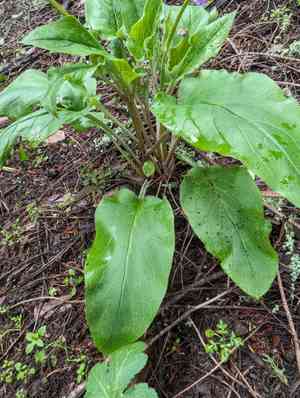
This enduring herbaceous plant is recognized for its abundant leaves and purplish-blue blossoms. After flowering, trim great Hound's Tongue to preserve its form and stimulate robust development. During springtime, remove any lifeless or frail stalks and reduce excessive growth. Summer trimming entails removing faded blooms to foster a subsequent flowering period. Pruning enhances air movement and diminishes the likelihood of ailments. Precise timing is essential to prevent severing nascent buds; therefore, periods following blooming and early growth phases are ideal.
What Are the Benefits of Pruning Great Hound's Tongue?
What Are the Benefits of Pruning Great Hound's Tongue?
Trimming great Hound's Tongue promotes robust development and maintains its desired shape. This practice ensures the removal of dead or overgrown branches, which enhances air circulation and sunlight penetration, crucial for the plant's health and structural development.
What Is the Best Time for Pruning Great Hound's Tongue?
What Is the Best Time for Pruning Great Hound's Tongue?
Pruning great Hound's Tongue from late spring to early summer aligns with its post-flowering period and before its active growth season. This timing allows the plant to recover from cuts without diverting energy from producing flowers and fruits. Additionally, it reduces the risk of disease infection often associated with wetter autumn and winter months. The aim is to shape the plant and encourage vigorous growth during its peak period, while ensuring its strong health and visual appeal.
What Tools Do I Need to Prune Great Hound's Tongue?
Bypass Pruners
These pruners are perfect for making clean cuts on the small to medium-sized stems of great Hound's Tongue without harming plant tissues. They are effective for selective thinning and removing spent blooms.
Long-Handled Loppers
If great Hound's Tongue has thicker branches, the leverage from long-handled loppers will simplify pruning them without straining the gardener's hands. They are suitable for reaching into dense growth and ensuring precise cuts.
Pruning Saw
For the mature and woody stems of great Hound's Tongue that are too thick for loppers, a pruning saw is essential. Its sharp blades can manage larger branches while offering control over the cut.
Gardening Gloves
To shield the gardener's hands from thorns or rough plant material while pruning great Hound's Tongue, a durable pair of gardening gloves is crucial.
Pruning Shears
For routine upkeep and shaping of great Hound's Tongue, pruning shears are appropriate. They are ideal for cutting soft plant material and deadheading flowers with accuracy.
How to Prune Great Hound's Tongue
Cleaning Tools
Start pruning great Hound's Tongue by sanitizing your pruning tools. Use a bleach or rubbing alcohol solution to prevent disease spread.
Removing Diseased Leaves
Carefully inspect great Hound's Tongue for diseased leaves. Look for any discoloration, spots, or signs of fungal growth. Using your sterilized pruning shears, snip the diseased leaves at their base without harming healthy tissue.
Removing Withered Leaves
Identify withered or dead leaves on great Hound's Tongue. These are typically dry, brown, and brittle. Gently remove them by hand if they detach easily or use shears to cut at the stem's base.
Pruning Diseased Stems
Examine great Hound's Tongue for diseased stems, characterized by abnormalities such as discoloration, lesions, or soft, rotted areas. Cut the entire diseased stem off well below the affected area to ensure the disease does not spread. Make the cut at a 45-degree angle to promote healing and prevent water accumulation.
Cleanup
Dispose of all removed diseased or withered leaves and stems from great Hound's Tongue in a sealed bag to prevent the spread of disease. Do not compost as this can transfer pathogens to the compost pile.
Common Pruning Mistakes with Great Hound's Tongue
Overpruning
Removing too much foliage from great Hound's Tongue at once can stress the plant and lead to reduced vigor or even death.
Ignoring Health
Failing to remove diseased, dead, or damaged stems can prevent great Hound's Tongue from directing energy toward healthy growth.
Cut Location
Incorrect cut locations during pruning can lead to water accumulation, which may cause rot or fungal diseases in great Hound's Tongue.
Tool Bluntness
Using blunt tools can cause jagged wounds that heal poorly, making great Hound's Tongue susceptible to pests and diseases.
Shearing
Shearing great Hound's Tongue into formal shapes can compromise its natural structure and inhibit its characteristic growth pattern.
Common Pruning Tips for Great Hound's Tongue
Clean Cuts
Make sure to use sharp, clean tools to make precise cuts that will heal quickly, thereby minimizing stress on great Hound's Tongue.
Selective Pruning
Selective pruning, focusing on removing only the necessary parts, encourages great Hound's Tongue to develop a stronger, more natural form.
Disease Prevention
Immediately remove any diseased or pest-infested branches to prevent the spread to the rest of great Hound's Tongue.
Reinvigoration
Prune older stems to stimulate new growth, which is especially important for maintaining the vivacity of great Hound's Tongue.
Aesthetic Maintenance
Shape great Hound's Tongue by pruning for aesthetic purposes, but ensure that the plant's natural growth pattern is respected.



