How to Propagate Great Hound's Tongue?
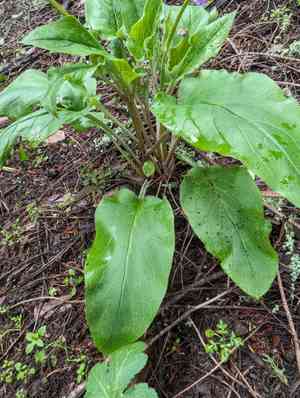
Cynoglossum officinale can be successfully multiplied by means of seeding. Utilizing newly harvested seeds is essential, preferably planted in a substrate that drains efficiently. Sufficient hydration is vital for the successful sprouting of Cynoglossum officinale, yet excessive watering should be prevented to avert seed decay. Supplying optimal illumination will encourage uniform development after germination. Relocation of seedlings ought to be performed with caution once they have developed a strong root structure. Consistent attention during the early growth period guarantees vigorous maturation.
When Is the Optimal Time to Propagate Great Hound's Tongue?
Propagation Type
Sowing
Propagation Season
Spring
What Tools Are Utilized in Great Hound's Tongue Propagation?
Seed Trays
Seed trays are beneficial for initiating the propagation of great Hound's Tongue through sowing. They enable precise management of the soil mixture, moisture levels, and spacing, helping to keep seeds appropriately separated and ensuring uniform care. These trays are also effective for handling numerous seeds efficiently, supporting the initial growth phase in a controlled setting before transplanting.
Fine Soil Sieve
A fine soil sieve is crucial for preparing the propagation medium for great Hound's Tongue. It facilitates the removal of larger debris from the soil, creating a fine, smooth growing medium that improves seed-to-soil contact. This contact is vital for water absorption and successful germination, making the soil sieve particularly advantageous.
Misting Bottle
A misting bottle is perfect for gently watering great Hound's Tongue seeds. The fine spray delivers adequate moisture without dislodging or exposing the small seeds, which is essential for maintaining proper humidity around the seeds for improved germination conditions.
Tweezers
Tweezers are helpful when handling and sowing great Hound's Tongue seeds, especially since accurate placement in the soil can significantly impact germination rates. They minimize the risk of seed damage from handling and allow for precise positioning in seed trays or growing medium.
Grow Lights
Grow lights are especially valuable if great Hound's Tongue is propagated in environments lacking adequate natural sunlight. They provide a consistent light source, which is critical for young seedlings to perform photosynthesis and develop robustly after germination.
How to Propagate Great Hound's Tongue?
Propagation Type
Easy
How to Nurture Your Newly Propagated Great Hound's Tongue?
How to Nurture Your Newly Propagated Great Hound's Tongue?
Following propagation, maintain consistent soil moisture but be cautious of overwatering great Hound's Tongue. Provide partial to full sunlight depending on local climatic conditions. Apply a balanced, slow-release fertilizer annually during the growing season to encourage vigorous growth. Regularly check for pests or diseases and take necessary action to preserve plant health.
Common Errors to Avoid When Propagating Great Hound's Tongue
Overwatering
Excessive moisture can lead to root rot in great Hound's Tongue, a condition that impedes root development and diminishes the plant's overall vitality.
Deep planting
Planting great Hound's Tongue cuttings or seeds too deeply can hinder their ability to sprout, as great Hound's Tongue requires light for optimal germination and initial growth.
Neglecting cleanliness
Using unsterilized equipment or contaminated soil can introduce pathogens to great Hound's Tongue, severely affecting propagation success and plant health.
Advice For Propagating Great Hound's Tongue
Appropriate moisture levels
Maintain moist, but not saturated, conditions. Great Hound's Tongue thrives in well-draining soil that supports healthy root growth without becoming excessively wet.
Light exposure
Ensure that great Hound's Tongue seeds or cuttings receive sufficient light, which is vital for germination and the initial growth stages. Avoid burying them too deep in the soil.
Using clean equipment
Always use sterilized pots and tools when propagating great Hound's Tongue to prevent the spread of disease. This practice fosters a healthier growth environment.



