How to Transplant Prickly chaff flower?
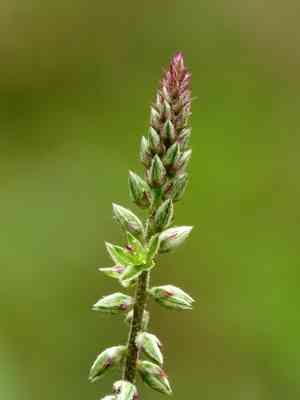
The ideal period for relocating prickly chaff flower is during the transition from late spring to early summer, when ground conditions are favorable and conducive to development. Select a location bathed in sunlight with soil that drains effectively to allow prickly chaff flower to thrive. Gentle handling and sufficient hydration after transplanting will foster vigorous establishment.
What Preparations are Needed Before Transplanting Prickly Chaff Flower?
What is the Ideal Time for Transplanting Prickly Chaff Flower?
Moving prickly chaff flower during the increasing warmth of late spring or early summer optimizes its growth potential, utilizing longer, sun-filled days. Choosing this period for relocation boosts prickly chaff flower's ability to establish strong roots, benefiting from mild temperatures for optimal adjustment. This ensures you'll observe prickly chaff flower's vibrant health, aligning its development with nature's supportive rhythm.
How Much Space Should You Leave Between Prickly Chaff Flower Plants?
When relocating prickly chaff flower, ensure each plant has room to expand. Aim for a separation of approximately 1-1.5 feet (30-45 cm). This guarantees they have ample space to spread without becoming too crowded.
What is the Best Soil Mix for Prickly Chaff Flower Transplanting?
For prickly chaff flower, the perfect soil should drain well and contain a good amount of compost or organic material. Adding a foundational fertilizer, such as a balanced N-P-K, can give the plants an excellent start.
Where Should You Relocate Your Prickly Chaff Flower?
Seek a spot that receives ample sunlight. Prickly chaff flower thrives in the sun, so aim for an area that gets at least 6 hours of direct sunlight daily. This will promote vigorous growth and abundant blooms.
What Equipments Should You Prepare Before Transplantation Prickly Chaff Flower?
Gardening Gloves
To safeguard your hands while handling the soil and the prickly chaff flower plant.
Shovel or Spade
To excavate the planting hole and carefully extract the plant from its current spot.
Hand Pruner
To snip off any dead or damaged roots that might harm the plant after relocation.
Watering Can
To hydrate the plant both before and after the transplanting procedure.
Mulch
To keep the roots of prickly chaff flower cool, conserve moisture, and suppress weeds post-transplant.
Wheelbarrow or Cart
To aid in moving the plant, especially from one section of the garden to another.
How Do You Remove Prickly Chaff Flower from the Soil?
How Do You Remove Prickly Chaff Flower from the Soil?
From Ground: First, water the prickly chaff flower plant to moisten the soil. This will facilitate the removal process. Next, use a shovel or spade to dig a wide trench around the plant. Be careful not to harm the plant's roots. Gradually work the spade beneath the root ball and lift the plant from its original position.From Pot: Ensure the prickly chaff flower plant is well-watered. This will help the plant slide out of the pot easily. Turn the pot sideways, gently hold the plant by its base, and lightly pull to remove it. If it doesn't come out readily, tap the bottom of the pot gently to loosen it.From Seedling Tray: Water the prickly chaff flower seedlings thoroughly. Then, carefully remove a seedling using a tool like a spoon to lift it, including its roots and surrounding soil, without causing any damage.
Step-by-Step Guide for Transplanting Prickly Chaff Flower
Preliminary Preparations
Adequately water the prickly chaff flower plant several hours prior to transplanting. This helps maintain the plant's hydration.
Prepare the new location
Dig a hole as deep as the root ball and twice its width.
Transplanting
Gently position the plant in the center of the hole. The top of the root ball should be level with the ground in its new spot.
Fill in the hole
Gradually backfill the hole with soil, gently compacting it around the root ball.
Watering
Thoroughly water the prickly chaff flower plant immediately after transplanting to help settle the soil and lessen transplant shock.
How Do You Care For Prickly Chaff Flower After Transplanting?
Pruning
After the transplanting process, lightly prune your prickly chaff flower plant. This encourages it to prioritize new root formation over foliage growth.
Watering
Water the prickly chaff flower plant as needed, keeping the soil moist but not saturated.
Monitoring
Observe the plant for a few weeks to ensure it's establishing well. Any signs of wilting or yellowing leaves might indicate an issue.
Troubleshooting Common Issues with Prickly Chaff Flower Transplantation.
When is the best time to transplant prickly chaff flower?
For prickly chaff flower, the ideal period for relocation falls between the third and fifth seasons, ensuring optimal growth.
What is the ideal spacing for prickly chaff flower?
Allow a distance of 1 to 1.5 feet (or 30-45 cm) between each prickly chaff flower plant. This helps provide sufficient light and nutrients for every plant.
How can one ensure successful transplanting of prickly chaff flower?
Begin by selecting a healthy prickly chaff flower plant. Prepare the new site by loosening the soil and ensure to water the plant thoroughly before and after relocation.
What are the light needs for transplanting prickly chaff flower?
Prickly chaff flower prefers full sun exposure, but it can tolerate partial shade. Ensure the new transplant location isn't heavily shaded for optimal results.
How important is soil quality when transplanting prickly chaff flower?
Preferably, well-drained and rich soil is best for prickly chaff flower. If the garden soil is poor, consider enhancing it with organic matter before transplanting.
What is the water requirement for prickly chaff flower post-transplanting?
Prickly chaff flower requires adequate watering after transplanting. However, avoid overwatering; waterlogging can lead to root rot. Moderation is crucial.
What type of care does prickly chaff flower require after transplanting?
Regular watering, a balanced fertilizer, and ample sunlight help prickly chaff flower thrive after transplanting. Also, routine checks for pests and diseases are recommended.
What are the signs that prickly chaff flower is not transplanting successfully?
Wilting, yellowing, or dropping leaves can indicate transplant shock. If the plant exhibits such symptoms, it might need additional care, such as more frequent watering.
How to deal with any pest attack on prickly chaff flower post-transplantation?
Start by identifying the pest. Use a gentle insecticidal soap or horticultural oil, trying to avoid harsh pesticides that could harm prickly chaff flower. Keep affected plants separated.
How can one prevent diseases in prickly chaff flower post-transplanting?
Frequent inspections for early signs of disease, good plant hygiene, and consideration of the plant's specific needs can support prickly chaff flower's health after transplanting.



