How to Propagate Prickly chaff flower?
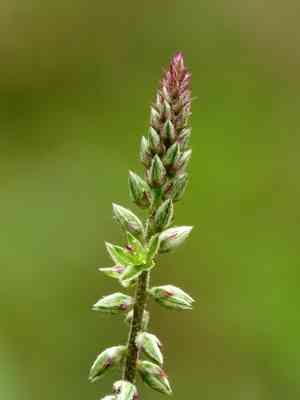
Prickly chaff flower flourishes when reproduced via stem sections. Selecting robust, pathogen-free stem cuttings guarantees a greater rate of success. It is essential to embed them in adequately draining, nutrient-rich substrate, and sustaining steady hydration without saturation encourages vigorous root formation. Positioning the cuttings in an area receiving diffused, ample illumination fosters ideal development.
Optimal Period for Propagating Prickly Chaff Flower
Propagation Method
Cutting
Propagation Period
Spring,Summer
Tools Required for Prickly Chaff Flower Propagation
Sharp Pruning Shears
Crucial for obtaining clean, precise cuttings from prickly chaff flower, sharp pruning shears help minimize harm to the parent plant and guarantee each cutting possesses a robust, viable stem. A clean incision boosts the likelihood of successful rooting by lowering infection risk and promoting rapid healing.
Rooting Hormone
This chemical compound encourages root development from prickly chaff flower cuttings. Dipping the base of the cuttings into rooting hormone increases the probability of root formation, providing a boost that can significantly improve propagation success, especially vital for enhancing new root establishment in prickly chaff flower.
Sterile Potting Mix
Employing a sterile potting mix prevents the introduction of pathogens that could harm prickly chaff flower cuttings. A well-draining and nutrient-rich potting mix supports healthy root growth by offering an ideal balance of air and moisture, critical elements for root development and vitality.
Propagating Tray with Dome
These trays are specifically designed for rooting cuttings. The dome helps maintain consistent humidity and temperature, crucial environmental conditions that support the rooting process of prickly chaff flower. The controlled environment within the dome significantly enhances the speed and success rate of rooting in cuttings.
Post-Propagation Care for Your Prickly Chaff Flower
Post-Propagation Care for Your Prickly Chaff Flower
After successful rooting, gradually acclimate prickly chaff flower to less humid conditions by progressively removing the plastic cover over a week. Continue to keep the soil consistently moist but not waterlogged. Prickly chaff flower thrives in full sun and requires minimal fertilization. Regularly check the plant for pests and diseases, especially when new growth appears.
Common Errors to Avoid When Propagating Prickly Chaff Flower
Overwatering
Excessive watering of prickly chaff flower can lead to root rot and fungal infections, compromising the plant's health. This error can significantly impede root development, which is essential for successful propagation.
Excessive use of fertilizer
Applying too much fertilizer during prickly chaff flower propagation can burn developing roots or promote excessive leaf growth at the expense of root development. This imbalance can ultimately reduce the plant's survival chances.
Improper cutting size
Using cuttings that are too short or too long can impact the rooting efficiency of prickly chaff flower. Cuttings that are too short may lack sufficient stored energy or nodes for root development, while those that are too long can lead to moisture loss and reduced survival rates.
Advice for Propagating Prickly Chaff Flower
Utilize healthy donor plants
Select a healthy donor plant for taking cuttings or seeds, as this ensures the propagated prickly chaff flower has the best chance for growth and development.
Correct cutting technique
Make cuttings approximately 4-6 inches long, ensuring each cutting has at least one node above and one below the soil surface. This practice enhances root formation and aids in successful establishment.
Monitor moisture levels
Keep the soil consistently moist but not waterlogged. Proper moisture is crucial for root formation without risking conditions that cause root rot.



