How to Transplant Yarrow?
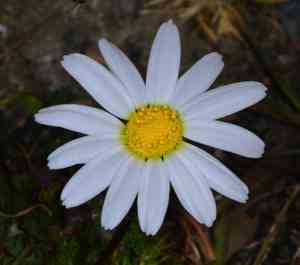
Relocating yarrow is most effectively carried out from the beginning to the end of spring, as conditions are ideal for root development. Select a bright spot with soil that drains efficiently to facilitate a successful move.
What Preparations are Needed Before Transplanting Yarrow?
What is the Ideal Time for Transplanting Yarrow?
The best time to move yarrow, a perennial, is from early to late spring. This timing allows roots to establish well before summer's heat. Transplanting then ensures strong growth, good root development, and less shock, giving yarrow the best chance to adapt successfully.
How Much Space Should You Leave Between Yarrow Plants?
When relocating yarrow, ensure plants are spaced 12-18 inches (30-45 cm) apart. This provides ample room for growth and prevents overcrowding.
What is the Best Soil Mix for Yarrow Transplanting?
Opt for well-draining soil for yarrow, ideally sandy or loamy. Before planting, incorporate compost for essential nutrients. A balanced 10-10-10 fertilizer can also support healthy development.
Where Should You Relocate Your Yarrow?
Choose a sunny location for yarrow's new home. This plant thrives in full sun, requiring at least 6 hours of direct sunlight daily. If possible, avoid shaded areas to promote optimal flowering.
What Equipments Should You Prepare Before Transplantation Yarrow?
Gardening Gloves
To shield your hands while handling soil and plants.
Shovel or Spade
For digging and lifting the plant from its original spot.
Trowel
Useful for smaller digging tasks and preparing the new planting site.
Watering Can or Hose
For hydrating the plant before and after its relocation.
Garden Fork
Helpful for loosening soil around roots if moving from the ground.
Pruners
To trim any damaged or excessively long roots.
Bucket
To transport soil or water as needed.
How Do You Remove Yarrow from the Soil?
How Do You Remove Yarrow from the Soil?
From Ground: First, moisten the yarrow plant's soil. Then, dig a wide trench around the plant with a shovel or spade, keeping the root ball intact. Carefully work the spade under the root ball to lift the plant from its initial position.From Pot: Gently turn the pot on its side and tap the edges to loosen the soil. Carefully slide the yarrow plant out, holding it by the stem's base. If root-bound, gently separate the roots with your fingers.From Seedling Tray: Water seedlings thoroughly before moving them. Use a trowel or your fingers to carefully lift each yarrow plant from the tray, ensuring you get as much of the root system as possible. Handle seedlings by their leaves to prevent stem damage.
Step-by-Step Guide for Transplanting Yarrow
Prepare the New Location
Dig a hole twice as wide and the same depth as the yarrow's root ball. Ensure the soil is loose and drains well to encourage root growth.
Amend the Soil
If needed, mix in some organic compost or aged manure to enrich the soil and improve its texture.
Place the Plant
Position the yarrow in the center of the hole, ensuring the top of the root ball is level with the surrounding soil. Planting too deep or shallow can hinder its growth.
Backfill the Hole
Fill the hole with the original soil, gently pressing down to remove air pockets. Water the plant thoroughly to help settle the soil and provide initial moisture to the roots.
Mulch (if necessary)
Apply a thin layer of mulch around the plant's base to conserve moisture and suppress weeds, avoiding direct contact with the stem.
How Do You Care For Yarrow After Transplanting?
Watering
Keep the soil around the yarrow consistently moist, but not waterlogged, for the first few weeks post-transplant to aid in root establishment.
Observation
Regularly check the plant for signs of stress like wilting or yellowing leaves. Address issues promptly by adjusting water or checking for pests.
Fertilizing
Avoid immediate fertilization after transplanting. Wait a few weeks, then use a balanced, slow-release fertilizer to support healthy development.
Protection
Consider using a temporary windbreak or shade cloth if the weather is particularly harsh, to protect the yarrow as it adjusts to its new environment.
Troubleshooting Common Issues with Yarrow Transplantation.
When is the best time to transplant yarrow?
The optimal period for relocating yarrow is from early to late spring.
How should I prepare the soil for transplanting yarrow?
Ensure the soil drains well and is enriched with compost to support robust growth.
What is the recommended spacing for transplanting yarrow?
Place yarrow plants 12-18 inches (30-45 cm) apart to allow for adequate air circulation.
How deep should I plant the root ball of yarrow?
Plant the root ball at the same depth it was previously growing in its container.
How do I keep yarrow hydrated after transplanting?
Water thoroughly immediately after transplanting and maintain consistent moisture without saturating the soil.
Should yarrow be pruned before transplanting?
Lightly trim to remove damaged or excessive growth, assisting its establishment in the new location.
How can I reduce transplant shock for yarrow?
Transplant in the evening or on overcast days and water well to minimize stress.
Is mulching recommended for yarrow after transplanting?
Apply a thin layer of mulch around the base to retain soil moisture and regulate temperature.
What type of fertilizer helps yarrow after transplanting?
Use a balanced, slow-release fertilizer to provide steady nutrients without overfeeding.
How soon will yarrow show new growth after transplanting?
New growth typically appears within a few weeks, depending on care and environmental conditions.



