How to Prune Yarrow?
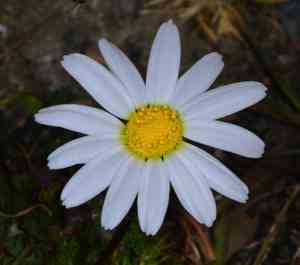
Achillea, recognized by its unique, fragrant leaves and flattened groupings of tiny, white blossoms, greatly benefits from consistent trimming. It is best to perform pruning in early spring, mid-summer, and following the autumn bloom period to foster more compact development and boost flower production. Remove faded flowers and cut back to a robust cluster of leaves to sustain vitality and form. This practice not only stimulates fresh growth but also aids in disease prevention by enhancing air movement throughout the plant.
What Are the Benefits of Pruning Yarrow?
What Are the Benefits of Pruning Yarrow?
Trimming yarrow promotes robust development and maintains its desired form. Regular cutting leads to a denser, more compact structure, enhancing its visual appeal while fostering healthier, more resilient foliage.
What Is the Best Time for Pruning Yarrow?
What Is the Best Time for Pruning Yarrow?
Spring pruning of yarrow is beneficial as it prepares the plant for vigorous summer growth and encourages healthy, strong new shoots. During summer, routine trimming can be performed to shape the plant, maintain its compact form, and remove spent or dead flowers (deadheading), which stimulates further blooming and prevents seed formation. Fall pruning is essential for removing any dead or diseased plant parts before winter, thereby reducing potential sources of diseases and pests. Additionally, moderate fall pruning helps yarrow maintain its vitality and ensures it enters dormancy in optimal health.
What Tools Do I Need to Prune Yarrow?
Bypass Pruners
These are perfect for making clean cuts on yarrow's stems without crushing them. Essential for the delicate stems of yarrow, ensuring minimal damage to the plant fibers.
Gardening Shears
Useful for shaping and managing the spread of yarrow. They allow for quick trimming of the foliage, promoting healthier growth and maintenance of the desired plant shape.
Pruning Snips
Best for deadheading or removing spent blooms of yarrow. These smaller, precise tools help in promoting more blooms by allowing targeted removal of old flowers.
How to Prune Yarrow
Identify
Locate and prepare to remove any diseased or withered leaves, as well as dead or diseased branches from yarrow. Use gloves and sterilized pruning tools to prevent the spread of disease.
Trim leaves
Carefully trim off diseased and withered leaves close to the base but ensure not to harm the healthy parts. This step will help in promoting healthy growth and air circulation around yarrow.
Cut branches
Using sharp, clean shears, prune dead or diseased branches from yarrow. Make cuts at a 45-degree angle just above a leaf node or bud to encourage new growth in a proper direction.
Cleanup
Dispose of all removed leaves and branches properly. Do not compost diseased plant material as it might contaminate the compost. This prevents any reinfection or the spread of disease to other plants.
Monitor
After pruning, monitor yarrow regularly for any signs of further disease or distress. Continued vigilance helps in maintaining the health and aesthetics of the plant.
Common Pruning Mistakes with Yarrow
Overpruning
Removing too much foliage from yarrow can weaken the plant. It's crucial not to cut away more than one-third of the plant's total mass in a single pruning session.
Improper cut locations
Cuts made too far from a node or bud may result in unsightly and non-productive stems. Always cut just above a node where new growth can emerge.
Using dull tools
Dull pruning tools can damage the stems of yarrow, leading to ragged cuts that poorly heal. This increases the risk of disease and pest infestation.
Common Pruning Tips for Yarrow
Tool preparation
Before starting, ensure all tools are sharp and clean. This promotes healthy cuts and reduces the risk of spreading diseases between plants.
Focus on dead material
Identify and remove dead, diseased, or weak stems to direct yarrow's energy towards producing robust and healthy growth. This cleanup is crucial for maintaining plant vitality.
Encourage bushy growth
Prune right above a leaf node to encourage more branching, which results in a fuller and more compact plant. This helps promote a lush foliage presence throughout the growing season.
Post-bloom trimming
Trimming yarrow back after the initial bloom can stimulate a second blooming period. Make strategic cuts to shape the plant and encourage flower production.



