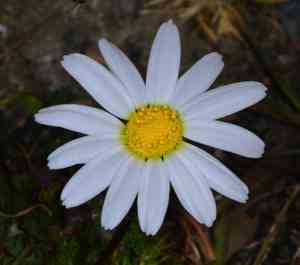
Yarrow (Achillea ageratifolia)
Also known as: Greek Yarrow, Macedonian Yarrow
This plant has received the Royal Horticultural Society’s Award of Garden Merit for its successful cultivation in the UK.
In This Article
Attributes of Yarrow
Lifespan
Perennial
Plant Type
Herb
Plant Height
15 cm to 23 cm
Spread
30 cm
Leaf Color
Gray Silver
Flower Size
1-2 cm
Flower Color
White
Images of Yarrow
Quickly Identify Yarrow
1
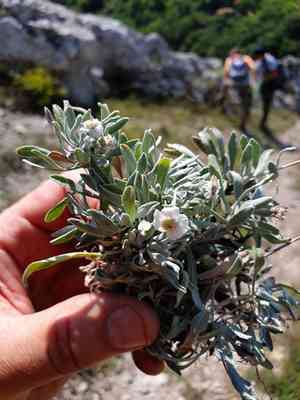
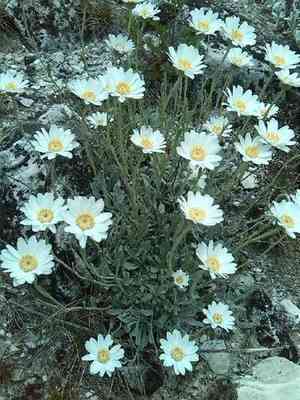
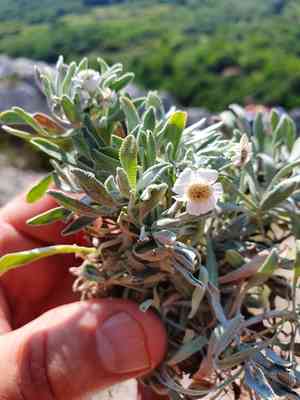
Look for finely divided, fern-like leaves with a subtle silver-gray hue. The flowers are white, sometimes with a hint of yellow at the center, and grow in dense, flat-topped clusters.
Scientific Classification of Yarrow
Phylum
Vascular plants
Class
Dicotyledons
Order
Asterales
Family
Daisy
Genus
Yarrows
Species
Yarrow
Planting and Growing of Yarrow
Care Difficulty
Easy
Watering Schedule
Every 4 days
Sunlight Requirements
Full sun
Sunshine Duration
4-8 hours
Ideal Temperature
60-70℉
Soil Type
Potting Mix, Peat Mix
Soil pH
6.5-7.5
Fertilizer Type
Balanced
Pruning Season
Spring, Summer
Pruning Area
Branches, Leaves
Pruning Frequency
2 times a year
Repotting Season
Spring
Pot Type
Plastic, Ceramic
 How to Water Yarrow?
For Achillea ageratifolia, water deeply but infrequently to promote strong root growth. Ensure the soil is moist but not waterlogged, letting the top inch of soil dry out between waterings.
What are the symptoms of an underwatered Yarrow?
›
What should I do if my Yarrow is not getting enough water?
›
What are the symptoms of an overwatered Yarrow?
›
How to save an overwatered Yarrow?
›
 What Are the Sunlight Requirements for Yarrow?
Achillea ageratifolia thrives in full to partial sun, enjoying 6 to 8 hours of light. Ideal sunlight enhances vibrant blooms, healthy foliage, and robust root growth, promoting its peak aesthetic and structural vitality.
How much sun is ideal for Achillea ageratifolia?
›
What if full sun isn't available?
›
What are the benefits of ideal lighting?
›
 What Is the Ideal Temperature Range for Yarrow?
Achillea ageratifolia thrives best in temperatures ranging from 60°F to 70°F. This optimal range ensures that the plant's physiological processes such as photosynthesis and respiration occur efficiently, promoting robust growth and healthy foliage.
 What Soil is Best for Yarrow?
Achillea ageratifolia thrives in well-drained soils, as it prevents water logging and ensures root aeration. This requirement is crucial for the plant's development because it significantly reduces the risk of root rot and enhances nutrient uptake. The plant prefers soils with moderate nutrient levels, which help maintain its robust growth without excessive foliage production. This balance benefits the plant by directing its energy towards blooming rather than unnecessary leaf growth. Achillea ageratifolia shows strong tolerance to alkaline conditions, particularly in calcareous soils. This ability allows the plant to thrive in areas where many other species might struggle, thus broadening its cultivation range.
 How to Fertilize Yarrow?
Achillea ageratifolia requires moderate fertilization. Use a balanced liquid fertilizer at half strength to ensure the plant gets sufficient nutrients without overdoing it. About 10-15 ml of liquid fertilizer diluted in one liter of water is recommended each time.
 How to Prune Yarrow?
Regularly check the plant for any dead or dying stems and leaves. Removing these will help prevent the spread of diseases and pests, as well as encourage healthier overall growth. Pruning allows you to shape the plant to keep it within its designated space. Be careful not to trim too much at once, which can stress the plant. Gradually shape it while focusing on maintaining its natural form.
More About Pruning Techniques→
 How to Propagate Yarrow plant?
1
Ensure seeds are dry and stored correctly before sowing. Seed soaking overnight in water can improve germination rates for harder seeds.
2
Select healthy, disease-free stems for cuttings. Trim them to about four to six inches in length, ensuring that each cutting has at least two leaf nodes.
3
Dig up mature plants in the spring and separate the roots carefully. Plant each division into a prepared hole immediately to prevent drying out of roots.
 How to Repot Yarrow plant?
1
You should consider repotting Achillea ageratifolia when you notice root-bound signs or it's outgrowing its current pot. Spring and early summer are ideal times as the plant enters its active growth phase. Fresh growth and inability to retain water are also indicators.
2
Select a pot slightly larger than the current one with good drainage holes. This ensures the roots have enough space to grow and prevents waterlogging, reducing root rot risk. Opt for a material like terracotta that allows breathability.
3
Opt for a well-draining garden soil mix. Mix in some sand or perlite for better drainage, as Achillea ageratifolia prefers conditions that prevent root rot. A nutrient-rich composition encourages healthy growth and vibrant blooms.
Learn More About Yarrow Diseases
Anthracnose
Bacterial Leaf Spot
Bacterial Soft Rot
Crown Gall
Cyst Nematode
Damping-off
Downy Mildew
Drought Stress
Fusarium Wilt
Gray Mold
Leaf Spot
Mosaic
Nutrient Deficiency
Nutrient Toxicity
Powdery Mildew
Root Rot
Root-knot Nematode
Rusts
Sooty Mold
Spider Mites
Temperature Stress
Thrips Damage
White Mold
Chemical Injury



