How to Transplant Spiny bear's breech?
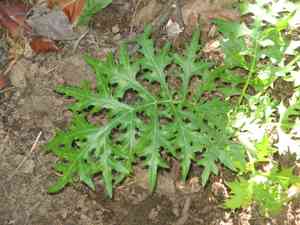
Transplanting spiny bear's breech is most effective from late summer's warmth through early autumn's mildness, allowing for robust root development prior to winter. Select a site offering dappled sunlight and soil that drains efficiently; amend the area as necessary to accommodate the spiny bear's breech's root system.
What Preparations are Needed Before Transplanting Spiny Bear's Breech?
What is the Ideal Time for Transplanting Spiny Bear's Breech?
The best time to move spiny bear's breech is from late summer to early autumn. This period allows the plant sufficient time to establish its root system before winter arrives. Relocating spiny bear's breech at this time ensures it adapts well, reduces stress, and encourages strong growth in spring. Choosing this timing gives spiny bear's breech the best chance to flourish in its new spot, with cooler temperatures aiding root development without intense summer heat. When transplanted during this recommended window, spiny bear's breech benefits greatly, easing its adjustment and boosting its overall health and appearance.
How Much Space Should You Leave Between Spiny Bear's Breech Plants?
For spiny bear's breech, provide ample room for each plant. Aim for a separation of approximately 2-3 feet (60-90 cm) when transplanting. This allows your plant the necessary space to expand and develop.
What is the Best Soil Mix for Spiny Bear's Breech Transplanting?
Before moving spiny bear's breech, prepare soil that drains well and is rich in organic matter. Apply a foundational fertilizer high in phosphorus to stimulate root growth and promote flowering.
Where Should You Relocate Your Spiny Bear's Breech?
Choose a spot where spiny bear's breech will get full to partial sun exposure. These plants enjoy sunlight but need a few hours of shade daily to shield them from intense afternoon rays.
What Equipments Should You Prepare Before Transplantation Spiny Bear's Breech?
Gardening gloves
To keep your hands clean and shield them from any potential thorns or injuries.
Shovel or garden spade
These tools will be used for digging the hole in the ground where you will transplant the spiny bear's breech.
Watering can or hose
For hydrating the spiny bear's breech before and after its relocation.
Mulch
To cover the transplanted spiny bear's breech, helping to retain soil moisture.
Secateurs
For pruning the spiny bear's breech if necessary before transplantation.
Garden fork
To loosen the soil in the area where spiny bear's breech will be planted.
Wheelbarrow
To move the spiny bear's breech and the excavated soil.
How Do You Remove Spiny Bear's Breech from the Soil?
How Do You Remove Spiny Bear's Breech from the Soil?
From Ground: Begin by watering the spiny bear's breech to loosen the soil, making it easier to work with. Use a garden spade to dig a wide trench around the spiny bear's breech, being careful to keep the root ball intact. Before lifting, gently work the spade under the root ball, then carefully raise the spiny bear's breech, ensuring the entire root ball remains unbroken and is lifted. From Pot: If the spiny bear's breech is in a pot, it can be somewhat simpler. Start by watering the plant and tilting the pot sideways while gently pulling the plant out. If the plant is stuck, you can tap the bottom or sides of the pot. Be careful not to harm the root ball during this process. From Seedling Tray: If your spiny bear's breech is in a seedling tray, water it first. Then, carefully hold the spiny bear's breech at the base of its stem and gently pull. The spiny bear's breech and its roots should slide out. If it's stuck, you can press the bottom of the tray to loosen it.
Step-by-Step Guide for Transplanting Spiny Bear's Breech
Site Preparation
Prepare the chosen spot by digging a hole twice as wide and deep as the spiny bear's breech's root ball using your shovel or garden spade. Loosen the soil in the hole with a garden fork.
Plant Preparation
Before transplanting, gently loosen the spiny bear's breech's roots. Trim any damaged or excessively long roots with a pair of secateurs.
Transplanting
Place the spiny bear's breech into the hole, making sure the top of the root ball is level with the ground. Carefully backfill the hole with soil, pressing down gently to remove any air pockets.
Watering
Water the spiny bear's breech generously, but ensure it does not become waterlogged.
Mulching
To retain moisture, spread a layer of mulch around the base of the spiny bear's breech, without touching the stem.
How Do You Care For Spiny Bear's Breech After Transplanting?
Watering
Continue to water the spiny bear's breech regularly over the next few weeks, especially if dry conditions persist. Ensure deep watering to encourage strong root development.
Pruning
Do not prune the spiny bear's breech immediately after transplantation. Allow the plant to adjust to its new environment before any pruning activities. This helps minimize stress on the plant.
Monitoring
Watch for any signs of transplant shock, such as wilting or yellowing leaves. In such cases, maintain moderate watering and consult a local nursery if symptoms continue.
Troubleshooting Common Issues with Spiny Bear's Breech Transplantation.
When is the best time to transplant spiny bear's breech?
The ideal time to transplant spiny bear's breech is during seasons 5 to 7, typically late spring to early summer.
How much space should be between each spiny bear's breech during transplanting?
When transplanting, provide ample space between each spiny bear's breech plant. Generally aim for a spacing of around 2-3 feet (60-91 cm).
What should I do if spiny bear's breech isn't thriving after transplantation?
If spiny bear's breech isn't flourishing after transplantation, ensure it's receiving adequate water, sunlight, and nutrients. Assess its environment and adjust care as needed.
Why are the leaves of my transplanted spiny bear's breech yellowing?
Yellowing leaves on your spiny bear's breech might be a sign of under or over-watering. Monitor the watering schedule and amend if necessary.
How deep should I plant spiny bear's breech during transplanting process?
When transplanting spiny bear's breech, plant it at the same depth it was in its original pot, which helps to avoid root damage or rot.
What type of soil does spiny bear's breech prefer for a successful transplantation?
Spiny bear's breech prefers well-draining soil with good fertility. A pH neutral to slightly acidic soil can help spiny bear's breech grow healthily.
What could be the reason if the transplanted spiny bear's breech is wilting?
Transplant shock could cause spiny bear's breech to wilt after transplantation. Good hydration and partial sun exposure can help the plant recover.
Should I prune spiny bear's breech before transplantation and how?
Spiny bear's breech doesn't typically require pruning before transplantation. However, removing any unhealthy or dead leaves could help the plantâs overall health.
What is the proper way to water my newly-transplanted spiny bear's breech?
Water spiny bear's breech immediately after transplanting, then follow with regular, deep watering. Ensure the soil doesn't become waterlogged to prevent root rot.
How do I protect the spiny bear's breech from pests after transplantation?
To protect spiny bear's breech from pests, ensure proper spacing for good airflow and consider using organic pesticide products suitable for spiny bear's breech.



