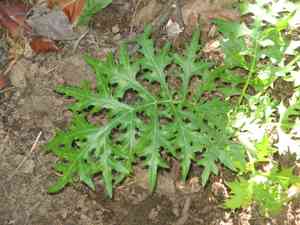
Spiny bear's breech (Acanthus spinosus)
Also known as: Spiny acanthus
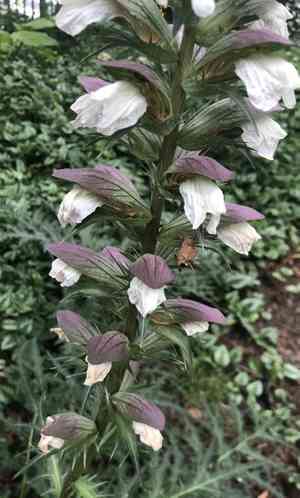
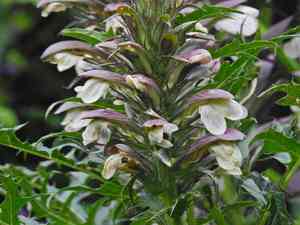
The plant you're referring to is likely Spiny Bear's Breech (Acanthus spinosus). Known for its striking tall spikes of hooded white flowers and spiky, deeply lobed leaves, this highly architectural plant is a popular choice for beds, borders, and gardens. It is also commonly featured in flower displays, and its distinctive leaves have inspired designs in architecture and furniture.
In This Article
Attributes of Spiny bear's breech
Lifespan
Perennial, Annual
Plant Type
Herb
Plant Height
91 cm to 1.2 m
Spread
90 cm to 1.2 m
Leaf Color
Green
Flower Size
2.5 cm to 8 cm
Flower Color
White Purple Pink Red Violet Mauve
Images of Spiny bear's breech
Quickly Identify Spiny bear's breech
1
Deeply lobed, shiny green leaves with sharp spines along margins.
2
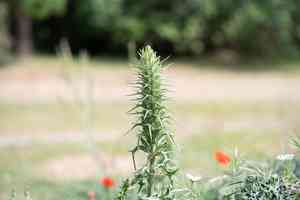
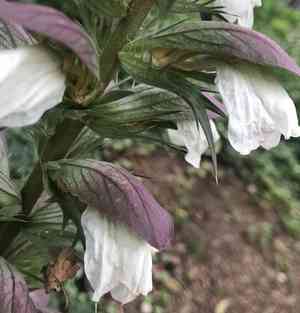
Tall, erect floral spires with hooded white or purplish flowers in bracts.
3
Leaves reaching up to 3 feet (90 cm) in length, glossy and thistle-like.
4
Distinctive vein pattern on leaves contributing to textured appearance.
5
Showy white snapdragon-like blooms with spiny bracts in pink, mauve, and red.
Scientific Classification of Spiny bear's breech
Phylum
Vascular plants
Class
Dicotyledons
Order
Lamiales
Family
Acanthus
Genus
Acanthus
Species
Spiny bear's breech
Planting and Growing of Spiny bear's breech
Care Difficulty
Moderate
Watering Schedule
Every 2 days
Sunlight Requirements
Partial sun
Sunshine Duration
4-8 hours
Ideal Temperature
60-75℉
Soil Type
Potting Mix, Peat Mix
Soil pH
6.5-7.5
Fertilizer Type
Balanced
Pruning Season
Spring, Summer
Pruning Area
Branches, Leaves
Pruning Frequency
2 times a year
Repotting Season
Spring
Pot Type
Plastic, Ceramic
 How to Water Spiny bear's breech?
Acanthus spinosus enjoys a moderate yet steady watering routine. Ensure the soil is damp but never waterlogged. Look for water seeping from the drainage holes, suggesting enough moisture has reached the roots.
What are the symptoms of an underwatered Spiny bear's breech?
›
What should I do if my Spiny bear's breech is not getting enough water?
›
What are the symptoms of an overwatered Spiny bear's breech?
›
How to save an overwatered Spiny bear's breech?
›
 What Are the Sunlight Requirements for Spiny bear's breech?
Partial sun offering 4 to 6 hours of direct or filtered sunlight daily is perfect for Acanthus spinosus, boosting its growth and flowering. Adequate light enhances its foliage, promoting a lush and healthy plant.
More About Sunlight Requirements Techniques→
What is the best sunlight condition for Acanthus spinosus?
›
How can I ensure Acanthus spinosus gets ideal light?
›
What are the benefits of ideal lighting for Acanthus spinosus?
›
 What Is the Ideal Temperature Range for Spiny bear's breech?
The ideal temperature range for Acanthus spinosus, between 60°F and 75°F, ensures optimal growth and health. This range provides the perfect conditions for photosynthesis, nutrient absorption, and overall vitality of the plant. Maintaining this temperature range helps in preventing stress, promoting healthy foliage, and ensuring robust flowering.
 What Soil is Best for Spiny bear's breech?
Acanthus spinosus requires well-drained soil to thrive, preventing root rot and ensuring the roots receive adequate oxygen. This helps in maintaining healthy growth and vibrant foliage. The plant benefits from nutrient-rich soil, high in organic matter. Providing the essential nutrients enhances its flowering capability and overall plant vigor, contributing to robust health. Moderate moisture retention is essential for Acanthus spinosus. It ensures the plant stays hydrated without the risk of waterlogging, promoting consistent growth and resilience to environmental stress.
 How to Fertilize Spiny bear's breech?
For Acanthus spinosus, the recommended amount is approximately half the strength of a general-purpose fertilizer. This equates to mixing one tablespoon of liquid fertilizer per gallon of water, ensuring the roots can absorb nutrients without getting overwhelmed.
 How to Prune Spiny bear's breech?
To prune Acanthus spinosus, begin by identifying dead or damaged stems and removing them with clean, sharp pruning shears. Cut these stems back to the base, which helps in preventing disease spread and encourages new growth. When shaping, aim to create an even, open structure, which promotes air circulation and reduces the chance of fungal infections.
More About Pruning Techniques→
 How to Propagate Spiny bear's breech plant?
1
Fill seed trays with a well-draining potting mix. Moisten the soil lightly to prepare it for sowing. This ensures seeds have the right conditions for germination.
2
Scatter seeds evenly across the seed tray and cover them lightly with soil. Place the tray in a warm, bright location but out of direct sunlight to stimulate germination.
3
Carefully lift the Acanthus spinosus from the ground using a spade. Use a sharp knife to divide the root clump into sections, ensuring each part has at least one growing point.
 How to Repot Spiny bear's breech plant?
1
For Acanthus spinosus, repotting is necessary when the roots begin to outgrow the current pot or the soil becomes compacted. This typically shows through roots appearing at the surface or the drainage holes. Spring and Autumn are the best seasons because the plant is more likely to recover quickly as it's not in its dormant phase.
2
Select a pot that is one size larger than the current pot to allow room for growth but not too large to prevent overwatering. The pot should have good drainage holes to help prevent root rot. Clay or terracotta pots are often preferred as they allow air to circulate around the roots, although any material with adequate drainage will do.
3
A well-draining potting mix is crucial for Acanthus spinosus. The soil should be light and airy, rich in organic matter to provide nutrients while allowing easy passage of water. A good mix might include garden soil, compost, and perlite to ensure the necessary balance of drainage and nutrient retention.
Learn More About Spiny bear's breech Diseases
Anthracnose
Bacterial Leaf Spot
Bacterial Soft Rot
Bacterial Wilt
Black Spot
Chemical Injury
Crown Gall
Cyst Nematode
Damping-off
Downy Mildew
Drought Stress
Fusarium Wilt
Gray Mold
Leaf Curl
Leaf Spot
Mosaic
Nutrient Deficiency
Nutrient Toxicity
Powdery Mildew
Root Rot
Root-knot Nematode
Rusts
Sooty Mold
Spider Mites
Temperature Stress
Thrips Damage
White Mold



