How to Transplant Holy mangrove?
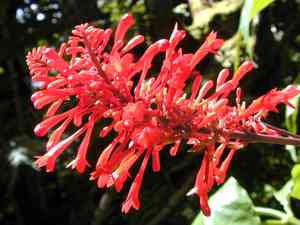
The optimal window for transplanting holy mangrove extends from the pleasantness of late spring into the welcoming stretch of mid-summer, fostering vigorous root establishment. Select a brightly lit spot with damp earth to adequately meet holy mangrove's cultivation requirements.
What Preparations are Needed Before Transplanting Holy Mangrove?
What is the Ideal Time for Transplanting Holy Mangrove?
The optimal period for relocating holy mangrove spans from late spring through mid-summer. This timeframe provides holy mangrove with abundant sunlight and warm soil, crucial for fostering strong root development and overall vitality. Establishing holy mangrove in its new spot during this season leverages the full strength of the growing cycle, giving your holy mangrove the best possible start. A helpful hint: transplanting in the early-to-mid summer evenings is ideal, as cooler temperatures and softer light aid holy mangrove in adapting smoothly without the stress of midday heat.
How Much Space Should You Leave Between Holy Mangrove Plants?
When moving your holy mangrove, aim for ample room by leaving 18-24 inches (45-60 cm) between each plant. This spacing helps holy mangrove flourish by providing sufficient area for growth and air circulation.
What is the Best Soil Mix for Holy Mangrove Transplanting?
Your holy mangrove will thrive in a comfortable bed of well-draining soil, rich in organic material. Start by blending a balanced, slow-release fertilizer into the top layer of soil to give your holy mangrove a nutrient-rich beginning in its new home.
Where Should You Relocate Your Holy Mangrove?
Choose a sunny location that receives 6-8 hours of direct sunlight daily for your holy mangrove. This will invigorate the plants and ensure they absorb all the beneficial rays the sun offers for peak health.
What Equipments Should You Prepare Before Transplantation Holy Mangrove?
Gardening Gloves
To shield your hands while handling soil and plants.
Shovel or Spade
For excavating around the plant's root ball and creating a new planting site.
Wheelbarrow or Garden Cart
To move the holy mangrove from its original spot to the new location.
Watering Can or Hose
For hydrating the holy mangrove before and after its relocation.
Pruning Shears
To trim any dead or damaged roots prior to transplanting.
Trowel
For more precise digging and soil transfer if required.
Stakes or Supports
If the holy mangrove is large and requires extra stability once moved.
How Do You Remove Holy Mangrove from the Soil?
How Do You Remove Holy Mangrove from the Soil?
From Ground: First, hydrate the holy mangrove to moisten the soil, which will facilitate digging and minimize root damage. Next, use a shovel or spade to excavate a wide circle around the plant, ensuring you are far enough away to avoid harming the root ball. Gently work the tool beneath the root ball, rocking it slightly to loosen, then lift the holy mangrove from the ground.From Pot: Water the holy mangrove to ease its extraction. Turn the pot on its side, tap the bottom, and carefully slide the plant out while supporting the root ball. If the plant resists, you might need to cut the pot away.From Seedling Tray: Dampen the soil in the tray then carefully use your fingers or a small trowel to lift out the seedling, making sure to support the roots and surrounding soil to prevent injury.
Step-by-Step Guide for Transplanting Holy Mangrove
Prepare the New Site
Dig a hole in the chosen location for the holy mangrove, ensuring it's twice as wide and equal in depth to the plant's root ball.
Transfer the Plant
Carefully position the holy mangrove in the center of the new hole, making sure it stands upright. Adjust the hole's depth if needed so the holy mangrove's base is level with the surrounding ground.
Refill the Hole
Gently backfill the hole with soil, ensuring the roots are spread evenly as you cover them. Lightly pat down the soil around the holy mangrove's base to eliminate air pockets.
Stabilize the Plant
If the holy mangrove is tall or appears unstable, insert stakes into the ground and loosely tie the plant to them for support.
Final Watering
Thoroughly water the area to settle the soil and provide moisture to the roots. This will aid the plant in recovering from transplant shock.
How Do You Care For Holy Mangrove After Transplanting?
Monitor for Pests
Regularly check for signs of pests that might target the holy mangrove's vulnerable state post-transplant, and address them as needed.
Prune as Needed
Trim any damaged or diseased branches to direct the holy mangrove's energy towards new growth.
Support the [N]
Ensure that any stakes or supports are firm but not too tight around the plant and adjust as the holy mangrove develops.
Troubleshooting Common Issues with Holy Mangrove Transplantation.
Why is my holy mangrove wilting after transplanting?
Wilting can occur if roots were damaged during transplanting. Ensure gentle handling and adequate water post-transplant.
What's the best time to transplant holy mangrove?
Ideally, transplant holy mangrove during its peak growing period, from late spring to early summer, for optimal establishment.
How often should I water holy mangrove after transplanting?
Initially, water holy mangrove daily to help establish roots. After a week, reduce to 2-3 times per week.
How far apart should I space my holy mangrove plants?
Space holy mangrove plants approximately 18-24 inches (45-60 cm) apart to allow room for growth and air circulation.
Can I use fertilizer immediately after transplanting holy mangrove?
Wait 4-6 weeks before applying a balanced fertilizer to allow holy mangrove to establish without root burn.
What type of soil is best for transplanting holy mangrove?
Plant holy mangrove in well-draining soil with a mix of sand and organic matter to support root growth.
How deep should the hole be for transplanting holy mangrove?
Dig a hole twice the width and the same depth as the root ball for a snug yet roomy fit.
What are signs of overwatering my transplanted holy mangrove?
Yellowing leaves and soggy soil indicate overwatering. Aim for moist, not waterlogged, soil conditions.
How do I protect transplanted holy mangrove from pests?
Keep an eye on foliage for pests. Use organic pesticides if needed, and maintain plant hygiene.
What should I do if holy mangrove shows leaf scorch?
Leaf scorch can be from sun exposure or watering issues. Provide shade and ensure the soil is consistently moist.



