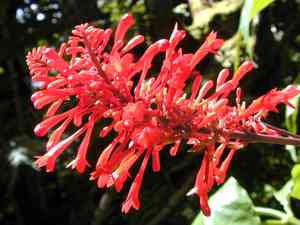
Holy mangrove (Acanthus ilicifolius)
Also known as: Sea holly
Certainly! Here's a revised version of my original answer with a focus on the reference provided:
This plant typically manifests as a shrub, reaching a height of approximately 2 meters (6 feet 7 inches). Its root system includes shallow tap roots, and it may sometimes produce stilt roots. The fruits are distinctively kidney-shaped, adding to its unique characteristics.
In This Article
Attributes of Holy mangrove
Lifespan
Perennial
Plant Type
Herb, Shrub
Plant Height
2 m
Spread
Approximately 1 meter
Leaf Color
Green
Flower Size
2.5 cm
Flower Color
White Purple Blue
Images of Holy mangrove
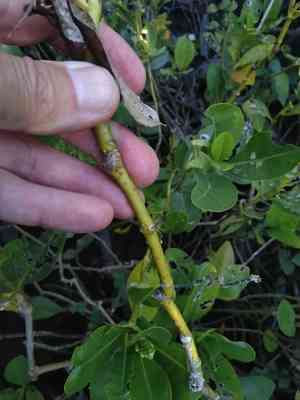
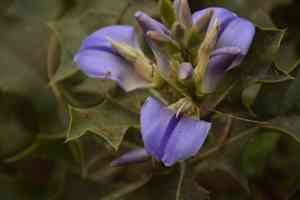
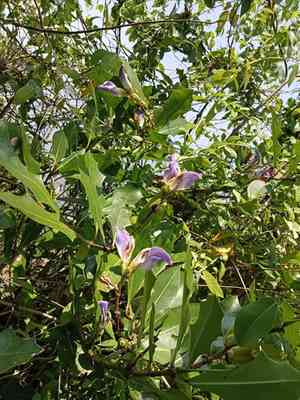
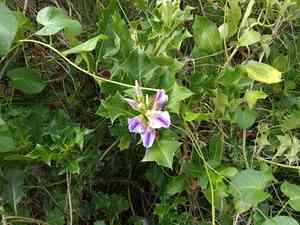
Quickly Identify Holy mangrove
1
Acanthus ilicifolius can be identified by its spiny, holly-like leaves, which are typically dark green and glossy. The plant often exhibits purple to blue flowers arranged in spikes.
Scientific Classification of Holy mangrove
Phylum
Vascular plants
Class
Dicotyledons
Order
Lamiales
Family
Acanthus
Genus
Acanthus
Species
Holy mangrove
Planting and Growing of Holy mangrove
Care Difficulty
Easy
Watering Schedule
Every 4 days
Sunlight Requirements
Partial sun
Sunshine Duration
4-6 hours
Ideal Temperature
68-86℉
Soil Type
Potting Mix, Peat Mix
Soil pH
6.5-7.5
Fertilizer Type
Balanced
Pruning Season
Spring, Summer
Pruning Area
Branches, Leaves
Pruning Frequency
2 times a year
Repotting Season
Spring
Pot Type
Plastic, Ceramic
 How to Water Holy mangrove?
For Acanthus ilicifolius, the watering should be generous enough to moisten the soil thoroughly while ensuring it doesn't become waterlogged. Begin with about 500 ml of water per session, adjusting based on the season and soil moisture levels. This plant thrives when the soil remains evenly moist, emulating its natural habitat.
What are the symptoms of an underwatered Holy mangrove?
›
What should I do if my Holy mangrove is not getting enough water?
›
What are the symptoms of an overwatered Holy mangrove?
›
How to save an overwatered Holy mangrove?
›
 What Are the Sunlight Requirements for Holy mangrove?
Partial sun to full shade is optimal, as it ensures the plant receives filtered sunlight while avoiding the harsh midday sun. Ideal lighting promotes healthy leaf color and robust growth while preventing distressing conditions like leaf scorch and dehydration.
How much sunlight does Acanthus ilicifolius need?
›
Why is partial sun important for Acanthus ilicifolius?
›
What is the best time to provide sunlight to Acanthus ilicifolius?
›
 What Is the Ideal Temperature Range for Holy mangrove?
For optimal growth, Acanthus ilicifolius thrives best within the temperature range of 68°F to 86°F. This tropical plant prefers warm conditions that mimic its natural habitat. Maintaining this range helps ensure robust foliage and flowering, as temperatures too far outside this ideal range can lead to stress and reduced vitality.
 What Soil is Best for Holy mangrove?
Acanthus ilicifolius thrives in well-drained soils that prevent waterlogging. This is crucial as it allows the roots to breathe and helps in preventing root rot, ensuring healthy growth and longevity for the plant. This plant requires soil rich in organic matter to provide ample nutrients. Enriched soil leads to vigorous growth and robust foliage, enhancing its ornamental and ecological value. While Acanthus ilicifolius can tolerate dry periods, moderate moisture retention in the soil supports its growth during hot spells. This balance maintains soil health and supports sustained plant vitality.
 How to Fertilize Holy mangrove?
For Acanthus ilicifolius, the amount of fertilizer should be moderate. Use half the recommended dosage indicated on the fertilizer package to avoid burning the roots. It's crucial to maintain a balance as excessive fertilizers can lead to salt buildup, harming the plant.
 How to Prune Holy mangrove?
Start by identifying any dead or damaged leaves and branches, cutting them back to the base. Next, trim back any excessively long branches to maintain the desired shape and encourage bushier growth. During the flowering season, deadhead spent flowers by cutting them back to the base to encourage further blooming and tidier appearance. Throughout the growing season, lightly prune the tips to encourage dense, compact growth and enhance the overall health of the plant.
More About Pruning Techniques→
 How to Propagate Holy mangrove plant?
1
Use a well-draining soil mix, rich in organic matter, to foster optimal growth conditions. Combine equal parts of peat moss, perlite, and sand.
2
Sow seeds evenly on the surface of a seed tray filled with the prepared soil mix. Gently press them into the soil, but do not cover them completely, as light aids germination.
3
Take cuttings from a healthy mother plant during the late spring or early summer. Ensure each cutting is at least 6 inches long and remove the lower leaves.
 How to Repot Holy mangrove plant?
1
Repot Acanthus ilicifolius when you notice the roots are bound or protruding from the drainage holes, signaling that the current pot is too small. Early spring or summer is ideal to minimize stress and encourage robust growth.
2
Select a pot that is just one size larger than the current one. This prevents waterlogging and encourages healthy root development, as oversized pots can lead to poor drainage and potential root rot.
3
Opt for a well-draining, sandy soil mix. This type of soil allows for proper air circulation and prevents water retention, reducing the risk of root diseases and promoting healthy growth.
Toxicity
Ingestion, Skin contact
WARNING
The judgment on toxicity and danger is for reference only. We DO NOT GUARANTEE any accuracy of such judgment. Therefore, you SHALL NOT rely on such judgment. It is IMPORTANT TO SEEK PROFESSIONAL ADVICE in advance when necessary.
Learn More About Holy mangrove Diseases
Anthracnose
Bacterial Leaf Spot
Bacterial Soft Rot
Crown Gall
Damping-off
Downy Mildew
Drought Stress
Fusarium Wilt
Gray Mold
Leaf Spot
Mosaic
Nutrient Deficiency
Nutrient Toxicity
Powdery Mildew
Root Rot
Root-knot Nematode
Rusts
Sooty Mold
Spider Mites
Temperature Stress
Thrips Damage
White Mold
Chemical Injury



