How to Prune Holy mangrove?
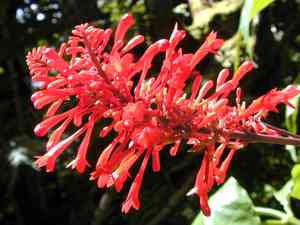
A thorny, perennial shrub featuring lustrous foliage, holy mangrove flourishes within mangrove habitats. Trimming should be performed in Spring, Summer, or Autumn to foster denser development and eliminate faded flower stalks. Essential methods involve reducing congested limbs and shortening elongated stems. Effective pruning sustains the plant's vigor and visual appeal. Make incisions directly above leaf junctions to stimulate fresh development. Consistent pruning additionally deters excessive self-propagation and potential aggressive spread.
Advantages of Trimming Holy Mangrove
Advantages of Trimming Holy Mangrove
Trimming holy mangrove stimulates robust new development and assists in preserving its desired shape. Consistent cutting can prevent excessive growth, ensuring the plant stays healthy and visually appealing.
Optimal Time for Trimming Holy Mangrove
Optimal Time for Trimming Holy Mangrove
Trimming holy mangrove in Spring coincides with the start of new growth post-dormancy, maximizing the plant's recovery and lush development. Summer pruning is beneficial for reshaping or size management as holy mangrove is actively growing, allowing quick wound healing and minimizing stress. Early Fall pruning helps remove any damaged or diseased foliage before the plant prepares for winter, but it's crucial to stop trimming in late Fall to prevent new growth that could be harmed by colder temperatures.
Tools Required for Trimming Holy Mangrove
Hand Pruners
Suitable for cutting holy mangrove's smaller, softer stems and branches. Hand pruners, also known as secateurs, provide precise cuts that help prevent damage to the plant tissues.
Lopping Shears
Appropriate for trimming thicker branches that hand pruners cannot manage. Holy mangrove might have sturdier branches that necessitate the extra leverage offered by lopping shears' long handles.
Pruning Saw
Essential for holy mangrove when dealing with the largest, toughest branches. A pruning saw creates clean cuts on branches too thick for lopping shears.
Gardening Gloves
Crucial for protecting hands from holy mangrove's spiny foliage during pruning.
How to Trim Holy Mangrove
Clean tools
Sanitize pruning tools with alcohol or bleach solution to prevent disease transmission.
Diseased leaves
Carefully remove holy mangrove's diseased leaves close to the stem, avoiding healthy tissue.
Withered leaves
Remove holy mangrove's withered leaves, cutting at the base of the leaf stalk to encourage new growth.
Dead branches
Cut holy mangrove's dead branches at their point of origin or back to a strong lateral branch without harming the collar.
Diseased branches
Trim holy mangrove's diseased branches well below the affected area, making clean cuts to promote rapid healing.
Common Trimming Errors with Holy Mangrove
Overpruning
Removing too much foliage from holy mangrove at once can stress the plant and may lead to reduced vigor or even plant mortality. It's essential to be conservative, usually pruning no more than one-third of the growth.
Improper cut location
Cutting at the wrong location can cause damage to holy mangrove. Ensure cuts are made just above leaf nodes or forked branches to promote healthy new growth.
Using dull tools
Dull pruning tools can damage holy mangrove's stems, leading to unhealthy, ragged cuts that can become an entry point for pests and diseases.
Pruning without sanitation
Not sanitizing tools before pruning holy mangrove can spread disease between plants. Always disinfect pruning tools before and after use.
Neglecting pruned material
Leaving pruned branches and leaves around holy mangrove can harbor pests and diseases. It's important to dispose of pruning debris properly.
General Trimming Advice for Holy Mangrove
Sharp clean tools
Use sharp, clean pruning shears or loppers for clean cuts, which will heal more quickly and minimize the risk of disease for holy mangrove.
Selective pruning
Employ selective pruning on holy mangrove, targeting dead, diseased, or damaged branches and any growth that crosses or rubs against other branches to maintain plant health and shape.
Incremental pruning
Prune holy mangrove incrementally throughout the growing season, rather than all at once, to better control its shape and size.
Cut angle
When pruning holy mangrove, angle cuts away from the bud to prevent water accumulation and reduce the risk of disease.
Prune for aeration
Thin out dense areas of holy mangrove to improve air circulation and light penetration, which can reduce the risk of fungal infections and encourage more vigorous growth.



