How to Transplant Hispid starburr?
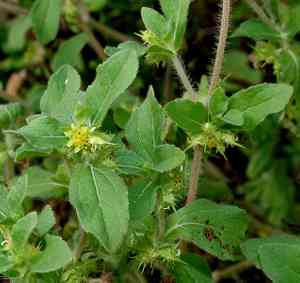
For hispid starburr, the ideal period for transplanting is from the refreshing start of late spring to the gentle beginning of early summer. Selecting a sunny location with adequately draining earth encourages vigorous development. A helpful tip: dampen the substrate to facilitate the move.
What Preparations are Needed Before Transplanting Hispid Starburr?
What is the Ideal Time for Transplanting Hispid Starburr?
The optimal period to move your hispid starburr is from the onset of late spring through the early part of summer. This timeframe guarantees your hispid starburr benefits from the perfect mix of moderate temperatures and gentle sunlight, minimizing transplant stress and fostering robust root development. The extended daylight hours ahead promise ample growth, ensuring hispid starburr thrives in its new spot. Your plants will appreciate the chance to spread their roots without the harsh midsummer sun!
How Much Space Should You Leave Between Hispid Starburr Plants?
When relocating hispid starburr, aim for a separation of roughly 12-18 inches (30-46 cm) between plants. This provides each specimen sufficient room to thrive without crowding, promoting good air circulation and development.
What is the Best Soil Mix for Hispid Starburr Transplanting?
For hispid starburr, prepare the ground by selecting a well-draining soil type enhanced with organic material. Apply a balanced, slow-release fertilizer to give your plants a strong start. Establishing the correct soil base will ensure vigorous growth!
Where Should You Relocate Your Hispid Starburr?
Locate a sunny position for your hispid starburr, as they flourish with abundant light. Target an area that receives at least 6 to 8 hours of direct sunlight daily. Adequate sun exposure is crucial for a healthy and productive plant!
What Equipments Should You Prepare Before Transplantation Hispid Starburr?
Gardening Gloves
To safeguard your hands while handling soil and plants.
Shovel or Spade
For excavating the hispid starburr plant and creating a new hole in the ground.
Trowel
For more precise digging tasks, especially useful when moving a smaller plant.
Watering Can or Hose
To hydrate the hispid starburr plant both before and after its relocation.
Measuring Tape
To ensure appropriate spacing between transplanted specimens.
Wheelbarrow or Garden Cart
To transport the hispid starburr plant, along with soil and tools.
Pruning Shears
To trim any damaged roots or foliage prior to transplanting.
Garden Fork
To loosen the soil around the plant's root ball when extracting it from its original spot.
How Do You Remove Hispid Starburr from the Soil?
How Do You Remove Hispid Starburr from the Soil?
From Ground: First, moisten the hispid starburr plant to dampen the soil. Then, dig a wide trench around the plant using a shovel or spade, ensuring to encompass enough area to prevent damage to the root ball. Carefully insert the spade at an angle beneath the root ball to gently lift the plant from the ground.From Pot: Thoroughly water the hispid starburr plant to facilitate the root ball's removal from the pot. Turn the pot sideways, hold the plant at its base, and gently tap or squeeze the pot until the hispid starburr plant slides out, preserving the root ball's integrity.From Seedling Tray: Dampen the soil in the seedling tray to prevent root damage. Use a trowel or your fingers to carefully lift the hispid starburr plant while supporting the root ball. Be sure to handle the seedling with care to avoid stressing the young plant.
Step-by-Step Guide for Transplanting Hispid Starburr
Preparation
Choose a cloudy day or late afternoon to minimize stress on the hispid starburr plant. Water the hispid starburr thoroughly beforehand to ensure the soil adheres to the roots.
Digging Hole
Excavate a hole in the new location with a spade or shovel, making it twice as wide and equally deep as the hispid starburr plantâs root ball.
Root Pruning
If necessary, use pruning shears to trim any dead or excessively long roots to encourage new growth after transplanting.
Placing the Plant
Gently position the hispid starburr plant in the hole. The top of the root ball should be level with the surrounding ground surface.
Backfilling
Gradually refill the hole with soil, gently firming it down without compacting too tightly, to ensure the hispid starburr is securely in place.
Watering
Water the hispid starburr thoroughly to settle the soil around the roots and eliminate any air pockets.
Stabilizing
Stake the hispid starburr plant if needed, using supports to hold it upright until the root system is strong enough to sustain itself.
How Do You Care For Hispid Starburr After Transplanting?
Mulching
Apply a layer of mulch around the hispid starburr plant to help retain moisture, regulate soil temperature, and suppress weeds without touching the plant's stem.
Regular Watering
Maintain consistent watering to help the hispid starburr plant establish. Check the soil moisture regularly, and water when the top inch feels dry.
Observation
Monitor the hispid starburr for signs of transplant shock, such as wilting or leaf discoloration. Prompt intervention can help the plant recover more rapidly.
Feeding
Avoid fertilization immediately after transplanting to allow the hispid starburr to settle. After a few weeks, a balanced, slow-release fertilizer can be applied if growth appears sluggish.
Troubleshooting Common Issues with Hispid Starburr Transplantation.
What's the ideal time to transplant hispid starburr?
The best time to transplant hispid starburr is from the pleasant warmth of late spring until the early onset of summer.
Why is my hispid starburr wilting after transplanting?
Post-transplant wilting may indicate shock. Ensure careful handling, sufficient water, and initially avoid intense sunlight.
What's the key to correctly spacing hispid starburr?
For healthy development, position your hispid starburr approximately 12-18 inches (30-45 cm) apart, allowing ample room to thrive.
How deep should I plant hispid starburr seedlings?
The root ball should be flush with the soil surface. Planting too deep or shallow can stress hispid starburr.
Can I transplant hispid starburr in full sun?
Yes, but gradually acclimate hispid starburr to full sun after transplanting to prevent shock and leaf burn.
How much should I water hispid starburr after transplanting?
Water thoroughly until the soil is moist but not waterlogged, encouraging robust root establishment.
What soil type is best for transplanting hispid starburr?
Utilize well-draining soil enriched with organic matter to provide hispid starburr with a nutrient-rich foundation.
Should I fertilize hispid starburr immediately after transplanting?
Wait 4-6 weeks before fertilizing to allow hispid starburr to settle in and prevent root burn.
How can I protect transplanted hispid starburr from pests?
Regularly inspect and maintain proper plant hygiene to deter pests without excessive chemical use.
My hispid starburr looks stunted after transplanting, why?
Stunted growth may be due to root damage or shock. Allow it time and provide consistent care for recovery.



